Navigation
Navigation
Navigation

Evidence-informed writing on nutrition, eating behavior,
psychological health, and wellbeing.

We have all experienced situations where we really, really want to eat something we shouldn’t. This experience is probably best known to individuals trying to lose weight by simply eating less. This struggle with the desire to eat might be completely invisible to outside observers. It only happens in our minds. But does that psychological struggle to avoid eating require extra energy? Most importantly, is this energy expenditure greater when the struggle is harder? A group of researchers conducted a study back in 2020 to find out.
Listen to this Article

When we notice something really harmful, threatening, or challenging is happening, we experience a series of emotional states that prepare us to deal with that event. We may experience fear or anxiety, but we can also experience rage. If the developments threaten someone we love, our mind will remind us of that love and the need to act to protect that person. In such situations, our bodies will experience stress. The reactions will not be solely psychological, but a series of strong physiological changes will also occur.
Listen to this Article

The body needs a wide variety of nutrients to stay healthy. Some are needed in large quantities, and they are called macronutrients, while others are needed in smaller quantities (micronutrients). Still, all of these nutrients are needed for our body to remain healthy. To obtain all the nutrients found in different food items, people establish patterns of eating and drinking we refer to as “diets” (or, in nutritional psychology, “dietary intake patterns”).
Listen to this Article

Living beings need to eat to stay alive. Multiple times daily, processes in our body tell our brain that we need to eat. We feel hunger, prompting us to look for food and eat it. After we have eaten, we feel satiated. This cycle continues as long as we live. But how does this function on the neural and biochemical level?
Listen to this Article
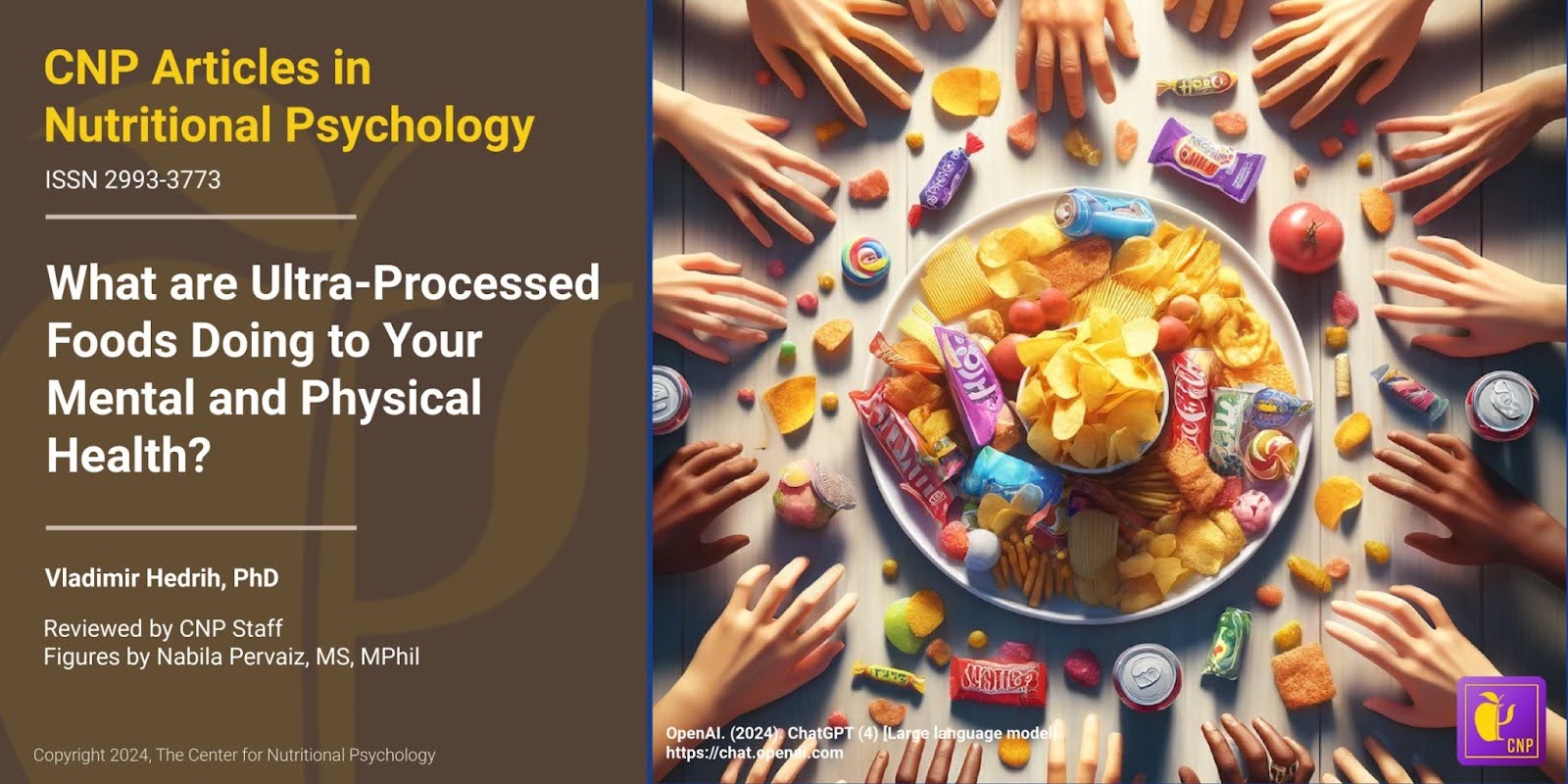
Scientists have long been reporting that individuals consuming high amounts of certain foods or taking certain substances tend to often suffer from specific diseases or disorders (Huang et al., 2023; Samuthpongtorn et al., 2023; Tilg, 2015; Wang et al., 2023). However, these findings often fall short of establishing a cause-and-effect link between the consumption of specific food and health outcomes. This happens because the effects of foods become visible only after prolonged periods of consumption. Experimental studies that identify cause-and-effect relationships can often not be conducted for long periods. Additionally, since many of these adverse health effects are very serious, it would not be ethical to conduct an experiment that is expected to inflict such conditions on study participants.
Listen to this Article
When we suddenly find ourselves in a dangerous situation, our body activates a series of changes that prepare us to fight the source of the danger or flee from it. It will release stress hormones into our bloodstream; the heart will start beating faster, breathing will quicken, and sweating will increase. We will forget about being hungry, sleepy, or tired. This is called the acute stress response. However, the acute stress response is only temporary. As soon as the danger is over, the source of stress no longer threatens us; all the processes will return to normal. But what happens if the danger does not end if the cause of stress continues to threaten our well-being?
Listen to this Article
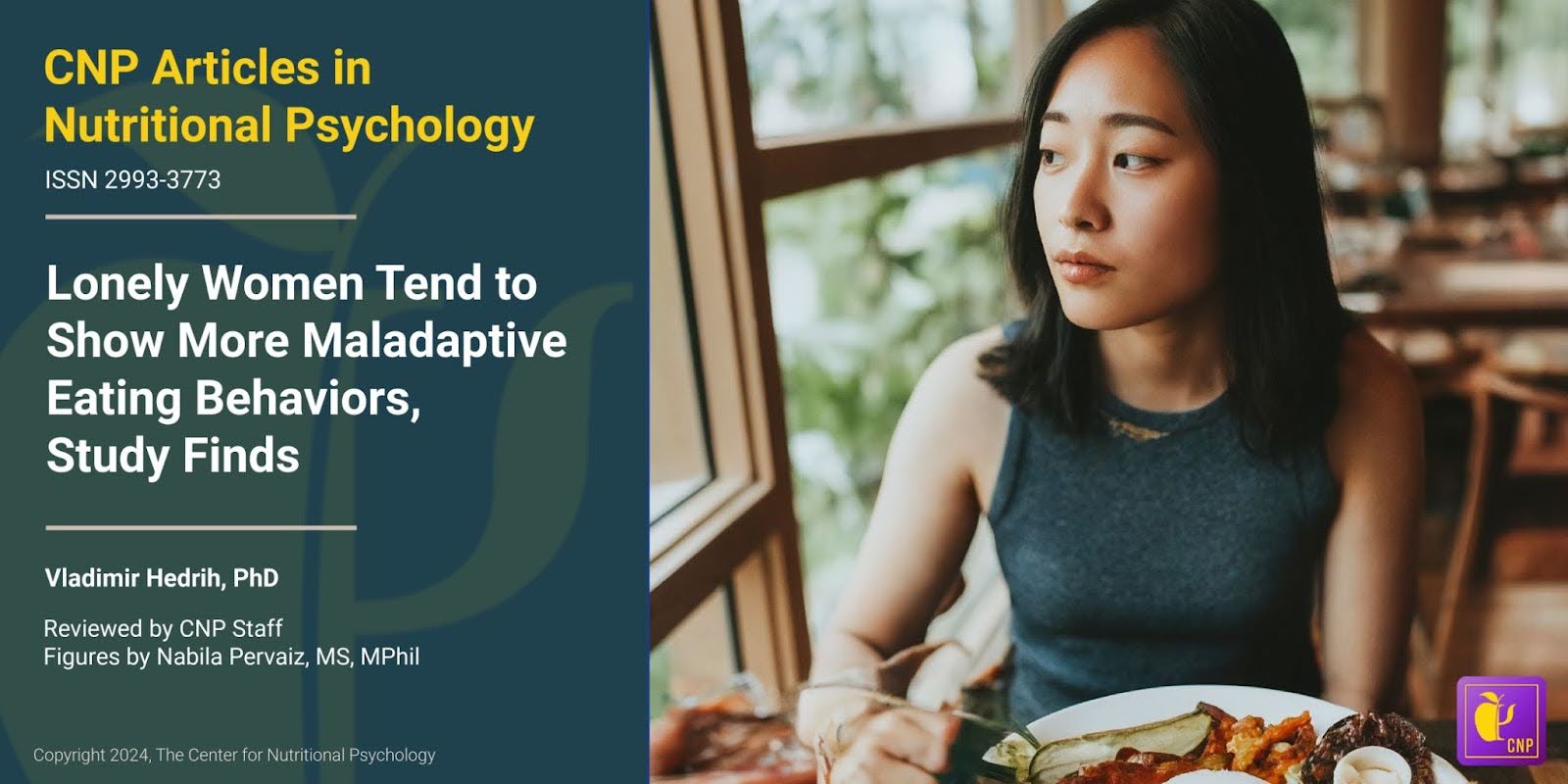
Humans are social creatures. Because of this, relationships with other people play a central role in every individual’s life. They provide a sense of belonging, meaning, intimate connections, and emotional support we all need. Babies and children need interactions with other humans to survive. Without contact with others and its benefits, many basic cognitive capacities will not develop at all. Even in newborns, deprivation of human contact is a strong source of distress. Because of all this, social relationships are crucial to everyone’s mental and physical health and well-being (Christensson et al., 1995; Singer, 2018).
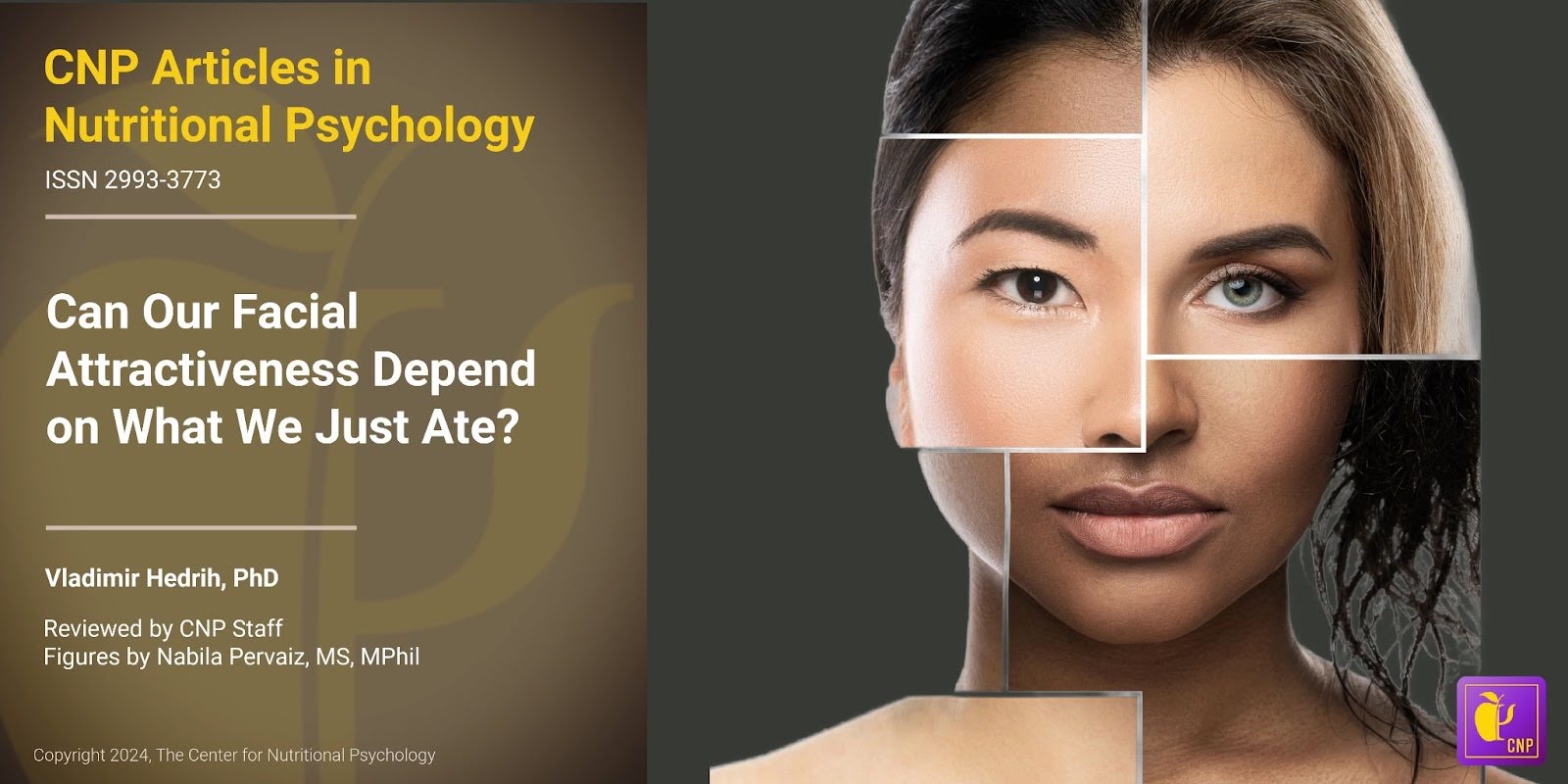
We all know that our attractiveness can change depending on the circumstances. For example, when we’re tired or after sleepless nights, we might not appear as attractive as when fresh and well-rested. This difference will primarily reflect on our face, one of the most important parts of the human body for evaluating attractiveness.
Listen to this Article
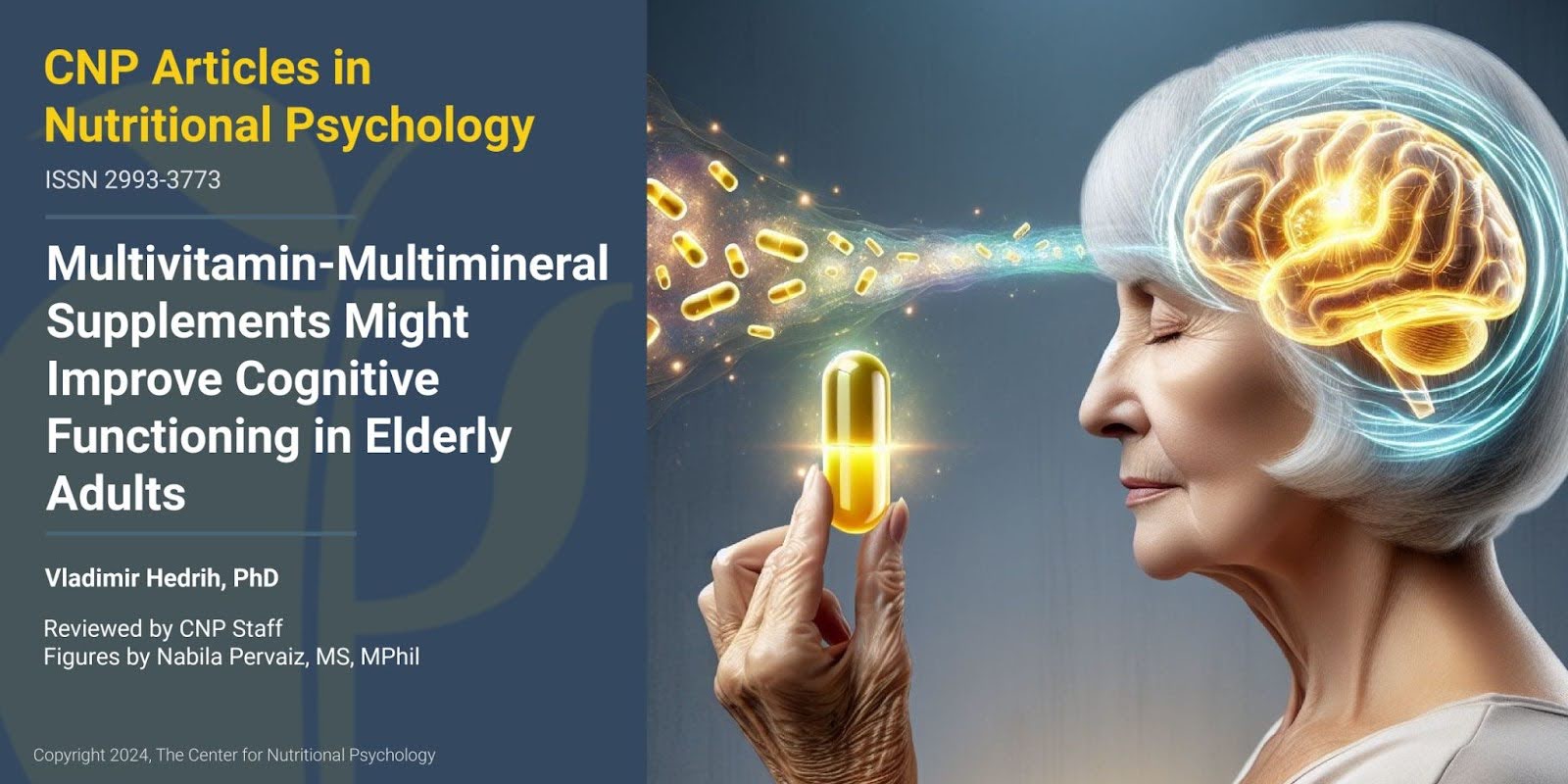
We are all aware that people of advanced age can often be forgetful, and their memory is no longer what it used to be. Tasks requiring speed and quick reactions are more difficult. Is there a way to prevent this?
Listen to this Article
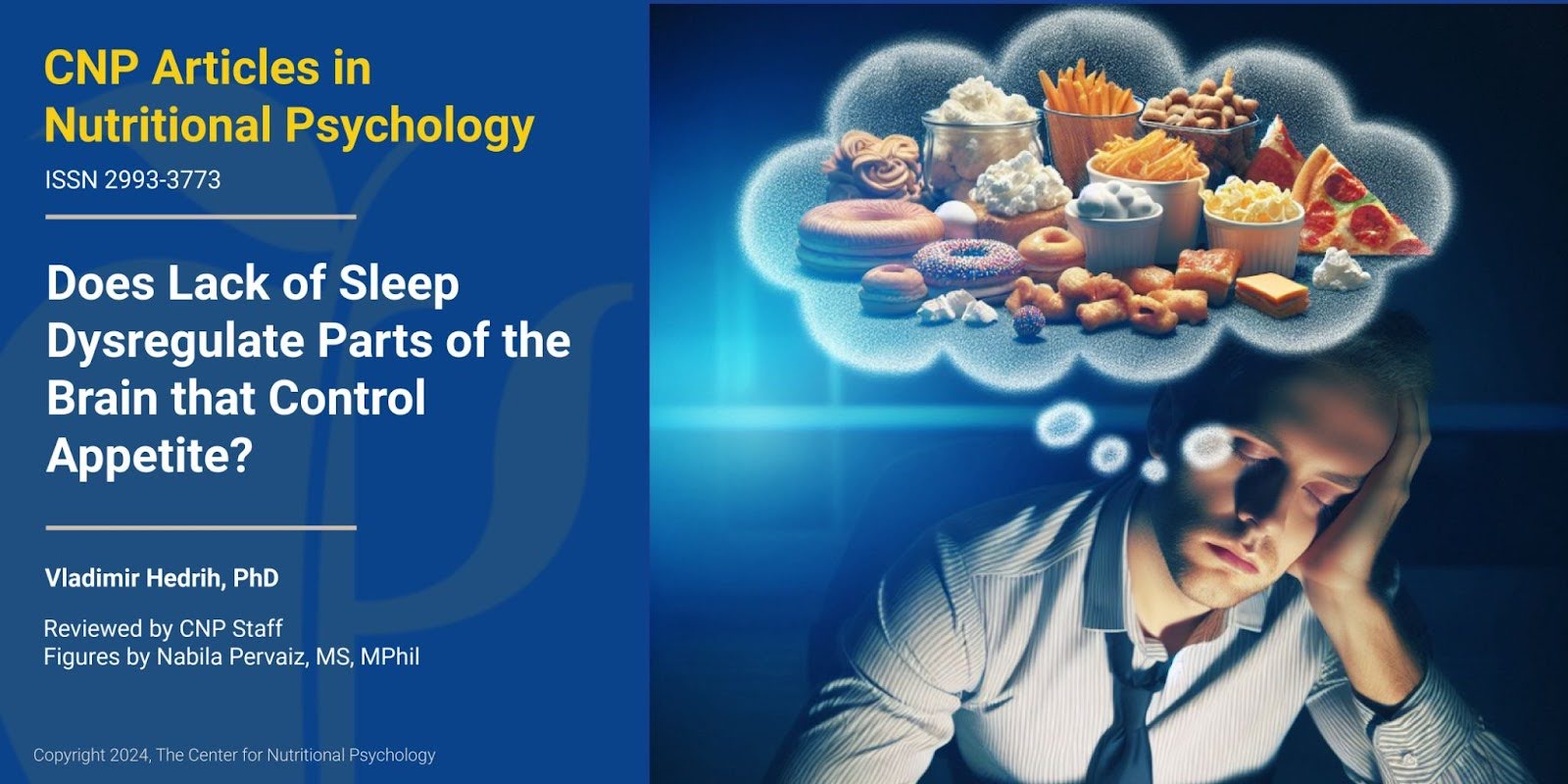
When lacking sleep, some drink coffee, some try to increase their physical activity to stay awake, and some visit the fridge. Most people have experienced this situation when they couldn’t get enough sleep, accompanied by a desire to eat more food than usual. But does lack of sleep really increase our appetite?
Listen to this Article