Navigation
Navigation
Navigation

Evidence-informed writing on nutrition, eating behavior,
psychological health, and wellbeing.
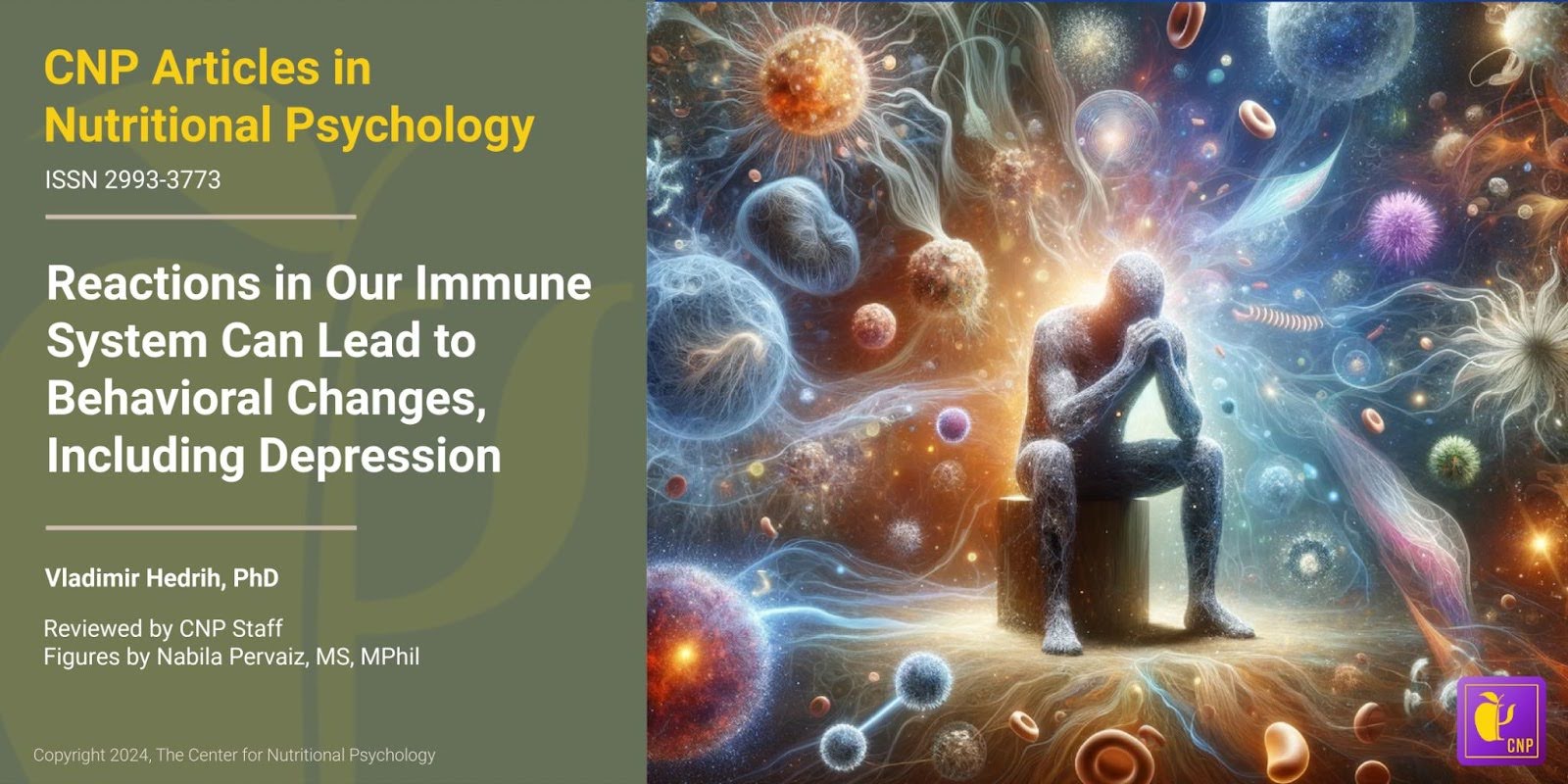
Scientists have studied mental health problems for centuries. However, for most of this time, their focus has solely been on psychological symptoms because the scientific know-how needed to understand the complex biochemical mechanisms underpinning psychology was simply not there until now. Recent advances in biomedical technology allowed modern researchers to start mapping the biochemical mechanisms behind these disorders. One major topic of this type of research is stress-related disorders, such as major depressive disorder.
Listen to this Article
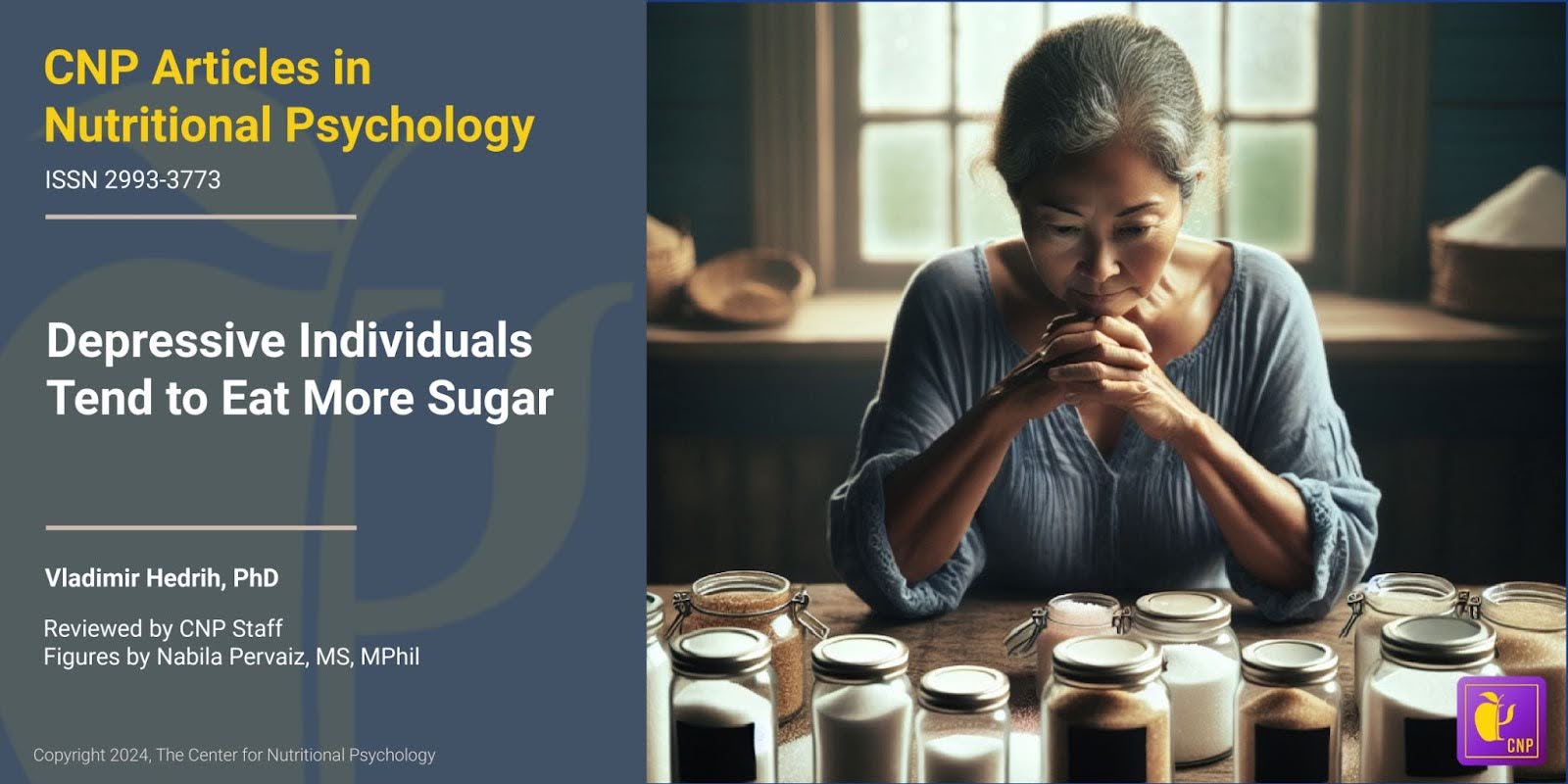
Most people know that there is a link between appetite and mood. When stressed, some of us tend to eat more (Dakanalis et al., 2023). A similar thing happens when we do not have enough sleep (Greer et al., 2013). On the other hand, when we are hungry, we tend to become angry and irritable. That is how the term “hangry” came to be (Hedrih, 2023a; Swami et al., 2022). But is there a link between moods or mental health in general and specific foods? For example, do the dietary choices of individuals suffering from depression differ from the dietary choices of individuals who aren’t suffering from depression?
Listen to this Article

Have you ever wondered what makes us like and want to eat certain foods while disliking others? Most people will say that they like tasty food when asked this question. But what makes some foods tastier than others? Many scientific studies explored this question.
Listen to this Article
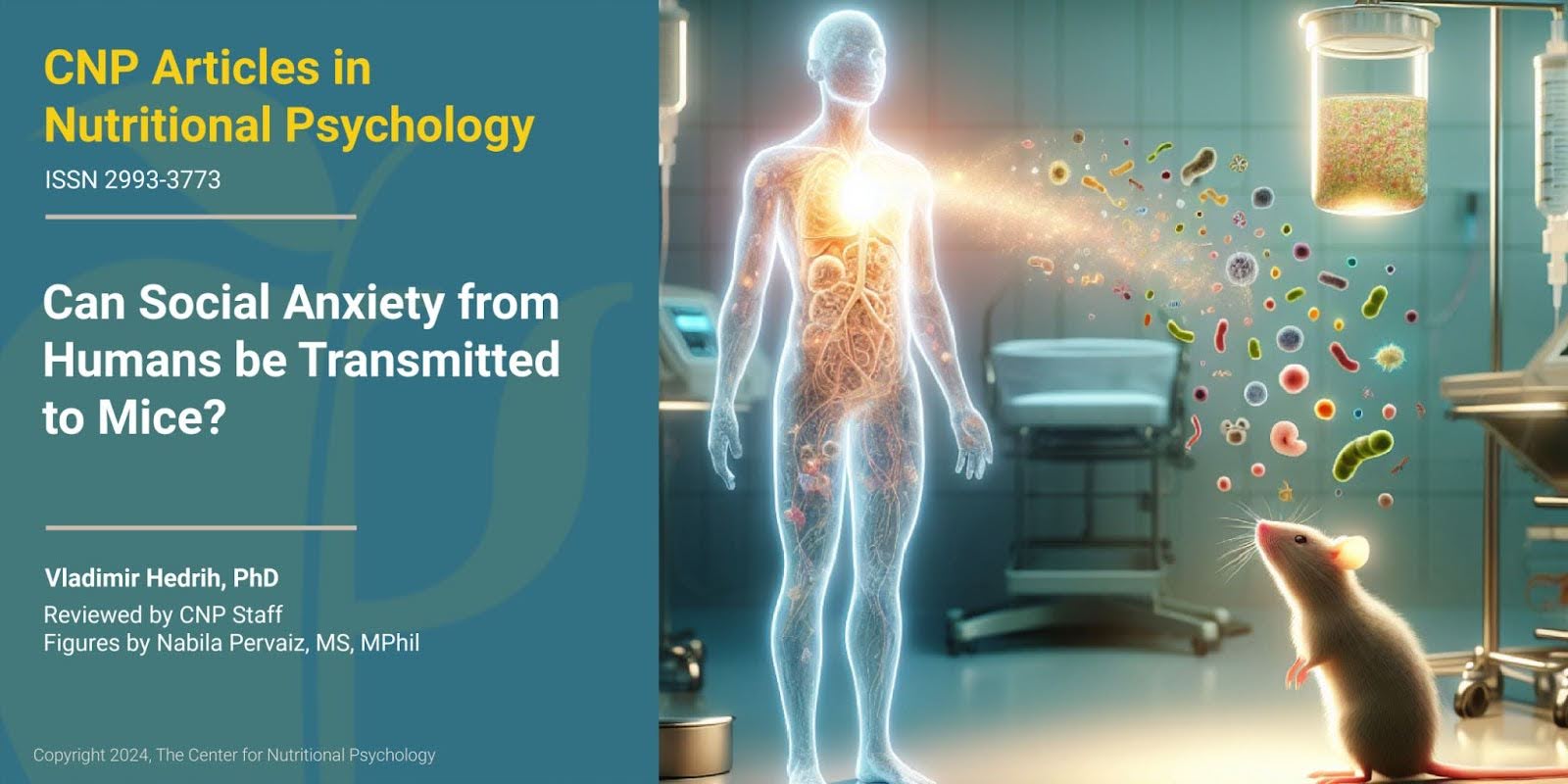
A study published in PNAS: Neuroscience explored whether social anxiety can be transmitted from humans to mice via gut microbiota Mice receiving gut microbiota from human participants with social anxiety disorder became more sensitive to social fear While the nonsocial...
Listen to this Article
People need food to survive. Severe malnutrition causes the body to break down its own tissues to meet energy needs. The body first utilizes the stored fat, but if starvation continues, it eventually starts using muscle mass as to fulfill its nutritional needs. Prolonged starvation impairs vital functions, and leads to organ failure, weakened immune response, and severe hormonal imbalances (Sidiropoulos, 2007). Cognitive functions also deteriorate. But what happens when people restrict their food intake only for limited periods?
Listen to this Article
The consolidation of research in the diet-mental health relationship within nutritional psychology has shown that our food choices and patterns can influence our moods and state of mind, and our moods and state of mind can influence our food choices and patterns. People tend to eat when stressed or bored (Dicker-Oren et al., 2022; Stevenson et al., 2023). They can also feel angry when hungry (called hanger), in which one experiences anger due to hunger (Hedrih, 2023a).
Listen to this Article
When we want to find out what a piece of food is like, we can taste or smell it. When we smell something, sensory cells located in a small patch of tissue (olfactory epithelium) at the top of our nasal cavity react to the odorant molecules coming from that piece of food, and the olfactory nerve to carries the information to our brain, allowing us to experience smell. Similarly, when we taste a piece of food, taste buds in our mouth react to it, and specific nerves carry the information to our brain. While we eat, this evaluation of the qualities of food using our sensory organs happens continuously. However, not all of our food sensations come from our external senses. Our body also has sensory cells in the gut that inform the brain about what we eat.
Listen to this Article
Our minds don’t function as well when we continually get less sleep than we need. After a prolonged period of time with less sleep, concentrating becomes progressively more difficult, our reactions become slower, and our minds can often wander off. We may even fall asleep unintentionally. Our mind starts “drifting. “ Sometimes, consuming substances like coffee, similar caffeinated beverages, or even medications like modafinil (Wingelaar-Jagt et al., 2023) can help us remain vigilant for some additional time. However, we must eventually have a sufficiently long sleep period to recuperate and remain healthy.
Listen to this Article
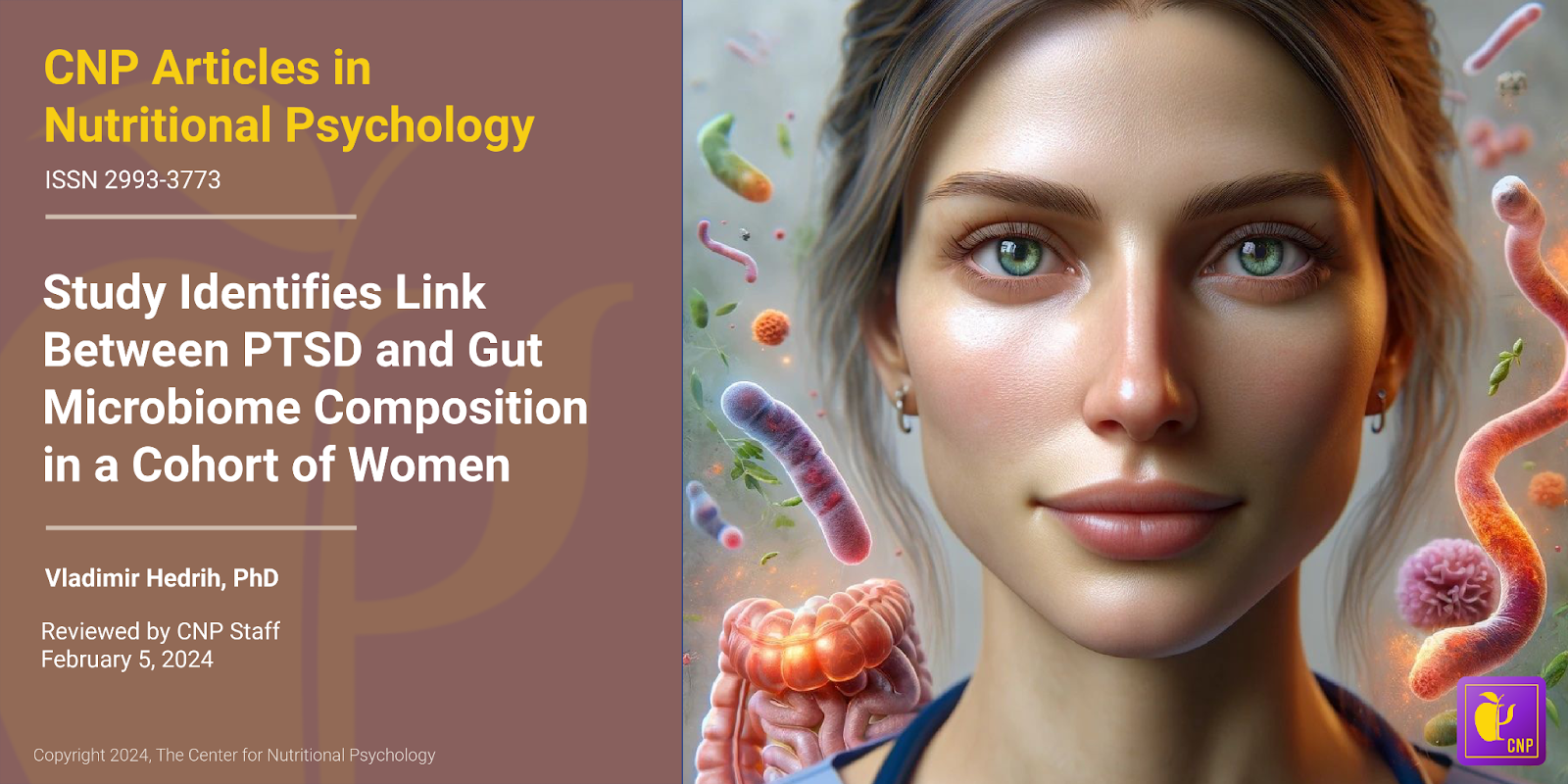
When we are exposed to distressing events or conditions that overwhelm our ability to cope, our body can produce a severe emotional response, and we experience psychological trauma. We feel that we have lost control of events around us. Our ability to integrate these emotional experiences into the story of our lives is reduced. After experiencing psychological trauma, people often start dividing the subjective timeline of their lives into the time before and the time after the traumatic event. Long-lasting psychological and health consequences may often follow (Hamburger et al., 2021). Among other things, the experience of psychological trauma can lead to the development of a serious mental health disorder called post-traumatic stress disorder or PTSD.
Listen to this Article
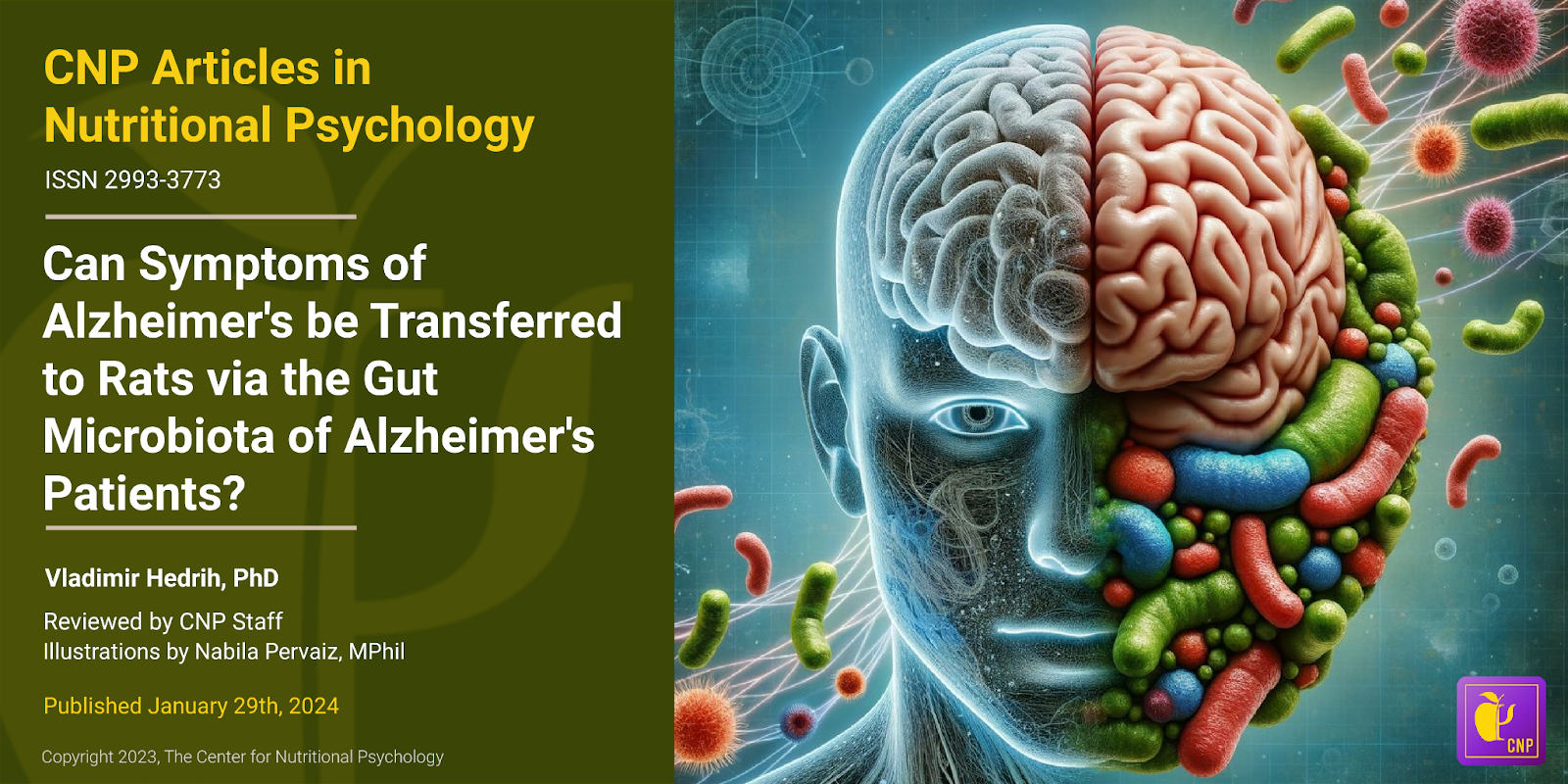
Our gut is home to trillions of different microorganisms. These microorganisms sustain themselves using the food we eat and help our digestion process. For example, many food items contain substances called resistant starches. Our digestive system cannot digest these resistant starches, but some bacteria in our gut can. They ferment those types of starches, creating substances called short-chain fatty acids (SCFA) that our bodies can use.