Navigation
Navigation
Navigation

Evidence-informed writing on nutrition, eating behavior,
psychological health, and wellbeing.

When we want to track whether our body has accumulated (unwanted) body fat, we usually assess this by weighing ourselves. This is adequate because, after we stop growing, changes in our body mass will most likely be due to changes in our body composition (e.g., accumulating or losing body fat). However, when we need to compare different persons, their differences in height come into play. People with very different weights can have similar body compositions if they are of different height. To solve this issue, scientists use the body mass index.

A study on a group of Australian students and their caregivers examined whether hunger cues our body uses to create the subjective feeling of hunger, might be something that is learned in childhood. Results showed a substantial association between how...
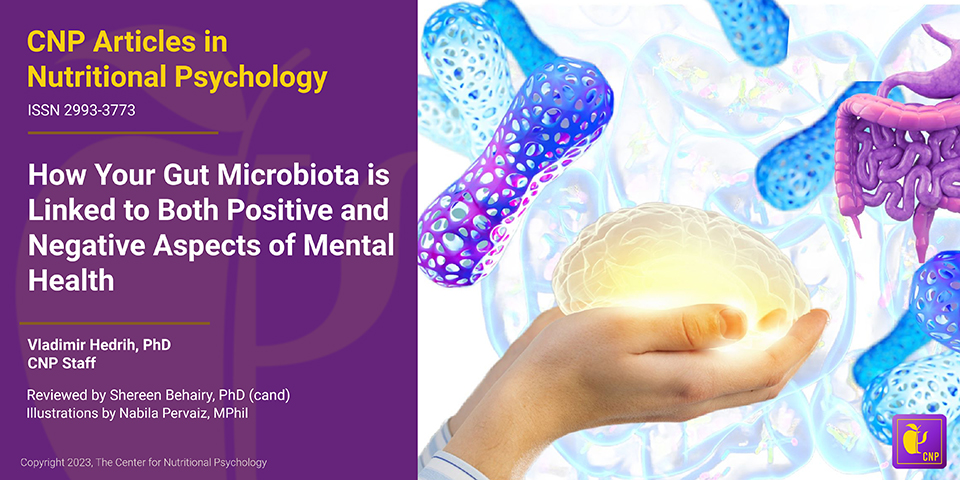
Microbiota composition is linked to both positive and negative aspects of mental health A large-scale study in Belgium and the Netherlands found links between the abundance of certain groups of gut bacteria species and mental health outcomes. Faecalibacterium and...

Study Overview A study in Israel followed changes in hunger craving , restrained eating, hunger, and negative emotions within a representative sample of the population over a span of 10 days. The findings revealed that restrained eating is the central...

Introduction The past several decades have seen the rise of an obesity pandemic that is ongoing worldwide. While obese individuals were quite rare just a century ago, 2015-2018 estimates for the U.S. state that more than two-thirds of the adult...

A recent study conducted in Austria used the method of experience sampling to examine the links between hunger and mood called "hangry". Researchers asked participants to report their hunger and mood five times per day. Results showed that participants reported...

Editor’s Note: The study of nutritional psychology (NP) involves exploring the influence of diet on psychological, cognitive, behavioral, perceptual, interoceptive, and psychosocial functioning and mental health. It also includes the reverse —which is exploring how our psychological, behavioral, and psychosocial...

Within nutritional psychology, we explore the dietary and nutritional elements influencing the diet-mental health relationship. This involves identifying the processes and mechanisms through which our diet and dietary intake patterns influence our brain, behavior, and experience. Sugar consumption is a...
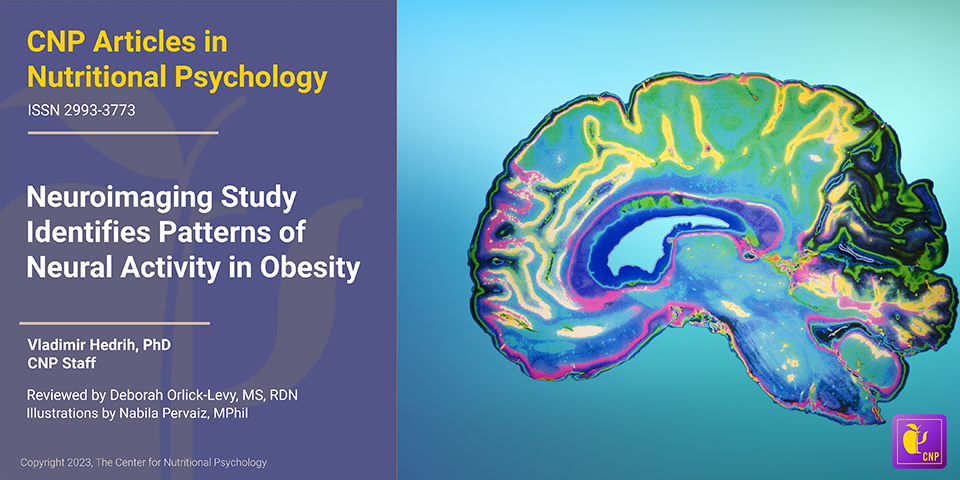
A neuroimaging study identified neural activity patterns specific to obese persons. These patterns allowed researchers to differentiate between obese and non-obese individuals based on the characteristics of their brain activity and psychological test scores with 77% accuracy. It was also...

Stress is inevitable, but it can disturb our body’s physiological signaling mechanisms when it becomes chronic. These mechanisms are interlinked with the Microbiota Gut-brain axis (MGBA) and influence the diet-mental health relationship (DMHR) in many ways. Being a major immune...