Navigation
Navigation
Navigation

Evidence-informed writing on nutrition, eating behavior,
psychological health, and wellbeing.
In terms of the global dietary landscape, the Western diet provides a rich diversity and abundance of highly processed foods and beverages that are easy to consume. Although highly palatable, this availability also provides us with a steady stream of...
With growing recognition of the link between mental health and sleep, many of us want to know if making lifestyle changes, including what we eat, can impact our sleep habits and potentially improve our overall psychological well-being. Recent research by...
We’ve all heard the saying “you are what you eat,” but new microbiome research is shedding light on this old adage, with a more modern-day update being “you are what your gut-microbiome wants you to eat.” Let’s look at why...
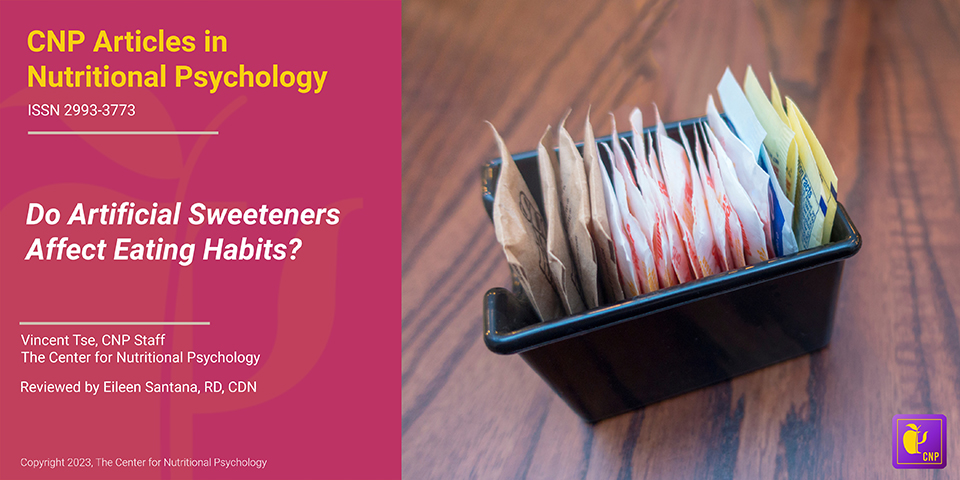
Artificial sweeteners—sugar substitutes that satisfy our cravings for sugar but contain low calories—have become a popular alternative to reduce the risks associated with high-sugar consumption and means of bodyweight management. Yet, the long-term effects of these nonnutritive sweeteners (NNS) have...
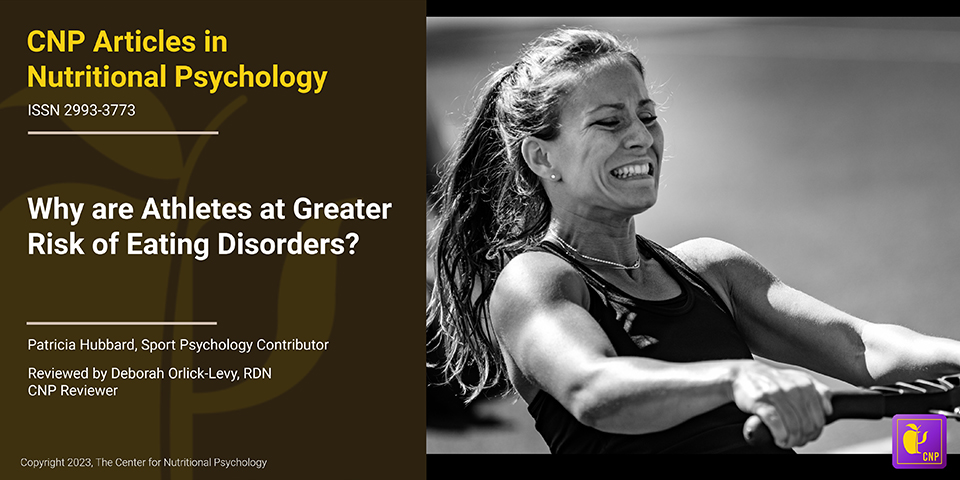
Athletes are under immense pressure. Athletes feel the pressure to perform their best to win, attain coveted scholarships, be selected in a draft, and even to look a certain way (i.e. achieve perfection). As we’ve seen within the sporting culture,...
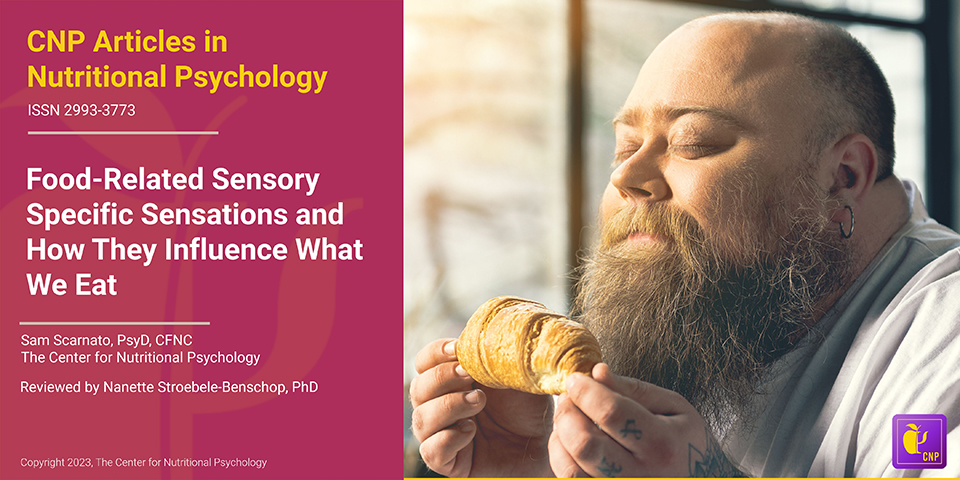
Researchers continue to pursue a better understanding of how our food choices and eating behaviors are influenced by the subjective sensations we experience in relation to foods. In their 2020 study, Duerland and colleagues explored the relationship between subjective sensations...

Adolescents seem to be vulnerable to feeling dissatisfied with their weight and body shape (Clay et al., 2005). Their perception of their body image (i.e., their Diet-Perceptual Relationship) may be shaped by the opinions of their family and friends; what...
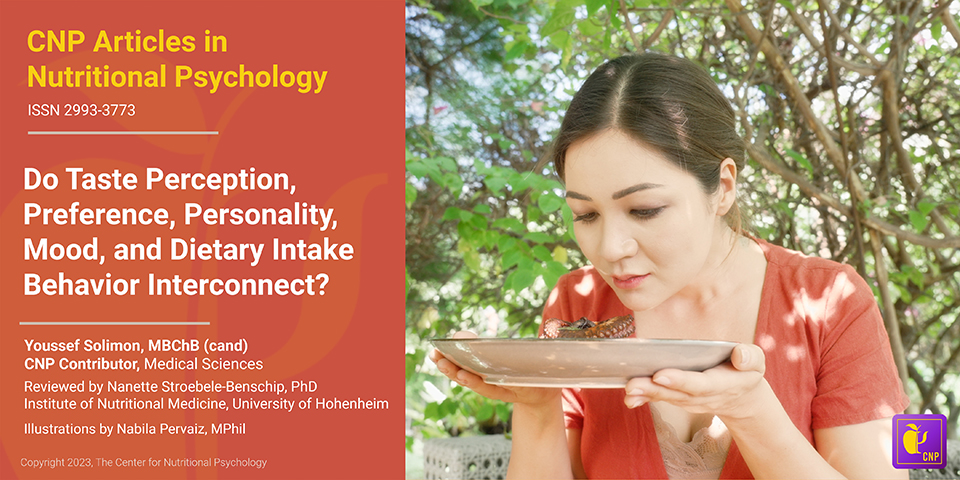
For hundreds of years, scientists have suspected a connection between our personality traits and taste preferences. Anton Brillat-Savarin, the famous French gastronome, is quoted saying, “Tell me what you eat, and I will tell you who you are.” Tell...

Due to the aging world population, the number of people with cognitive impairment will have doubled by the year 2035. In addition, the number of individuals with cardiovascular disease (CVD) and Type-2 Diabetes Mellitus (T2DM) will increase substantially. Common denominators...
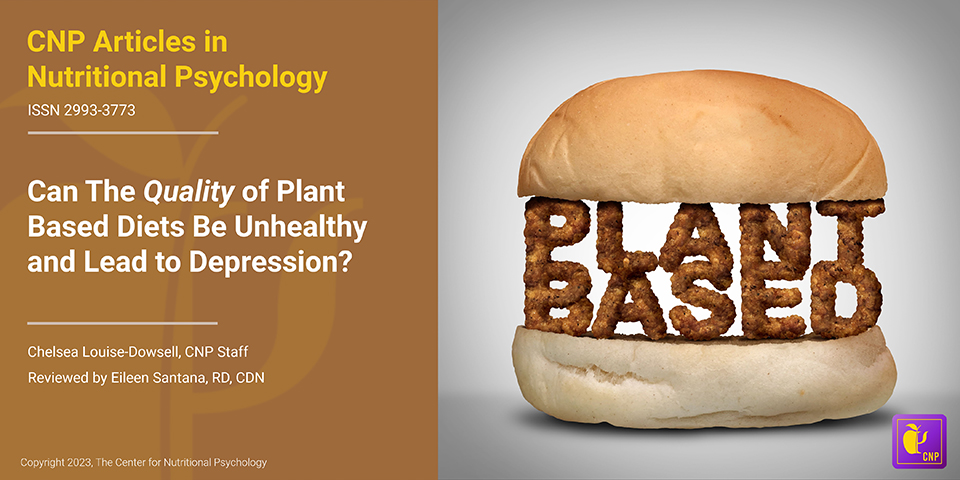
This CNP Article on Plant based diet is based on the findings from a recent study conducted by Lee, Eather, & Best, (2021). The consumption of plant based diet and the rate of depression have both risen within the last...