Navigation
Navigation
Navigation

Evidence-informed writing on nutrition, eating behavior,
psychological health, and wellbeing.

Literacy among mental health professionals : Evidence supports the use of nutritional interventions for certain psychiatric symptoms, yet few studies have evaluated nutritional literacy among mental health professionals (MHPs). One such study is the online survey published by Mörkl et...

Food insecurity affects over 13 million households in the U.S. alone. Food insecurity means having minimal or no access to nutritious and safe foods. While this affects every age bracket of the population ranging from infants to elderly, a recent...

Food Advertising and Dietary Intake: The diet-sensory-perceptual relationship (DSPR) is a central component of the diet-mental health relationship (DMHR) — and one of the six major elements defining the field of nutritional psychology (NP). The DSPR examines the interconnected relationship...

By CNP Contributor Lisa Hannaby
Cardiometabolic disorders often occur alongside certain mental health conditions like depression and psychosis. But these disorders are generally deemed an issue for the aging population and not for children, which subsequently leads to indifference…

Our diet-mental health relationship (DMHR) is complex. When it comes to taking control of our dietary intake patterns (from the inside out) and making conscious decisions to support our mood and psychological health, research shows that increasing something called our...

Taking into consideration the global shift to a diet rich in refined carbohydrates, this exploratory study examined the self-reported dietary habits of psychiatric inpatients in the psychiatric unit of an academic hospital. After gathering a detailed diet history of patients’...
Thirty years ago, there existed no university-level education in how diet and nutrients relate to human behavior and psychological functioning. Over time, an increasing number of students, professionals, practitioners, and researchers realized that there is indeed a connection between what...

Influences of Diet on Perception: The global diabetes prevalence in 2019 is estimated to be 9.3% (463 million people), rising to 10.2% (578 million) by 2030 and 10.9% (700 million) by 2045.1 While diabetes is generally approached from a biomedical model, Influences of Diet...
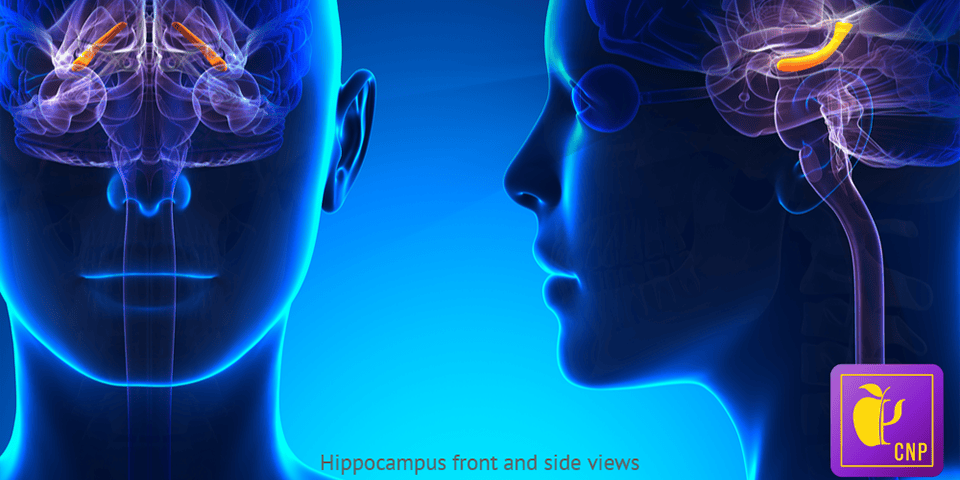
Researchers are zeroing in on whether high-fat, high-sugar foods can impact our brain, and influence our eating choices. It turns out that they can and do, and the Hippocampus, a major structure within our brain, is one of junk food’s favorite targets.
Interoceptive Awareness in Nutritional Psychology: Is Interoception a missing Element in our understanding of an improved Diet-Mental Health Relationship? What is Interoceptive Awareness in Nutritional Psychology, how does it relate to the field of Nutritional Psychology, and how can it...