Consumption of ultra-processed foods is associated with depression, mesocorticolimbic volume, and inflammation
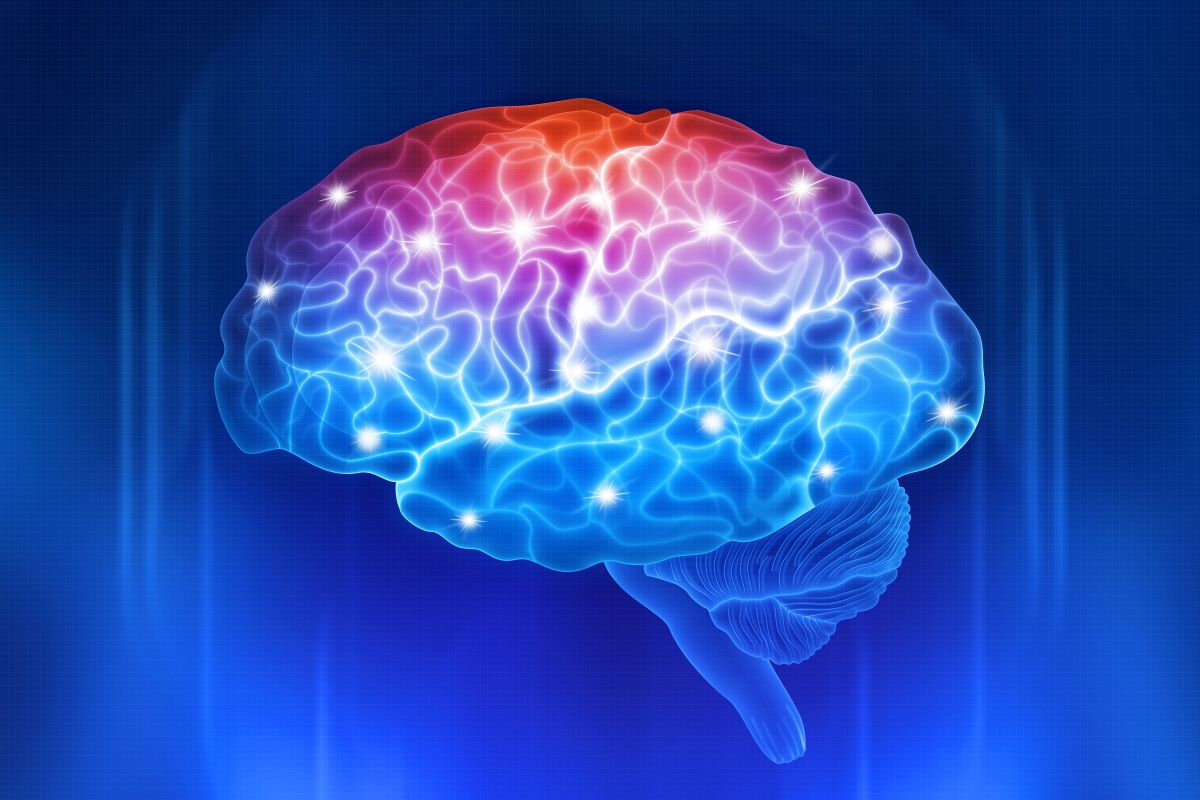
This study investigates the relationship between ultra-processed food (UPF) consumption, depressive symptoms, and brain volumes in adults, considering obesity and inflammation as factors. Data from 152 adults, including diet, depressive symptoms, brain imaging, and lab tests, were analyzed. Higher ultra-processed food (UPF) consumption was linked to increased depressive symptoms and reduced gray matter volumes in areas like the posterior cingulate cortex and amygdala. These associations were stronger in participants with obesity and partially mediated by white blood cell count. The study suggests that UPF consumption affects brain regions involved in reward and conflict monitoring, though no causal conclusions can be drawn.
Year: 2023
Reference: Contreras-Rodriguez, O., Reales-Moreno, M., Fernández-Barrès, S., Cimpean, A., Arnoriaga-Rodríguez, M., Puig, J., Biarnés, C., Motger-Albertí, A., Cano, M., & Fernández-Real, J. M. (2023). Consumption of ultra-processed foods is associated with depression, mesocorticolimbic volume, and inflammation. Journal of affective disorders, 335, 340–348. https://doi.org/10.1016/j.jad.2023.05.009
Related Studies
This study explored the relationship between adherence to the Mediterranean-DASH Intervention for Neurodegenerative Delay (MIND) diet and risk of recurrent depressive symptoms (DepSs). The analysis included 4,824 participants (73% men, mean age: 61, SD: 5.9) from the British Whitehall II cohort study. MIND diet scores were calculated using a validated 127-item food frequency questionnaire from […]
The correlation between dietary habits and mental health has garnered increasing attention, particularly concerning the Japanese diet, which is noted for its high content of fish, soy products, and green tea. While earlier studies have hinted at a connection between Japanese dietary patterns and depressive symptoms, findings remain disparate, largely due to limited research on […]
 Navigation