Navigation



How do health professionals support eating behaviors in individuals with mental health concerns?

 Watch on YouTube
- A qualitative study published in the Journal of Human Nutrition and Dietetics explored how health professionals working in eating behaviors in mental health care facilities support the eating behavior of individuals living with mental health concerns.
- Analysis of interviews revealed six themes and three subthemes covering disordered eating patterns, described a complex web of factors influencing eating behavior, and the context-dependent ways in which health professionals provide support.
- Changes in body weight were a common point of discussion, particularly when they are caused by medication or a consequence of a person’s mental health condition.
How Physical Health Can Affect Eating Behavior?
We are all aware that our eating behaviors in mental health care can be heavily affected by our health. When we are ill, we often lose our appetite, sometimes completely. Some health issues are coupled with problems in the functioning of our digestive system, further decreasing our motivation to eat or limiting our food choices. On the other hand, when health issues (e.g., an injury) force us to stay in bed or reduce our mobility (while our eating habits remain unchanged), or we experience increased periods of stress, the result can be increased weight gain.
Eating Habits and Mental Health: What Research Shows
Our eating habits can also be affected by our mental health status. For example, severe mental health crises such as psychotic episodes are often accompanied by disturbances in eating behavior. This has been widely reported by researchers since the early 19th century (Stogios et al., 2020). A systematic review of findings since the mid-20th century to modern times found that patients with schizophrenia tend to have a poor diet, mainly characterized by high intake of saturated fat and low consumption of fiber and fruit (Dipasquale et al., 2013).
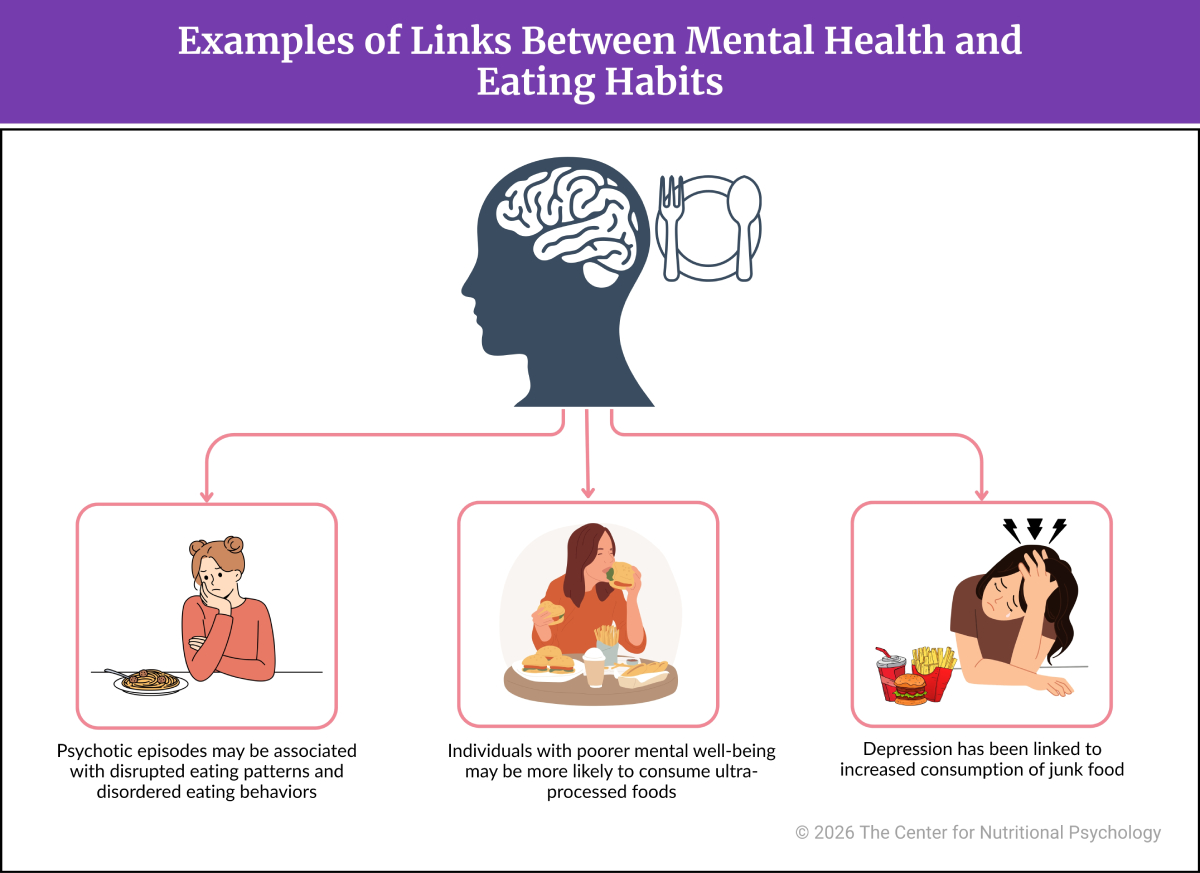
Figure 1. Links between mental health and eating habits
Mental Health Conditions and Unhealthy Eating Patterns
Studies also link other, less severe mental health issues with unhealthy or less healthy eating patterns. For example, a 2023 study (published in 2025) involving more than 400,000 people from 60 countries found that people consuming more ultraprocessed foods tend to report worse mental well-being (Bala et al., 2025; Hedrih, 2025). Another study found that food preferences seem to change in individuals suffering from depression (Thurn et al., 2025). A meta-analysis published in 2024 reported an association between junk food consumption and depression, as well as with mental health problems in general (Ejtahed et al., 2024)
A study of 400,000 people across 60 countries found that those who consume more ultraprocessed foods tend to report poorer mental well-being.
Study Overview: Eating Behavior Support in Mental Health Facilities
The study published by Melissa Eaton and her colleagues examined how health professionals working in mental health facilities support eating behaviors in mental health care individuals living with mental health problems (Eaton et al., 2026). They conducted a qualitative study in which they interviewed 10 such professionals, most of whom were dietitians. Their average age was 34 years, and most were located in New South Wales, Australia.
Interview Questions and Nutrition-Related Challenges
In the interviews, the moderator asked participating health professionals a series of questions based on the literature on links between mental health and eating behaviors, as well as research on nutrition-related challenges in mental health populations.
Key Findings: Six Themes in Mental Health Eating Behavior Support
Thematic analysis of these interviews revealed 6 key themes and 3 subthemes.
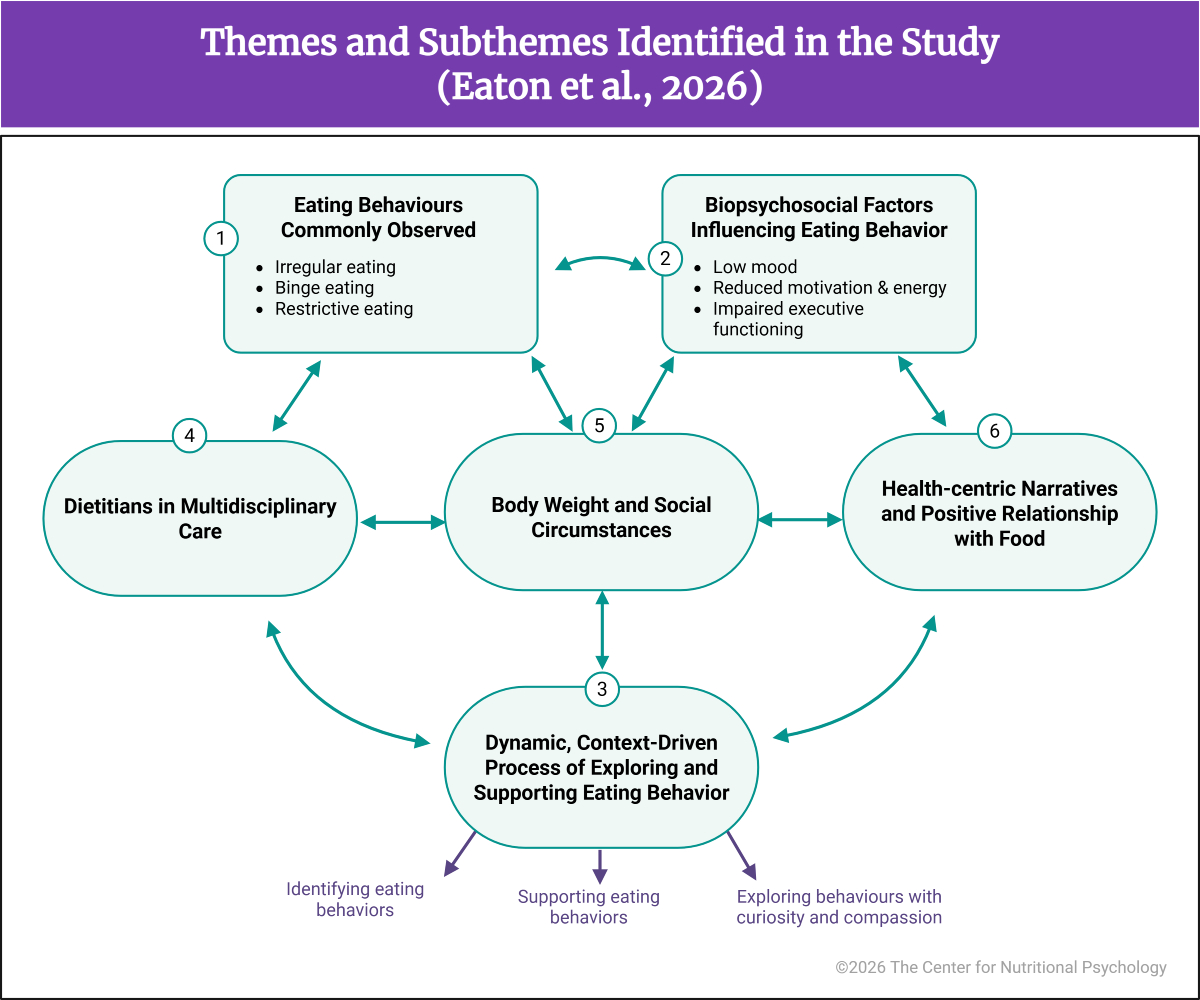
Figure 2: The themes and subthemes identified in Eaton et al., 2026
Theme 1: Disordered and Irregular Eating Patterns
The first theme covered parts of the interviews where participants noted that eating patterns not supportive of health are frequently seen in mental health patients. Most frequently, these were irregular eating patterns, including skipping meals and forgetting to eat. Bingeing and restrictive eating were equally common.
Theme 2: Biopsychosocial Factors That Influence Eating Behavior
The second theme covered a wide array of biopsychosocial factors influencing eating behavior, ranging from low mood, reduced motivation and energy, impaired executive functioning, to eating behaviors used for self-soothing, self-harm, or linked to feelings of worthlessness.
Theme 3: How Clinicians Support Eating Behaviors
The third theme was about the dynamic and context-driven processes in which health clinicians support the eating behavior of mental health patients. This wide theme included the three subthemes that covered identifying the unhealthy eating behaviors, supporting patients’ eating behaviors, and exploring patients’ eating behaviors with curiosity and compassion.
Theme 4: The Role of Dietitians in Mental Health Care Teams
The fourth theme emphasized the vital role of dietitians in multidisciplinary teams.
Theme 5: Body Weight Changes, Medication, and Food Insecurity
The fifth theme highlighted the important role of body weight changes in patients with mental health conditions. In some cases, the topic of body weight had to do with weight gain happening as a side effect of mental health medication, while in others, it was about food insecurity or lack of access to nutritious foods due to lack of housing or finances caused by mental health problems.
Lived Context Behind Weight Changes in Mental Health
“Someone was telling me about how they used to be so thin and it was amazing and they wish that their life was like that again. And upon further experience, this person was unhoused during that time and wasn’t eating because they didn’t have a kitchen and was eating just random packet food that they could get their hands on and was untreated for their mental illness….”, one of the study participants stated in an interview.
Biopsychosocial influences on eating behavior include low mood, diminished motivation and energy, executive functioning difficulties, and patterns of eating used for self-soothing or even self-harm, often tied to feelings of worthlessness.
Theme 6: Health-Centered Food Narratives and Positive Food Relationships
The sixth theme reflected clinicians’ emphasis on health-centric narratives about food and supporting a positive relationship with food. Most clinicians reported a conscious shift away from weight-centrism and encouragement of more health-focused goals.
Moving Away From Weight-Centric Care
“I also come back to a do no harm principle and I know that dieting is a big factor, risk factor for disordered eating, but also contributing to ongoing perpetuation of weight stigma and the actual weight cycling isn’t great for your health anyway, so depending on the consumer, but like that’s also how I talk to clinicians if they come at me being like oh, weight, weight, weight. I’m like evidence-based do no harm. That’s my kind of approach. If I get weight management referrals from clinicians, I push back and say what other goals would they like to work on?” another participant stated.
Why This Study Matters for Nutrition and Mental Health Care
The study describes the contents of typical discussions involving nutrition in mental health settings. These findings confirm that eating patterns are frequently disturbed during mental health crises, highlight the important role of nutrition professionals in mental health treatments, and the complex, context-driven ways in which these professionals provide support to mental health patients.
Study Limitations: What This Research Cannot Tell Us
This is a qualitative study involving only 10 mental health professionals, most of whom were from a single Australian state. While it provides information about different ways health professionals in mental health facilities support patients’ eating behaviors and highlights the types of problems they deal with, it does not provide any quantitative information. Therefore, it remains unknown how often different types of support are provided and how frequently different types of problems occur.
The Bottom Line: Supporting Eating Behaviors Is Part of Mental Health Care
The study indicates that disordered eating patterns and patterns not supportive of health are a common issue among individuals suffering from mental health problems. Supporting mental health patients in restoring and maintaining regular eating patterns and promoting healthy eating is an important part of mental health care and essential to their overall well-being. The study shows that the ways in which this support is provided need to be adapted to the specific psychological, physiological, and social contexts of individual patients.
About the Research Paper
The paper “Eating Behaviour in Mental Health Care: An Underexplored Perspective From Dietitians and Other Clinicians” was authored by Melissa Eaton, Laura Robinson, Joseph Firth, Ouyi Wang, and Yasmine Probst .
Frequently Asked Questions
Mental health crises are often accompanied by disturbances in eating behaviors. For example, studies have found that patients with schizophrenia tend to have a poor diet, mainly characterized by high intake of saturated fat and low consumption of fiber and fruit, or that individuals with depression tend to eat more junk food.
It examined how health professionals working in mental health facilities support the eating behaviors of individuals living with mental health problems.
No, this was a qualitative study that asked 10 health professionals working in mental health facilities about their experiences in supporting the often disrupted eating behaviors of their patients. It was purely descriptive and did not apply a study design that would allow causal inferences.
Mental health problems can lead to weight gain or weight loss by affecting appetite, eating patterns, sleep, energy levels, and motivation to be physically active. Some psychiatric medications can also affect appetite or metabolism and, therefore, contribute to changes in body weight. If severe mental health issues are untreated and the affected person does not receive sufficient support, such individuals may not be able to take care of themselves or may fall into financial difficulties, resulting in a lack of access to nutritious food or even food in general.
References
Bala, J., Sukhoi, O., Newson, J. J., Machado, P. P., Lawrence, M., & Thiagarajan, T. C. (2025). Estimation of the nature and magnitude of mental distress in the population associated with ultra-processed food consumption. Frontiers in Nutrition, 12, 1562286. https://doi.org/10.3389/fnut.2025.1562286
Dipasquale, S., Pariante, C. M., Dazzan, P., Aguglia, E., McGuire, P., & Mondelli, V. (2013). The dietary pattern of patients with schizophrenia: A systematic review. Journal of Psychiatric Research, 47(2), 197–207. https://doi.org/10.1016/j.jpsychires.2012.10.005
Eaton, M., Robinson, L., Firth, J., Wang, O., & Probst, Y. (2026). Eating Behaviour in Mental Health Care: An Underexplored Perspective From Dietitians and Other Clinicians. Journal of Human Nutrition and Dietetics, 39(2), e70233. https://doi.org/10.1111/jhn.70233
Ejtahed, H.-S., Mardi, P., Hejrani, B., Mahdavi, F. S., Ghoreshi, B., Gohari, K., Heidari-Beni, M., & Qorbani, M. (2024). Association between junk food consumption and mental health problems in adults: A systematic review and meta-analysis. BMC Psychiatry, 24(1), 438. https://doi.org/10.1186/s12888-024-05889-8
Hedrih, V. (2025, July 19). People Consuming Lots of Ultra-Processed Foods Tend to Have Slightly Worse Mental Health Indicators. CNP Articles in Nutritional Psychology. https://www.nutritional-psychology.org/ultra-processed-food-effects-mental-health/
Stogios, N., Smith, E., Asgariroozbehani, R., Hamel, L., Gdanski, A., Selby, P., Sockalingam, S., Graff-Guerrero, A., Taylor, V. H., Agarwal, S. M., & Hahn, M. K. (2020). Exploring Patterns of Disturbed Eating in Psychosis: A Scoping Review. Nutrients, 12(12), 3883. https://doi.org/10.3390/nu12123883
Thurn, L., Schulz, C., Borgmann, D., Klaus, J., Ellinger, S., Walter, M., & Kroemer, N. B. (2025). Altered food liking in depression is driven by macronutrient composition. Psychological Medicine, 55. https://doi.org/10.1017/s0033291724003581
Last updated:
Related Articles