Navigation



WHO Unveils First Global Guidelines for Addressing Child and Adolescent Obesity


The World Health Organization has introduced its first global guidelines to combat rising obesity rates among children and adolescents, emphasizing comprehensive interventions tailored to individual needs and circumstances.

Rising Obesity Rates Among Youth
In light of escalating obesity levels in the younger population, the World Health Organization (WHO) has responded with its inaugural global guidelines aimed at improving health outcomes for children and adolescents. The prevalence of obesity among individuals aged 5 to 19 has surged from 2% in 1990 to an alarming 8% in 2024, reflecting a concerning trend. As of 2024, approximately 170 million children and adolescents were estimated to be living with obesity, including 70 million in the 5 to 9 age bracket and about 100 million in the 10 to 19 range.
The prevalence of obesity among individuals aged 5 to 19 has surged from 2% in 1990 to an alarming 8% in 2024, reflecting a concerning trend.
Comprehensive Interventions Recommended
The WHO advocates for a multifaceted approach that combines dietary changes, physical activity, and behavioral interventions as the cornerstone of effective obesity management. The guidelines recommend that these interventions be personalized to account for age, gender, health status, cultural context, and individual preferences. Additionally, the use of digital health tools can offer supplementary support when guided by a parent or caregiver.
Dr. Luz María De Regil, director of the Department of Nutrition and Food Safety at the WHO, states that the foundation for addressing obesity among youth lies not in medical treatments but in ensuring access to comprehensive support systems promoting healthy lifestyles. Furthermore, the organization emphasizes that structured physical activity plans should align with the child’s interests and capabilities.
Link Between Obesity and Mental Health
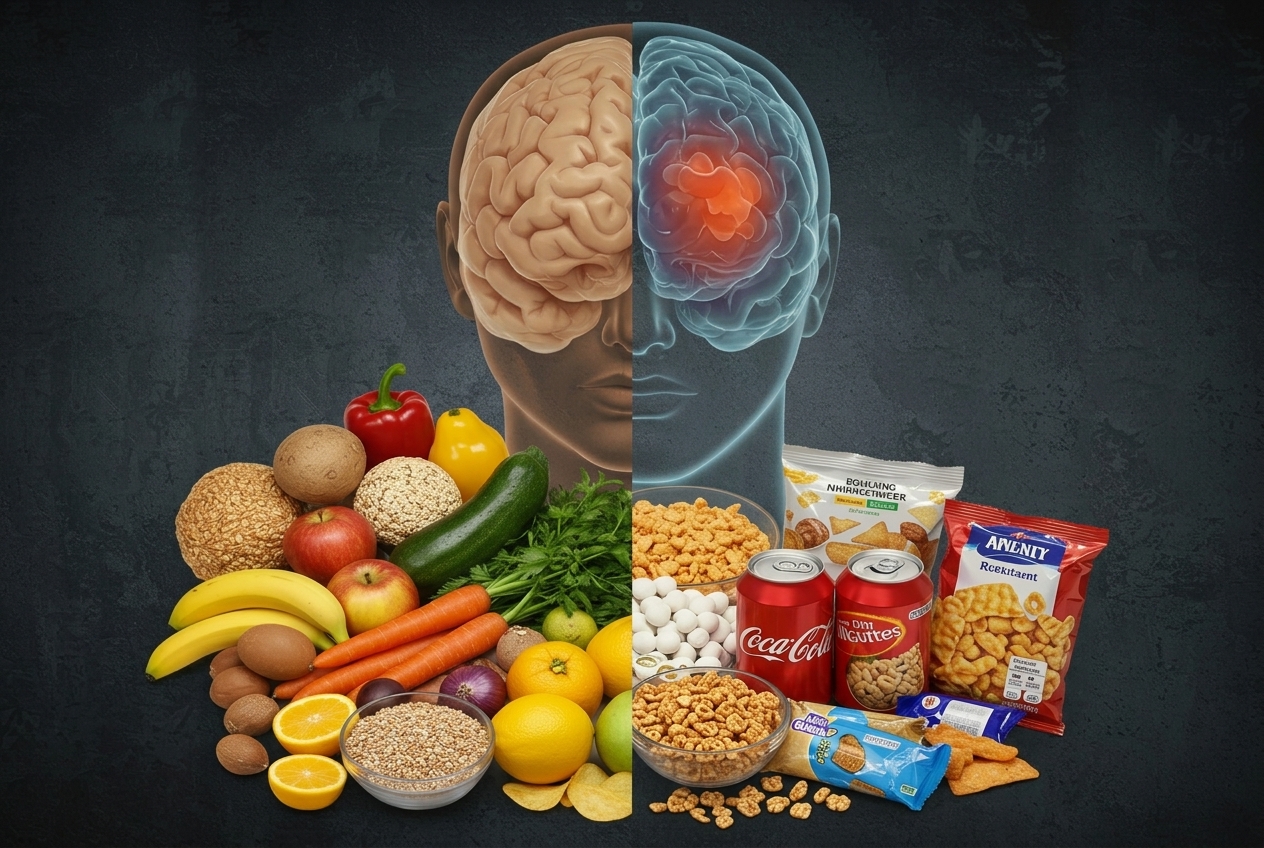
The WHO guidelines also highlight the connection between obesity and mental health issues, including anxiety, depression, and low self-esteem, which may contribute to unhealthy behaviors. To address this, the recommendations suggest that interventions should not only target obesity but also the associated mental health conditions, implementing strategies that are inclusive and developmentally appropriate. The objective is to enhance overall well-being rather than focusing solely on weight loss.
Cautions on Treatment Options
While the guidelines emphasize lifestyle changes, they advise against pharmacological treatments, weight-loss surgery, or devices for children aged 0 to 9. For adolescents aged 10 to 19, pharmacological interventions may be considered only if lifestyle modification programs fail to yield the desired results, with weight-loss surgery reserved for cases of severe obesity. A recent Pediatrics study indicated that the use of GLP-1 medications among US children under 12 dramatically rose by 310% from 2019 to 2026, raising concerns about nutritional deficiencies in this population.
Moreover, while dietary modifications are encouraged, the WHO acknowledges the complexity of factors influencing dietary habits, including gender, socioeconomic status, and parental involvement. The guidelines emphasize the importance of addressing food insecurity and ensuring access to high-quality nutrition education, particularly in disadvantaged communities.
THE CNP TAKEAWAY
These new WHO guidelines reflect a vital step towards tackling child and adolescent obesity through holistic approaches, integrating physical wellness with mental health support.
Sources & References
Original News Source
Nutrition Insight. WHO backs diet and activity in first global guidelines on child and adolescent obesity
Additional Research & CNP References
-
Mandal, R. (2026). Feeding the mind: Why nutrition must become central to mental health care. Nutrimentum et Curae, 5, e171. https://doi.org/10.57625/nec.2026.111
-
Onuorah, U. M., Arene, E. C., Nwachukwu, S. F., Obilor, S. C., Dosunmu, Y. A., Markus, S. N., Ugo, C. H., Eze, P. N., Addeh, I., & Ibude, J. A. (2026). Representation of diet and mental health evidence in national dietary guidelines and large-scale public health nutrition programmes. Discover Public Health, 23, Article 744. https://doi.org/10.1186/s12982-026-02068-w
-
Folorunso, O. E., Ojo, T. O., Akinsulore, A., & Inyangudo, G. (2025). Adolescent mental well-being and household food security: insights from a cross-sectional study in Irewole local government area, Osun State, Nigeria. BMC public health, 10.1186/s12889-025-25702-9. Advance online publication. https://doi.org/10.1186/s12889-025-25702-9