Navigation
images

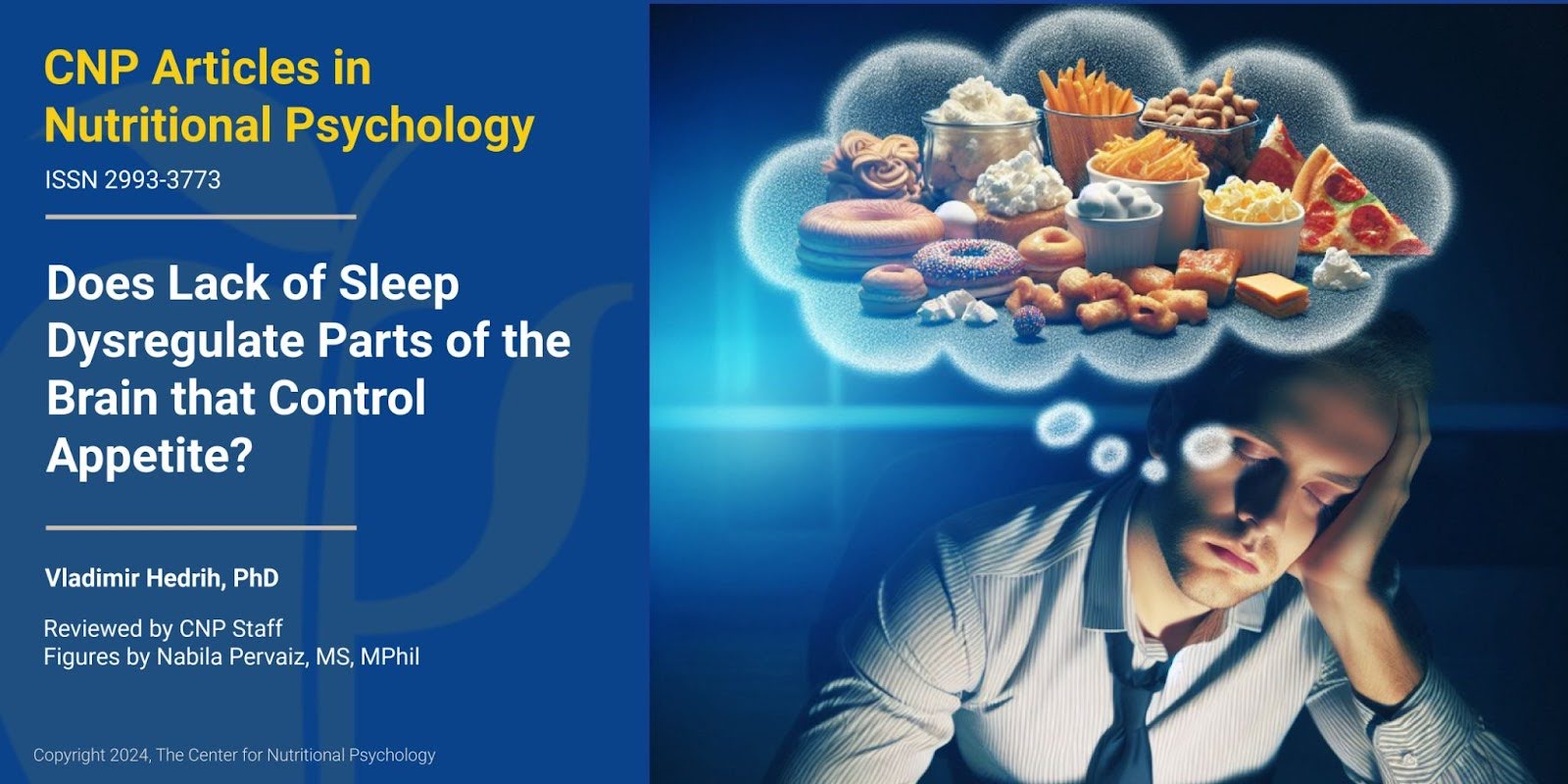
Does Lack of Sleep Dysregulate Parts of Our Brain that Control Appetite?

When lacking sleep, some drink coffee, some try to increase their physical activity to stay awake, and some visit the fridge. Most people have experienced this situation when they couldn’t get enough sleep, accompanied by a desire to eat more food than usual. But does lack of sleep really increase our appetite?

Listen to this Article

images

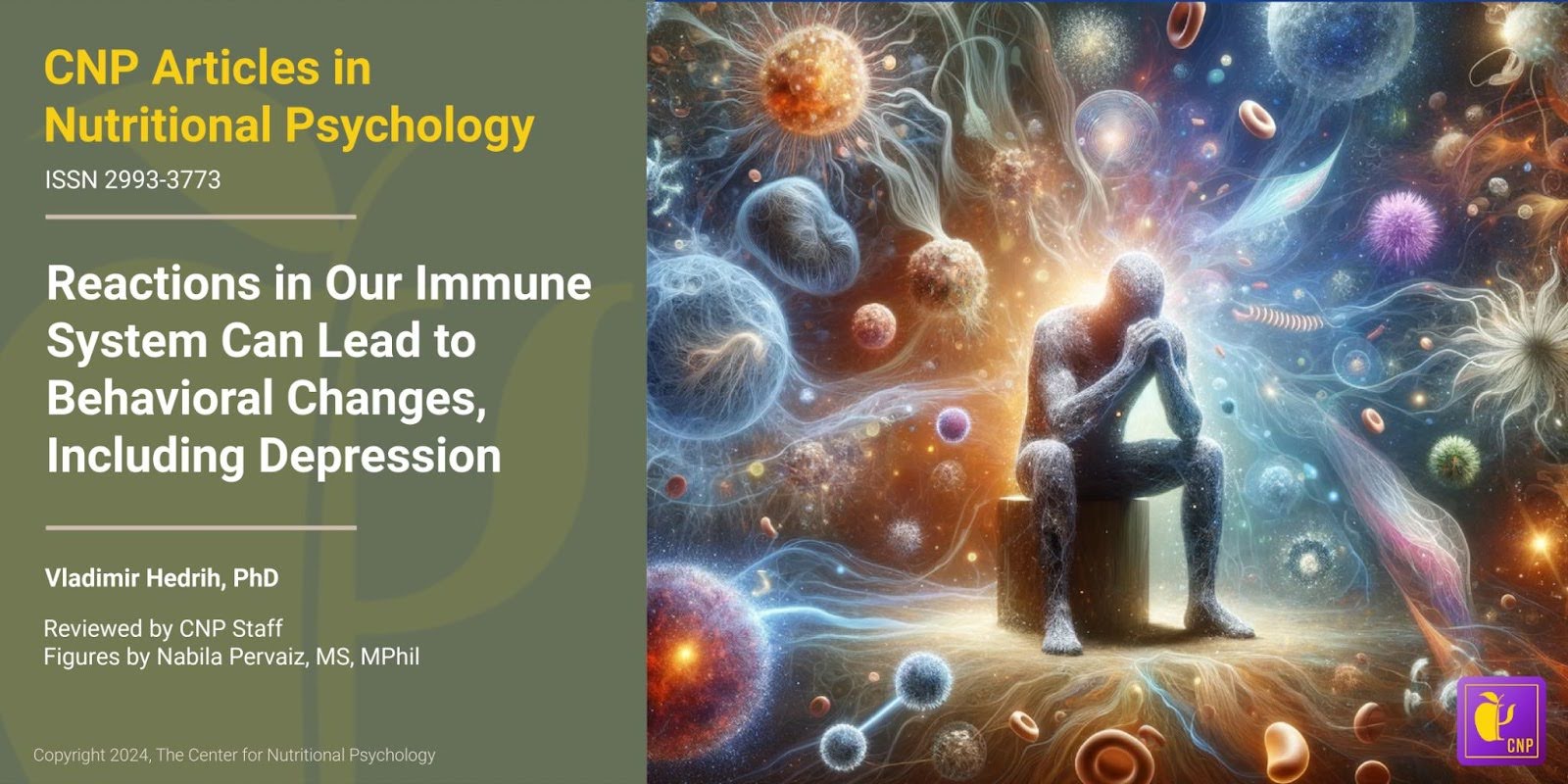
Reactions in Our Immune System Can Lead to Behavioral Changes, Including Depression

Scientists have studied mental health problems for centuries. However, for most of this time, their focus has solely been on psychological symptoms because the scientific know-how needed to understand the complex biochemical mechanisms underpinning psychology was simply not there until now. Recent advances in biomedical technology allowed modern researchers to start mapping the biochemical mechanisms behind these disorders. One major topic of this type of research is stress-related disorders, such as major depressive disorder.

Listen to this Article

images

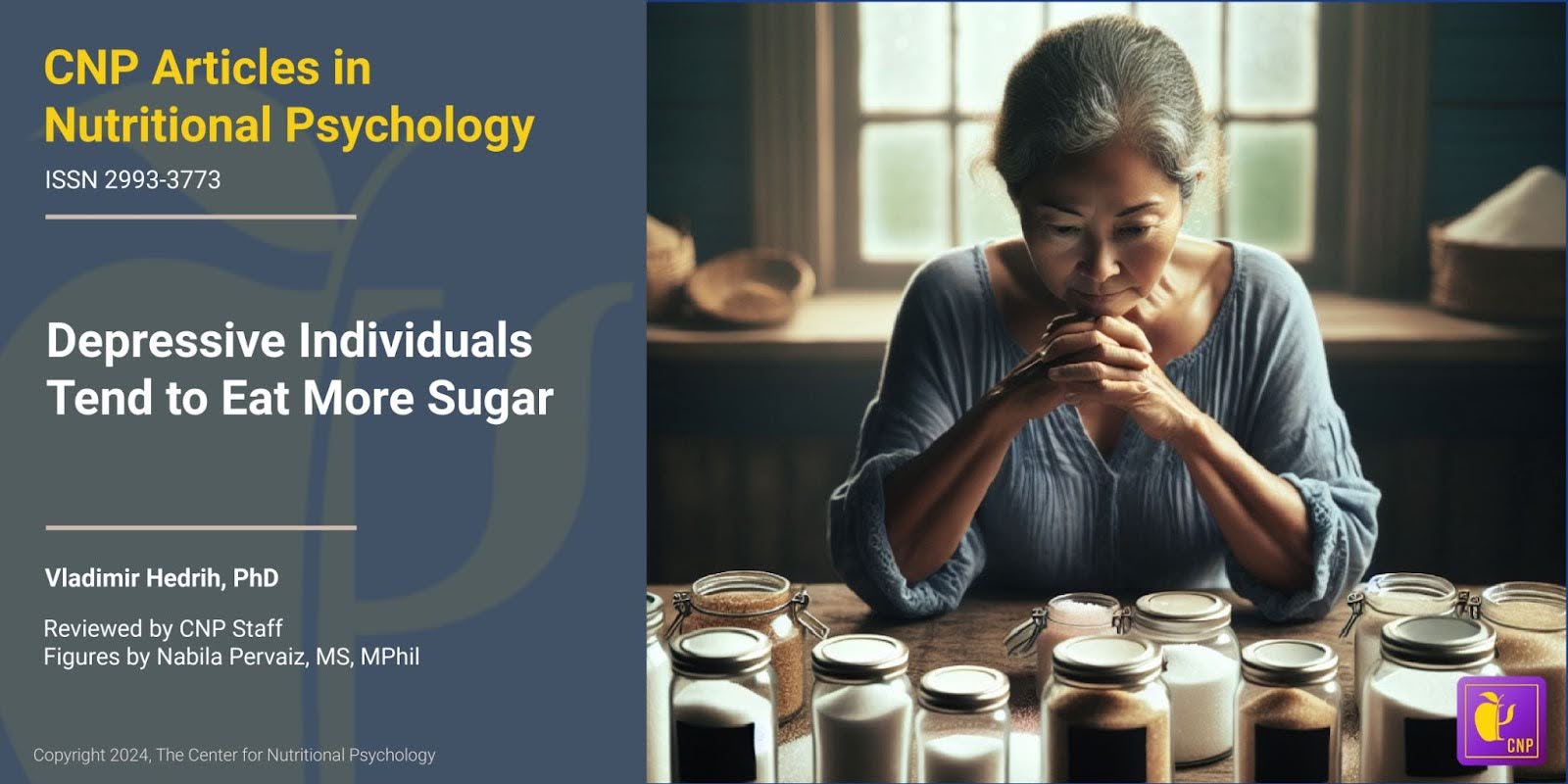
Depressive Individuals Tend To Eat More Sugar

Most people know that there is a link between appetite and mood. When stressed, some of us tend to eat more (Dakanalis et al., 2023). A similar thing happens when we do not have enough sleep (Greer et al., 2013). On the other hand, when we are hungry, we tend to become angry and irritable. That is how the term “hangry” came to be (Hedrih, 2023a; Swami et al., 2022). But is there a link between moods or mental health in general and specific foods? For example, do the dietary choices of individuals suffering from depression differ from the dietary choices of individuals who aren’t suffering from depression?

Listen to this Article

images

What Makes Us Like or Dislike Specific Foods?

Have you ever wondered what makes us like and want to eat certain foods while disliking others? Most people will say that they like tasty food when asked this question. But what makes some foods tastier than others? Many scientific studies explored this question.

Listen to this Article

images

Can Social Anxiety From Humans be Transmitted to Mice?

A study published in PNAS: Neuroscience explored whether social anxiety can be transmitted from humans to mice via gut microbiota Mice receiving gut microbiota from human participants with social anxiety disorder became more sensitive to social fear While the nonsocial...

Listen to this Article