 Navigation


Dietary flavonoid intake and psychological well-being – A bidirectional relationship
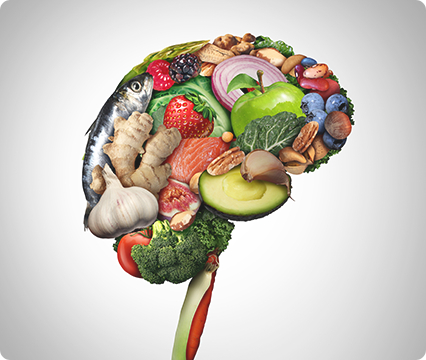
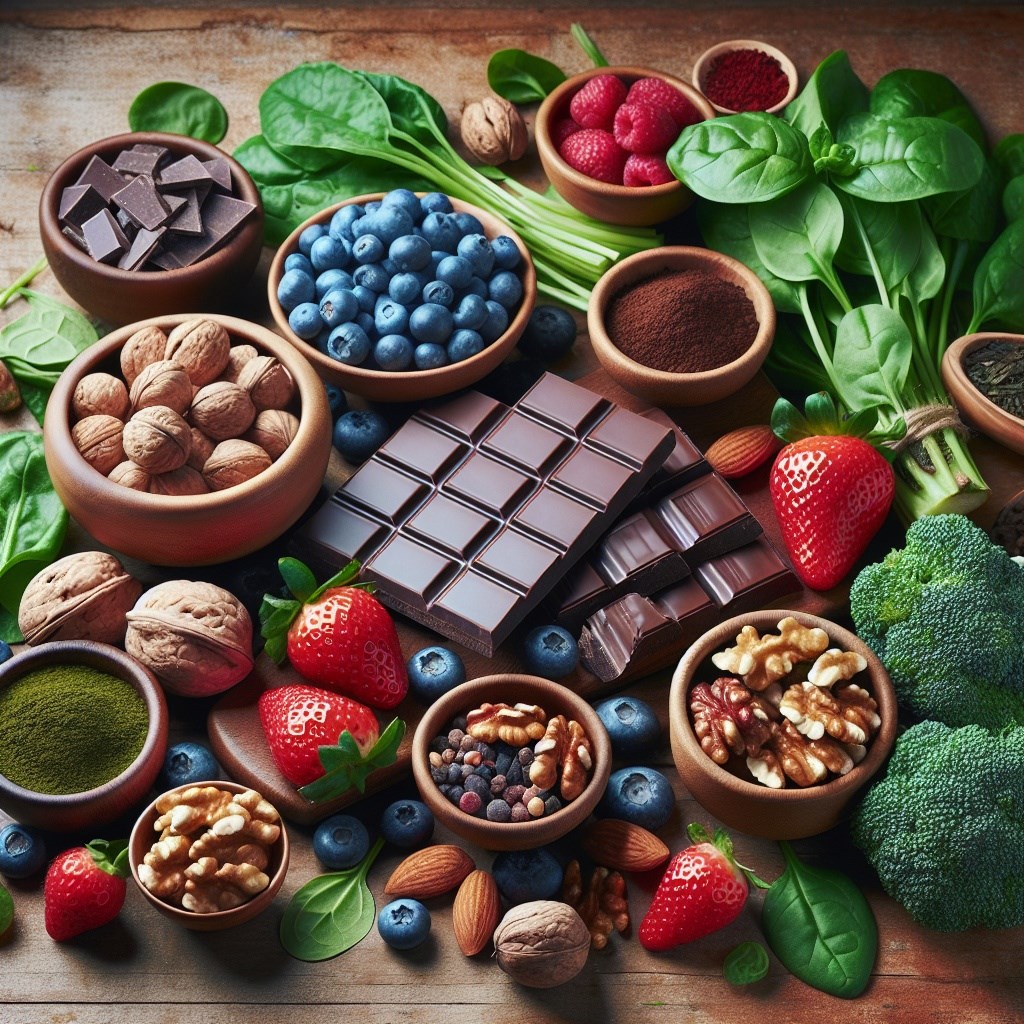
Higher dietary flavonoid intake has been associated with reduced mortality risk and a lower risk of major chronic diseases; however, its impact on psychological well-being (PWB) remains unclear. This research examines the bidirectional associations between dietary flavonoid intake and two facets of PWB: happiness and optimism. Specifically, the study evaluates overall flavonoid-rich dietary patterns (flavodiet score), intake of specific flavonoid-rich foods, and total flavonoid and subclass intakes in relation to sustained happiness and optimism.
Data were sourced from the Nurses’ Health Study, with two analytical samples: flavonoid intake measured in 1990 (n = 44,659) linked to sustained happiness from 1992 to 2000, and intake in 2002 (n = 36,723) related to sustained optimism from 2004 to 2012. Generalized estimating equations were employed to assess associations, controlling for potential confounders.
The findings indicate that higher flavodiet scores are associated with a 3–6% increase in the likelihood of sustained happiness and a 3–16% increase in sustained optimism. Specific foods such as strawberries, apples, oranges, grapefruit, and blueberries were linked to a 3–16% greater likelihood of sustained PWB. Additionally, total flavonoid and subclass intakes were associated with a 2–18% greater likelihood of sustained PWB. Notably, women with higher baseline levels of happiness or optimism were more likely to maintain higher flavonoid intake.
In conclusion, the consumption of approximately three servings per day of flavonoid-rich foods is positively correlated with sustained PWB, while higher baseline levels of PWB predict sustained higher flavonoid intake over 18 years. This bidirectional relationship suggests that integrated dietary and well-being interventions may enhance long-term health and mitigate the risk of chronic disease. [NPID: Flavonoids, happiness, optimism, mood]
Year: 2026