Navigation


Diet, lifestyle, metabolic markers, and socioeconomic status are associated with cognitive function in school-aged children from a population-based cohort
Understanding cognitive development in children necessitates a look beyond isolated factors. This research investigates how diet, physical activity, sleep, metabolic health, and socioeconomic status collectively impact cognitive abilities in school-aged children. The study involved 170 participants from a general population cohort, with an average age of 6.33 years, half of whom were female.
Following an overnight fast, anthropometric and metabolic variables were recorded, and children’s dietary habits were evaluated using validated questionnaires such as the Vioque FFQ and enKid. Cognitive abilities were measured utilizing NEPSY-II and TONI-2 assessments. Correlation and regression analyses were employed to ascertain the relationships between these variables.
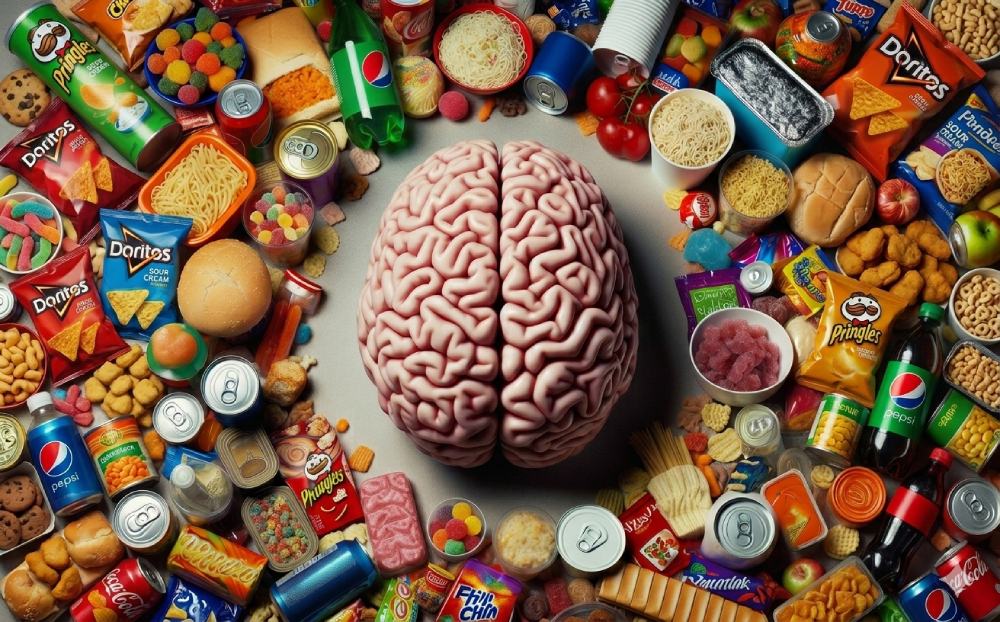
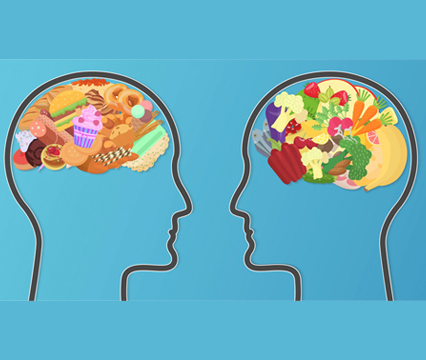
The findings revealed a positive correlation between cognitive function and several factors: adherence to a Mediterranean diet, duration of sleep, and socioeconomic status. Conversely, increased intake of ultra-processed foods, excessive television viewing, and adverse metabolic indicators like insulin resistance, C-reactive protein, and gamma-glutamyltransferase were negatively correlated with cognitive outcomes (all p < 0.05).
Multivariate analyses further demonstrated that Mediterranean diet adherence (OR 2.18, 95% CI 1.08–4.40), economic status (OR 2.50, 95% CI 1.13–5.49), sleep duration (OR 2.90, 95% CI 1.42–5.92), and insulin resistance (OR 0.47, 95% CI 0.23–0.96) independently correlated with cognitive functions, notably in areas of attention, language, and memory.
This study underscores the independent roles of lifestyle choices and socioeconomic factors in cognitive function among children. It highlights the importance of a balanced diet, sufficient sleep, and addressing socioeconomic inequities as integral to supporting cognitive development. The broader implications of the findings suggest that cognitive development in children is a complex interplay of multiple health and societal factors. [NPID: Cognitive, Mediterranean Diet, ultra-processed foods]
Year: 2026