Navigation


Restoring a healthy relationship with food by decoupling stress and eating: a translational review of nutrition and mental health
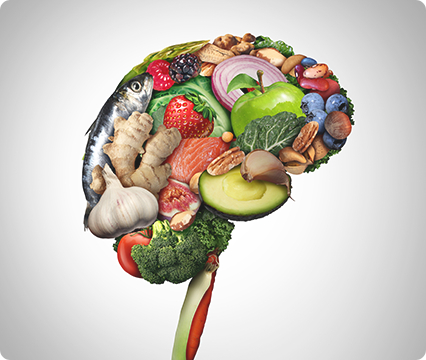
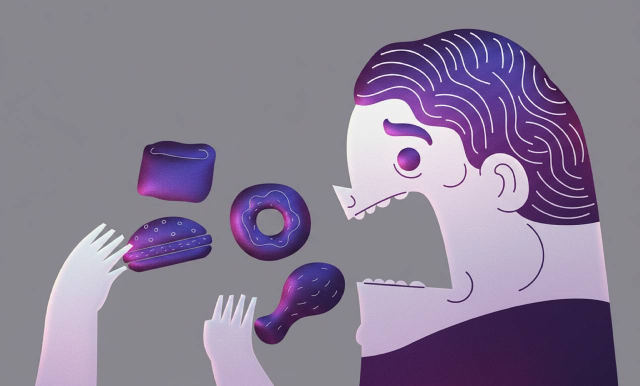
The intricate relationship between psychological stress and dietary choices plays a pivotal role in both mental and physical health. Modern stressors and an environment filled with ultra-processed foods have led to the rise of maladaptive eating behaviors, where individuals often eat in response to emotional triggers rather than genuine hunger. This narrative review consolidates insights from various fields, including nutritional psychiatry, microbiome science, and behavioral nutrition, providing a comprehensive exploration of how our stress response, gut-brain signaling, and diet quality influence emotional regulation and eating habits.
The authors discuss several underlying mechanisms that contribute to this dynamic, including dysregulation of the hypothalamic-pituitary-adrenal (HPA) axis, reduced interoceptive awareness, and inflammatory and epigenetic pathways. They review the benefits of mindful and intuitive eating practices, emphasize the importance of a diet rich in phytochemicals and whole foods, and introduce the concept of precision nutrition as a tailored approach to dietary choices.
Furthermore, the review addresses the significance of trauma-informed strategies, cultural influences on food practices, and the structural challenges that hinder access to healthy eating. By considering these factors, the authors propose clinical strategies, including interprofessional collaboration, to enhance public health equity and enable dietary interventions that foster sustainable mental wellness. Ultimately, the review advocates a renewed perspective on nutrition, positioning it as a key regulator not only of nourishment but also of mood, cognitive function, and resilience to stress, all of which are fundamental to overall well-being. [NPID: Interdisciplinary, narrative review, stress, nutrition and mental health]
Year: 2026