Linking what we eat to our mood: A review of diet, dietary antioxidants, and depression
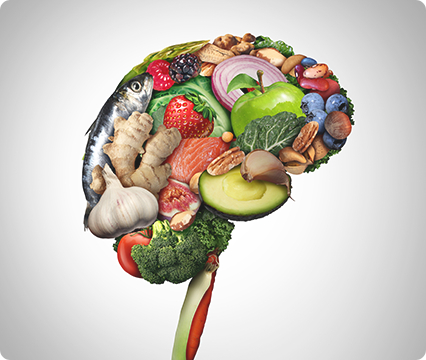
Studies have shown how important nutrition and food are in avoiding and treating depression. This review by Huang et al. (2019) seeks to clarify the connections between dietary patterns, specific foods, and nutrients such as antioxidants and their influence on depression. Foods like fish, fresh vegetables, and fruits and balanced diets like the Mediterranean diet are associated with a lower incidence of depression and its symptoms. Conversely, sugary beverages and Western diets heavy in fat are linked to a higher incidence of depression. Dietary antioxidants, including green tea polyphenols and isoflavonoids, reduce depression and depressive symptoms. The review concludes that diet patterns, specific foods, and antioxidants are vital for the prevention and clinical management of depression. [NPID: Depression, food, dietary pattern, nutrition, oxidative stress, inflammation, cytokine]
Year: 2019
Reference: Huang, Q., Liu, H., Suzuki, K., Ma, S., & Liu, C. (2019). Linking what we eat to our mood: A review of diet, dietary antioxidants, and depression. Antioxidants (Basel, Switzerland), 8(9). https://doi.org/10.3390/antiox8090376
Related Studies
Dietary intake of fruits and vegetables (FV) confers several health benefits. Recent evidence from observational and intervention studies postulates that consuming FV could also enhance psychological well-being. Based on these findings, De Leon et al. (2022) conducted their randomized controlled trial to examine the impact of FV consumption according to the 2010-2015 Dietary Guidelines for […]
This short 2020 article sought to analyse the complex relationship between food and mental health, answering questions on carbohydrates, dietary patterns, and bacteria in the gut, and explaining how these factors could be affecting our mood and depressive tendencies. Firth et al. (2020) state that healthy eating patterns such as the Mediterranean Diet are associated […]
 Navigation