 Navigation


Associations of dietary mineral intakes with the risk of six common mental disorders: A prospective cohort study
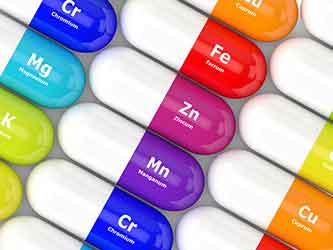
This research article explores the associations between twelve essential minerals and six major mental disorders using a cohort of 199,877 participants from the UK Biobank. The study employed Cox proportional hazards models to analyze the data, excluding individuals with implausible energy intake, missing covariates, or baseline mental disorders. The median follow-up period was 13 years. Results indicated that higher intake of iron (HR: 0.878, 95% CI: 0.828–0.931), magnesium (HR: 0.905, 95% CI: 0.853–0.961), and selenium (HR: 0.880, 95% CI: 0.830–0.933) was inversely associated with the risk of depression. Conversely, increased calcium intake was linked to a higher risk of depression (HR: 1.104, 95% CI: 1.041–1.171) and anxiety (HR: 1.154, 95% CI: 1.085–1.227). Furthermore, manganese intake was associated with a reduced risk of suicide (HR: 0.668, 95% CI: 0.531–0.841), while high zinc intake correlated with a decreased risk of PTSD (HR: 0.429, 95% CI: 0.262–0.701). Subgroup analyses highlighted stronger protective associations of iron, potassium, magnesium, zinc, and selenium with depression among women. Sensitivity analyses reinforced the primary findings. In conclusion, the study underscores that high intakes of iron, selenium, and manganese may mitigate the risk of common mental disorders, while excessive calcium intake may elevate the risk of depression and anxiety. The findings advocate maintaining adequate dietary mineral intake at Recommended Nutrient Intake (RNI) levels for magnesium, potassium, zinc, copper, and manganese as a pragmatic strategy to reduce mood disorder risk. [NPID: Minerals, mental disorders, calcium, essential minerals, manganese, PTSD]
Year: 2026