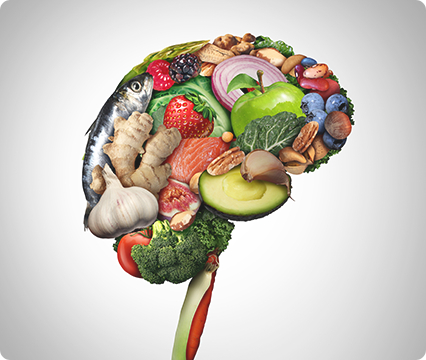
Conceptual framework for nutritional psychology as a new field of research
Nutritional psychology as a new field of research: Many recent discoveries highlight a robust bidirectional link between nutrition and psychological processes. Despite these developments, the systematic and formalized study of this connection is only beginning, and nutritional psychology is not yet considered a formal area of study within the psychological sciences. This paper defines the scope of nutritional psychology through 6 core areas of conceptualization, each informed by an interdisciplinary and growing body of evidence spanning the psychological and nutritional sciences. These include the diet-conative/affective, diet-cognitive, diet-sensory/perception, diet-interoceptive, diet-psychosocial, and diet-environmental relationships. Introducing these conceptualizations contributes to the development of innovative interdisciplinary language, method, and conceptualization of the diet-mental health relationship within nutritional psychology. [NPID: Nutritional psychology, diet-mental health, nutrition, psychology, conceptual framework]
Year: 2025
Reference: Stroebele-Benschop, N., Hedrih, V., Behairy, S., Pervaiz, N., & Morphew-Lu, E. (2025). Conceptual Framework for Nutritional Psychology as a New Field of Research. Behavioral sciences (Basel, Switzerland), 15(8), 1007. https://doi.org/10.3390/bs15081007
Related Studies
The interplay between dietary habits and psychological well-being raises important questions in the emerging domain of nutritional psychology. Research indicates that dietary quality significantly influences both the initiation and the persistence of psychological disorders. Notably, specific dietary frameworks, such as the Mediterranean Diet and Ketogenic Diet, have demonstrated promise in alleviating psychological symptoms. Concurrently, a […]
The incentive sensitization theory of addiction posits that addiction arises primarily from drug-induced sensitization within the brain’s mesocorticolimbic systems, which attribute incentive salience to reward-associated stimuli. When these systems become hypersensitive, they lead to pathological incentive motivation, or ‘wanting,’ for drugs. The article addresses several pertinent questions in the field: the role of learning in […]
 Navigation