 Navigation


Association of fast-food intake with depressive and anxiety symptoms among young adults: A pilot study
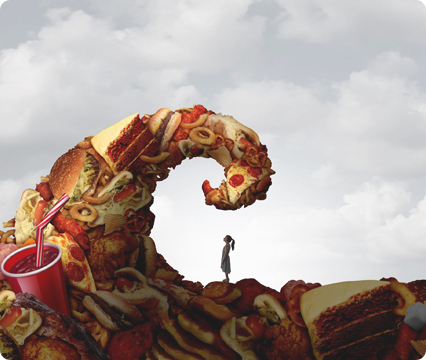
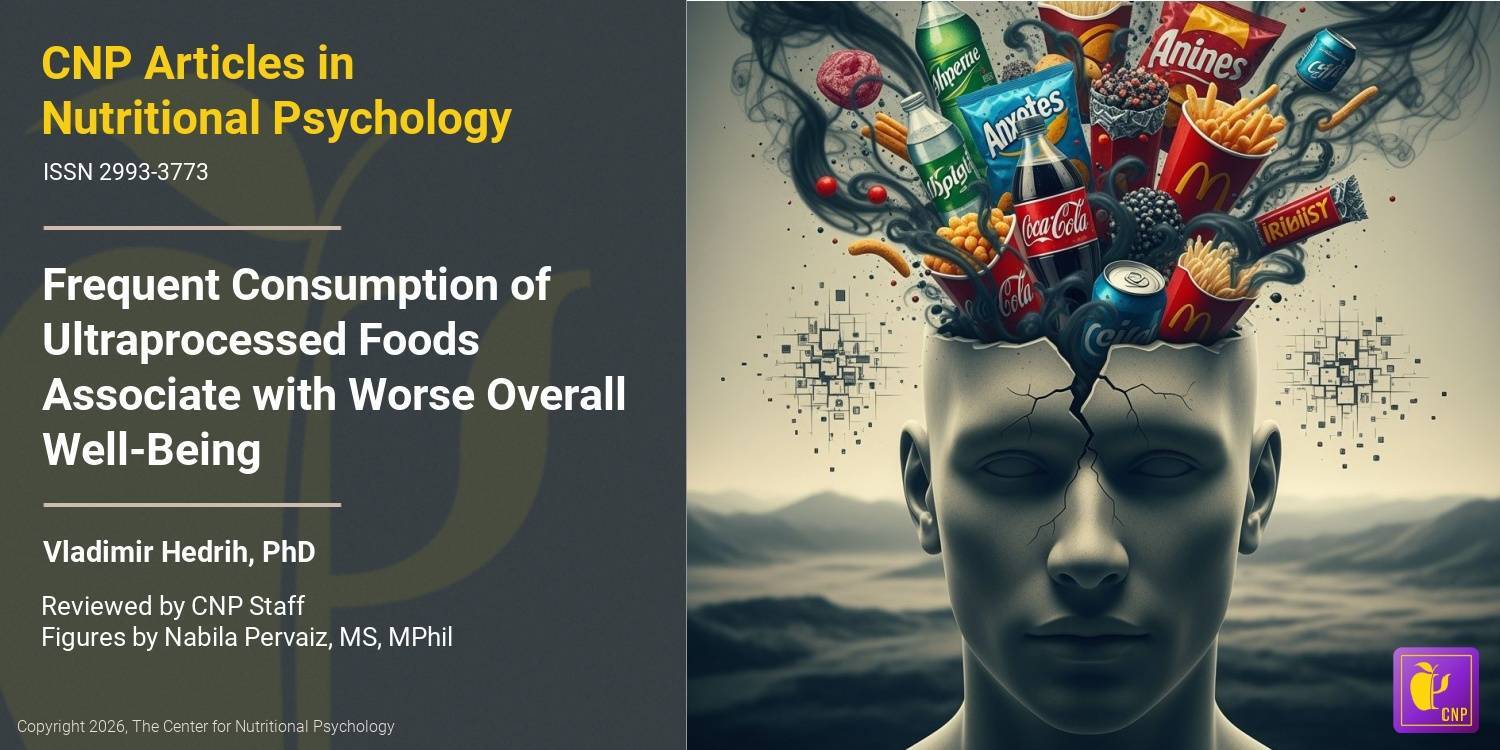
A high intake of fast food has been associated with an increased risk of both depressive and anxiety disorders. However, the relationship between specific fast-food items and these disorders has seldom been studied. This cross-sectional survey by Tang & Lee (2024) investigated the link between the consumption of common fast-food items and depressive/anxiety symptoms in 142 young adults (ages 18-27) in Hong Kong. A qualitative food frequency questionnaire was used to assess the frequency of consumption of 22 popular fast-food items in Hong Kong, in addition to using the Patient Health Questionnaire-9 (PHQ-9) and the Generalized Anxiety Disorder-7 (GAD-7) to evaluate depression and anxiety symptoms. The main analysis focused on comparing those with low intake frequencies of fast food to those with higher intake frequencies. The findings suggested that frequent consumption of high-fat, high-sugar, and high-sodium fast foods was linked to increased depressive symptoms, while frequent intake of high-fat fast foods was associated with anxiety symptoms. Interestingly, consuming sugar-free beverages was found to reduce the risk of depressive symptoms. In conclusion, young individuals’ experiences of anxiety and depression were linked to frequent use of specific fast meals. [NPID: Fast food, depression, anxiety, mental health]
Year: 2024