Navigation


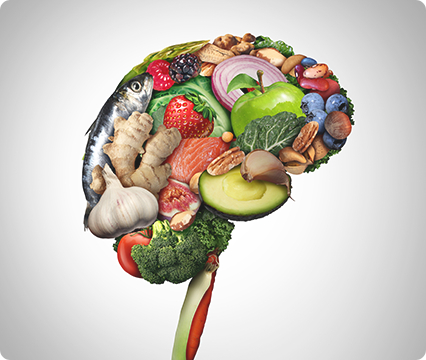
Editorial: Unraveling the associations between diet and mental health
In this Editorial commentary, researchers indicate that mental health disorders significantly contribute to global disability and that dietary habits have been identified as a modifiable factor that can influence mental well-being through various pathways, including behavioral, metabolic, inflammatory, and neurobiological mechanisms. This context frames the Research Topic titled “Unraveling the associations between diet and mental health,” which comprises 14 distinct contributions, including original research, epidemiological studies, population-based analyses, and narrative reviews from different global contexts.
These contributions provide evidence connecting dietary patterns and overall diet quality to outcomes related to depression and anxiety. Specific topics explored include dietary inflammatory potential, nutritional risks faced by stroke survivors experiencing dysphagia, and the Prognostic Nutritional Index’s role in depressive symptoms. The adherence to the EAT-Lancet diet pattern is also analyzed, highlighting its links to mental health.
Further investigation into eating behaviors illuminates their role in emotion regulation and the negative impact of ultra-processed food environments on psychological well-being. Additionally, studies examine how dietary choices converge with physical activity and broader lifestyle factors. Mechanistic insights delve into the gut–brain axis and the relationship between inflammation and psychiatric comorbidities in individuals with inflammatory bowel disease (IBD). Nutritional insufficiencies linked to ADHD and neurodivergent populations are also addressed.
Other findings show the psychosocial dimensions of food experiences, such as sex-specific interactions between magnesium and vitamin A relative to depression risk, alongside the effects of hedonic hunger, obesity, and overall quality of life among adolescents. Together, these studies emphasize that diet quality, patterns, and the degree of food processing consistently correlate with mental health outcomes. Mediation and modification processes include emotional regulation, lifestyle factors, inflammation, and gut–brain interactions.
The predominance of cross-sectional studies highlights a critical gap, underscoring the necessity for future longitudinal and interventional research. Overall, this Research Topic positions diet as a key, modifiable factor in promoting mental health across the lifespan and advocates for its integration into comprehensive psychological, behavioral, and public health strategies. [NPID: Nutritional psychology, Nutritional Psychiatry, Nutritional Epidemiology, diet, mental health]
Year: 2026