Navigation



The association between gut microbiota and cognitive decline: A systematic review of the literature
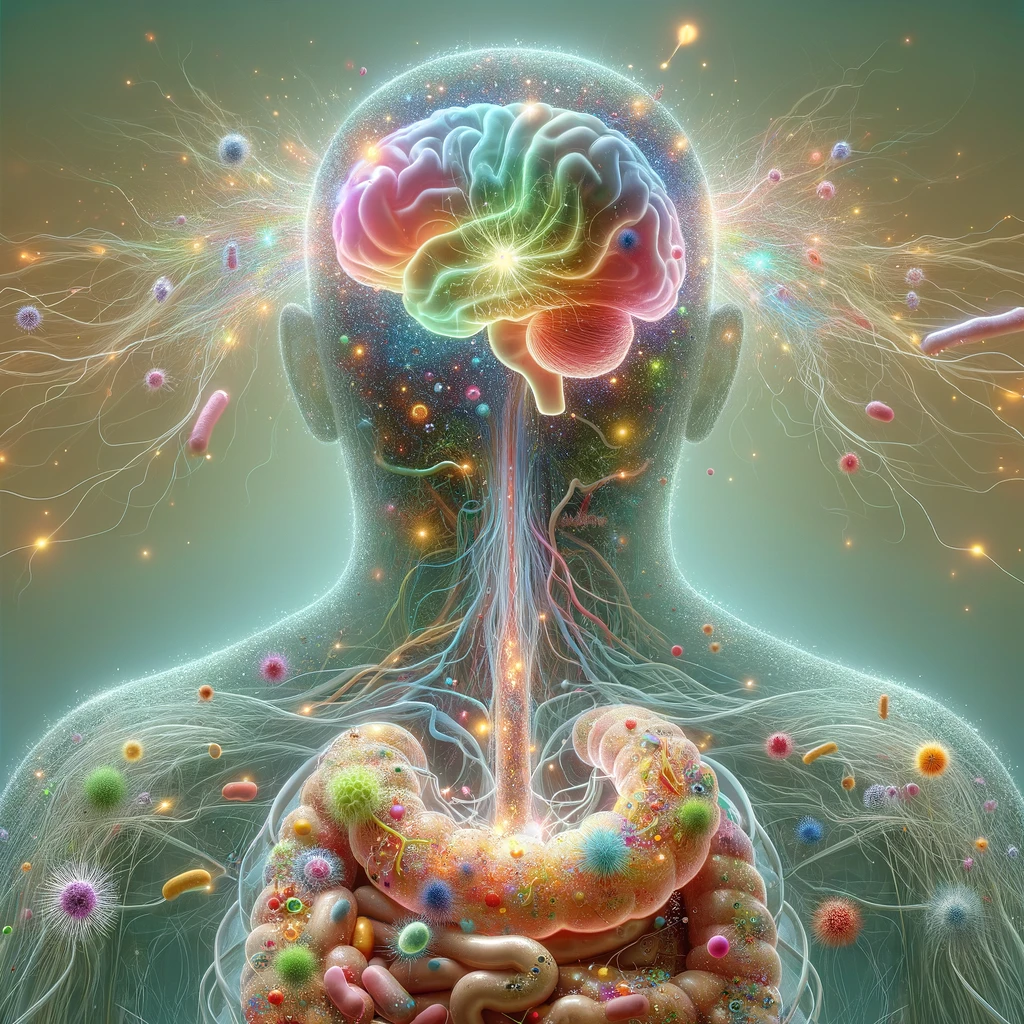
The gut–brain axis has emerged as a key pathway in the pathogenesis of neurodegenerative disorders, particularly in relation to age-related shifts in gut microbiota which may contribute to cognitive decline and the progression of dementia. This systematic review evaluates the effects of microbiota-targeted interventions on cognitive outcomes in adults aged over 45 years who exhibit cognitive impairment or are at risk of dementia.
Through a comprehensive search of databases including PubMed, COCHRANE, CINAHL, Web of Science, and EMBASE, randomized controlled trials and quasi-experimental studies published up to June 2025 were identified. Methodological quality, assessed using the Joanna Briggs Institute Critical Appraisal Checklist, ranged from moderate to high across the studies. A total of 15 studies involving 4,275 participants from Europe, Asia, North America, and the Middle East met the inclusion criteria for analysis.
Interventions analyzed encompassed probiotic supplementation, fecal microbiota transplantation, and dietary strategies such as Mediterranean and ketogenic diets. Cognitive outcomes were assessed using validated tools, including the Mini-Mental State Examination, Montreal Cognitive Assessment, and the Repeatable Battery for the Assessment of Neuropsychological Status. The narrative synthesis revealed that microbiota modulation was associated with significant improvements in memory, executive function, and overall cognition, particularly in individuals with prodromal or mild cognitive impairment. Notably, these benefits were correlated with increased microbial diversity, enhanced short-chain fatty acid production, and a reduction in neuroinflammatory markers. However, the effects of such interventions were limited in cases of advanced Alzheimer’s disease.
In conclusion, gut microbiota modulation presents a promising nonpharmacological approach to support cognitive health, with early intervention appearing essential for optimal benefits. Nonetheless, the observed heterogeneity in study designs and intervention protocols underscores the necessity for large-scale, longitudinal randomized controlled trials to further confirm efficacy and elucidate the underlying biological mechanisms involved. [NPID: neurodegenerative disorders, gut-brain axis, probiotics, fecal transplantation, cognition]
Year: 2026