Linking what we eat to our mood: A review of diet, dietary antioxidants, and depression
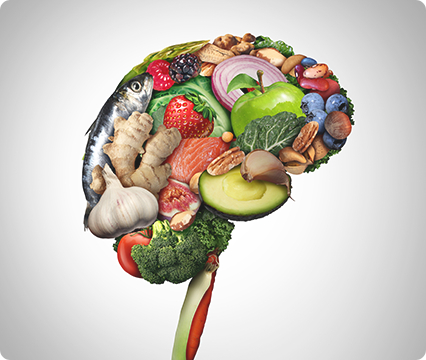
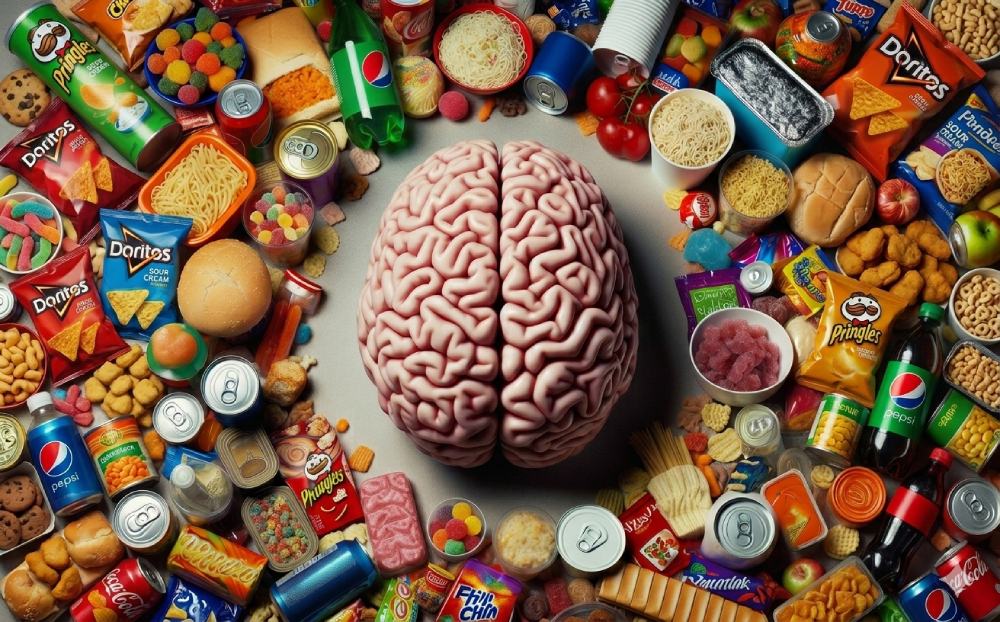
Studies have shown how important nutrition and food are in avoiding and treating depression. This review by Huang et al. (2019) seeks to clarify the connections between dietary patterns, specific foods, and nutrients such as antioxidants and their influence on depression. Foods like fish, fresh vegetables, and fruits and balanced diets like the Mediterranean diet are associated with a lower incidence of depression and its symptoms. Conversely, sugary beverages and Western diets heavy in fat are linked to a higher incidence of depression. Dietary antioxidants, including green tea polyphenols and isoflavonoids, reduce depression and depressive symptoms. The review concludes that diet patterns, specific foods, and antioxidants are vital for the prevention and clinical management of depression. [NPID: Depression, food, dietary pattern, nutrition, oxidative stress, inflammation, cytokine]
Year: 2019
Reference: Huang, Q., Liu, H., Suzuki, K., Ma, S., & Liu, C. (2019). Linking what we eat to our mood: A review of diet, dietary antioxidants, and depression. Antioxidants (Basel, Switzerland), 8(9). https://doi.org/10.3390/antiox8090376
Related Studies
This 2018 study evaluated whether psychological well-being predisposes older adults to eat more fruits and vegetables. The 6,565 participants of the English Longitudinal Study of Ageing were examined over a seven year span to determine their psychological functioning. Boehm (2018) focused on 17 items of CASP-19 including pleasure, self-realisation, and autonomy. From the initial stages, […]
This 2019 review investigated the benefits of dietary patterns and consumption of certain foods on depression. The balanced Mediterranean Diet was found to reduce risk of depressive symptoms, while the Western Diet consisting of more saturated fats and refined sugars would more likely lead to depression by disturbing gut microflora and reducing nutrient absorption. Furthermore, […]
 Navigation