 Navigation


Vitamins as modulators of neurodegenerative disease pathways: Mechanisms and therapeutic perspectives
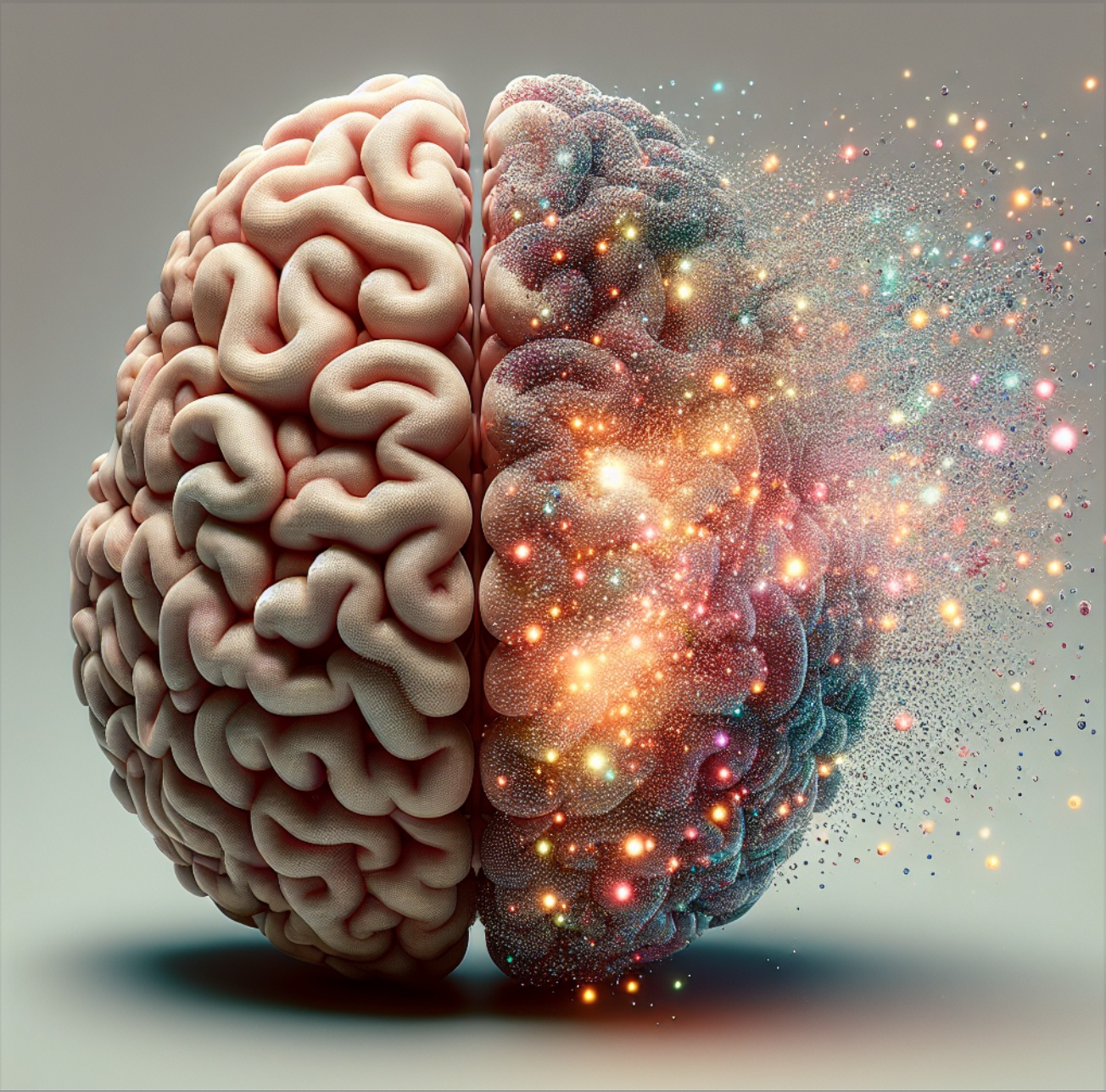
Neurodegenerative diseases, such as Alzheimer’s, Parkinson’s, and amyotrophic lateral sclerosis, pose significant challenges in modern medicine, particularly among individuals over 65 years of age. These conditions not only impair physical functionality but also compromise psychosocial well-being, often resulting in social isolation. A notable factor contributing to the progression of these diseases is metabolic syndrome, prevalent in the elderly demographic.
This review focuses on the neuroprotective roles of specific vitamins, emphasizing their involvement in antioxidant defense, regulation of inflammation, prevention of protein aggregation, neurotransmitter synthesis, and mitochondrial function. It further explores the synergistic interactions between vitamins and coenzyme Q10, which enhance neuroprotective mechanisms.
Vitamin deficiencies can exacerbate oxidative stress and neuroinflammation, thus accelerating disease progression. The analysis includes therapeutic doses of vitamins in relation to recommended dietary intakes and upper tolerable levels. Evidence indicates that personalized vitamin supplementation, when combined with a balanced diet, may serve as a beneficial adjunctive therapy, potentially mitigating disease progression and promoting neuronal integrity. Ultimately, targeted nutritional strategies may enhance the quality of life for patients suffering from neurodegenerative disorders. [NPID: neurodegeneration, Alzheimer’s, Parkinson’s, metabolic syndrome, vitamins]
Year: 2026