Navigation



The physiology of hunger
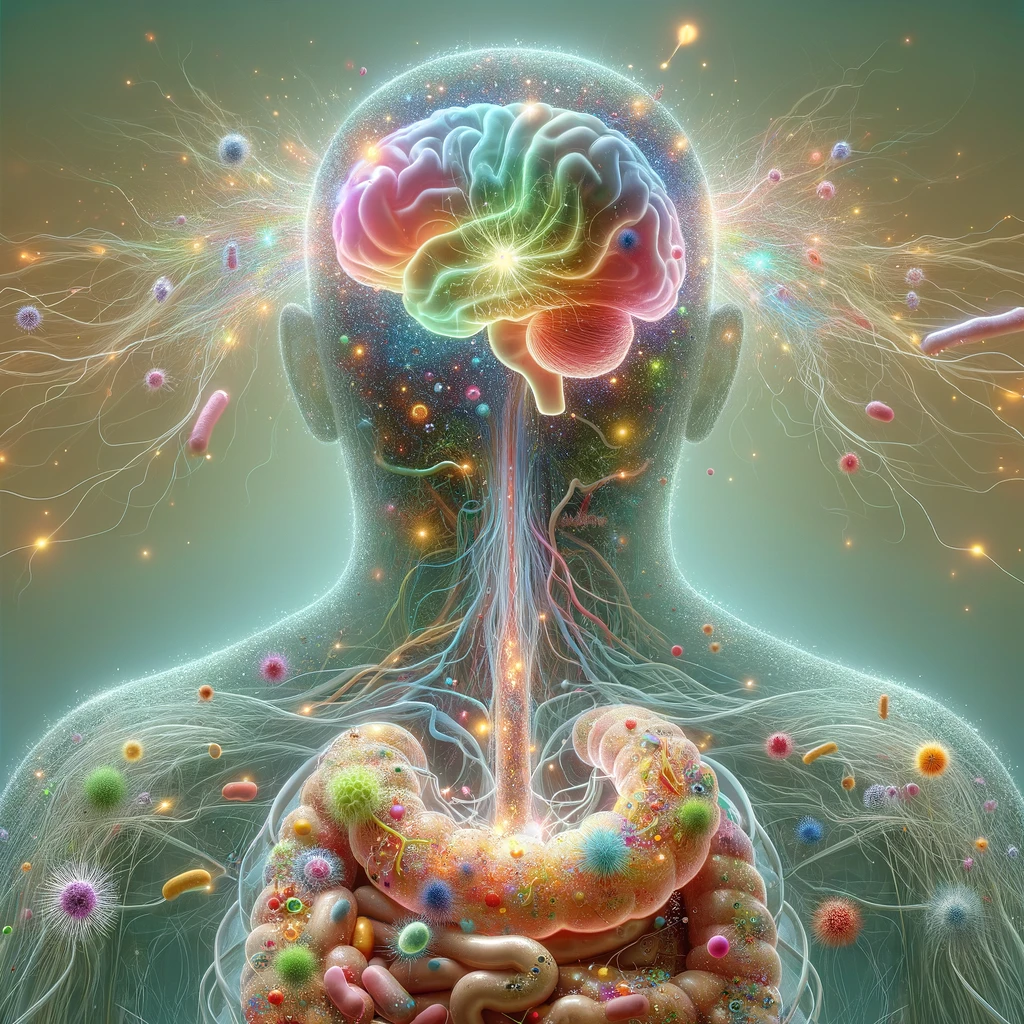
This review examines the multidimensional physiology of hunger through three interconnected pathways: homeostatic, hedonic, and microbiota-driven hunger. Homeostatic hunger responds to energy needs through metabolic, hormonal, and gastrointestinal signals, whereas hedonic hunger is shaped by reward, emotions, sensory cues, learning, and the food environment. The author also reviews emerging evidence that gut microorganisms may influence hunger through appetite-regulating hormones, microbial metabolites, and gut-brain communication, although their precise role in humans remains unclear. The review further discusses how genetic variants and dysregulated hunger and satiety circuitry may contribute to conditions ranging from anorexia nervosa to hyperphagia and obesity. It also considers how advances in the neurobiology of hunger, including GLP-1 receptor agonists, are informing new therapeutic approaches while raising concerns about inappropriate use, particularly among adolescents. Together, these pathways demonstrate that eating behavior extends beyond caloric need and emerges through ongoing interactions among physiological processes, psychological experiences, the gut microbiota, and environmental conditions. Understanding these mechanisms may support more personalized approaches to hunger regulation, metabolic health, and eating-related conditions. [NPID: Homeostatic hunger, hedonic hunger, gut microbiota, gut-brain axis, eating behavior]
Year: 2026