 Navigation



Solitary eating is linked to reduced brain volume in cognitively unimpaired individuals and possible future cognitive decline
Social isolation and poor nutrition are significant risk factors for cognitive decline among older adults. This study investigated the interplay between solitary eating, brain structure, and dietary patterns in a cohort of 727 cognitively normal older Japanese adults (mean age 70.32 years) through MRI and dietary assessments.
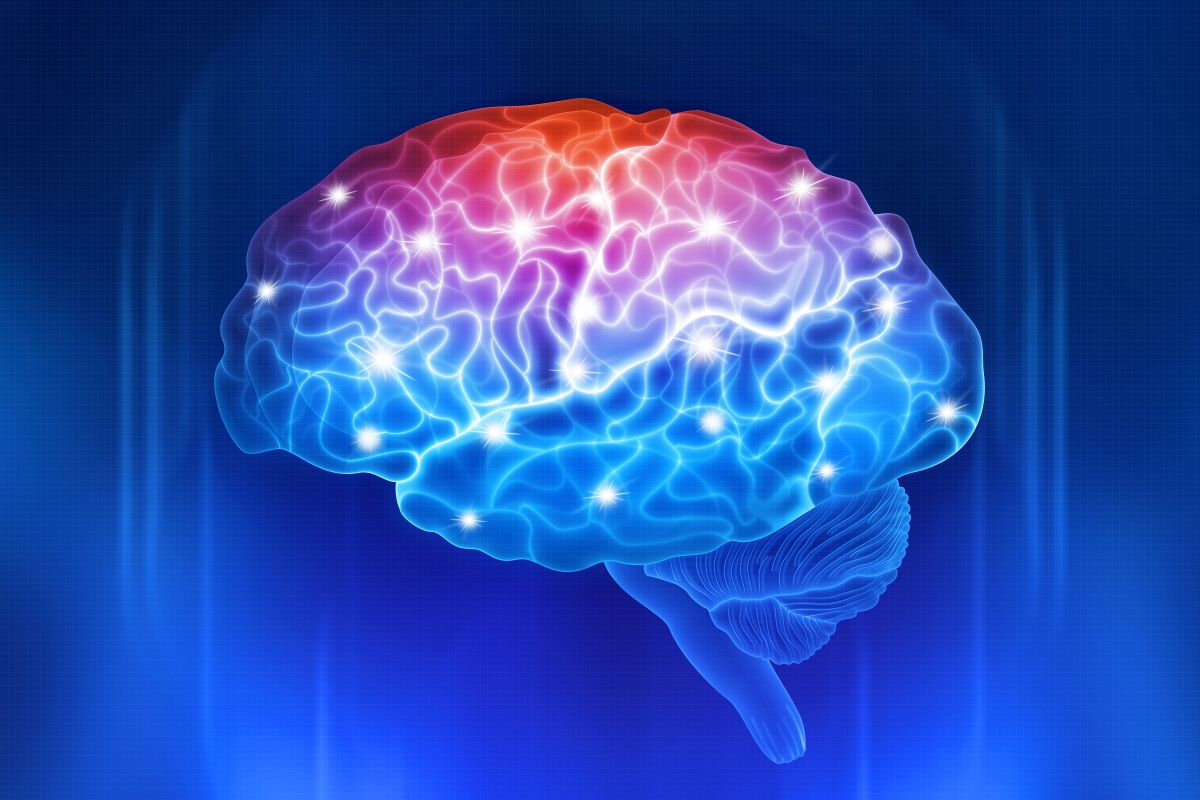
The findings revealed that individuals who frequently eat alone exhibit reduced brain volumes in areas crucial for cognitive function, specifically the medial temporal lobe and hippocampus. Additionally, these solitary eaters displayed less healthy dietary patterns, characterized by increased sugar and alcohol intake alongside decreased consumption of proteins, vitamins, and minerals.
Notably, the analysis indicated that the disparity in hippocampal volume between solitary and social eaters diminished when dietary factors were considered, implying that nutritional aspects are primarily influential in this relationship. Conversely, the difference in medial temporal lobe volume persisted post dietary adjustment, suggesting that factors beyond nutrition, such as diminished social interaction, may impact this brain region.
These results underscore the importance of social eating for preserving brain health in older adults, indicating that both social and nutritional dimensions of eating behavior are essential. The research offers valuable insights for the formulation of strategies aimed at promoting healthy aging through the integration of social and nutritional considerations in dietary practices. [NPID: social isolation, cognition, social eating, brain health]
Year: 2025