 Navigation


Robust hippocampal synaptic plasticity despite gut microbiota depletion in adult mice
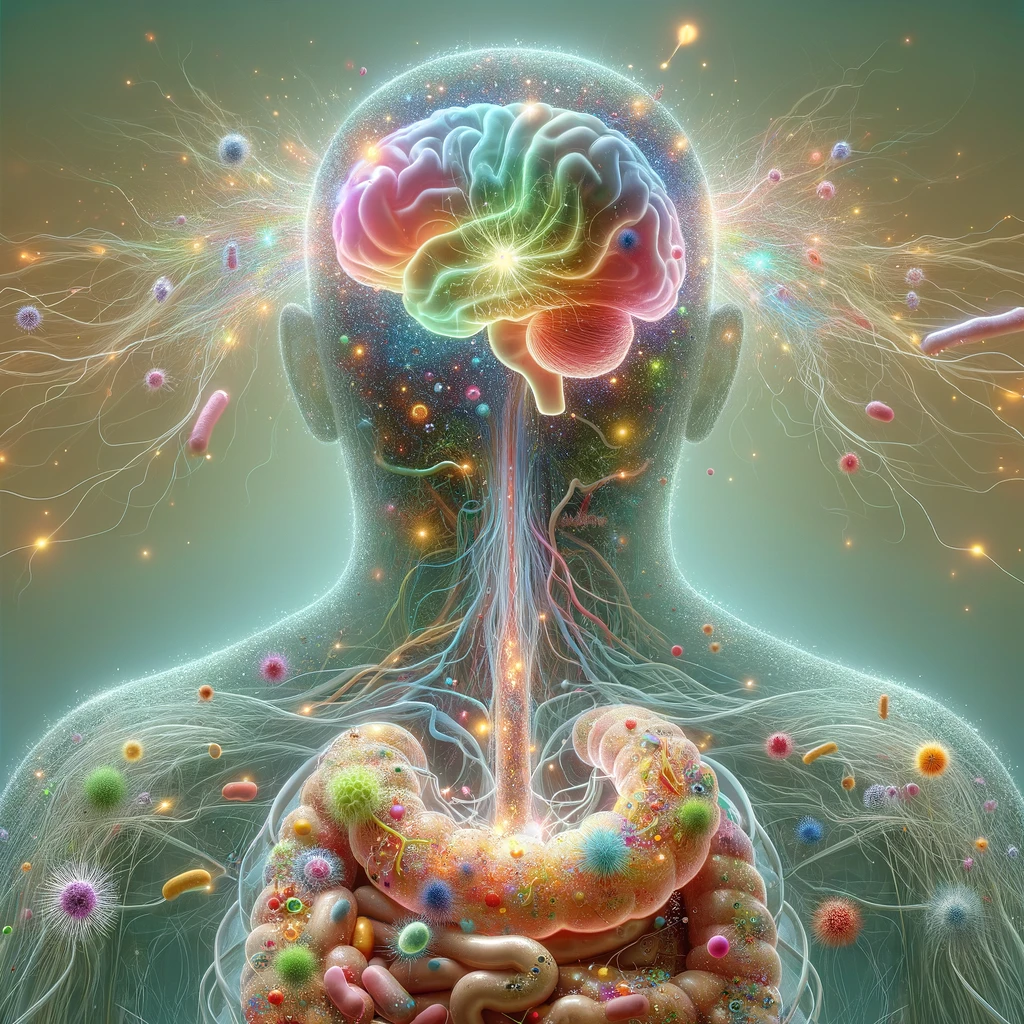
The microbiota-gut-brain axis facilitates bidirectional communication between the brain and gut microbiota, influencing host behavior and brain physiology. This research builds on previous findings indicating sex-specific deficits in hippocampal synaptic plasticity in germ-free mice. To ascertain whether these effects arise during neurodevelopment or can be replicated in adulthood, the study examined the impact of microbiome depletion in male and female mice over a two-week period using either a cocktail of broad-spectrum antibiotics (ampicillin, vancomycin, imipenem) or the targeted antibiotic vancomycin. Following treatment, ex vivo electrophysiological assessments of hippocampal synaptic efficacy, short-term plasticity, and long-term potentiation (LTP) were conducted. Results indicated no significant impact of antibiotic administration on any measured parameters, suggesting that adult hippocampal synaptic circuits exhibit resilience to microbiome depletion. This study underscores the robustness of hippocampal plasticity in response to gut microbiota alterations in adulthood. [NPID: Hippocampal, Microbiota-gut-brain axis, antibiotics, brain]
Year: 2025