Steroids, stress and the gut microbiome-brain axis
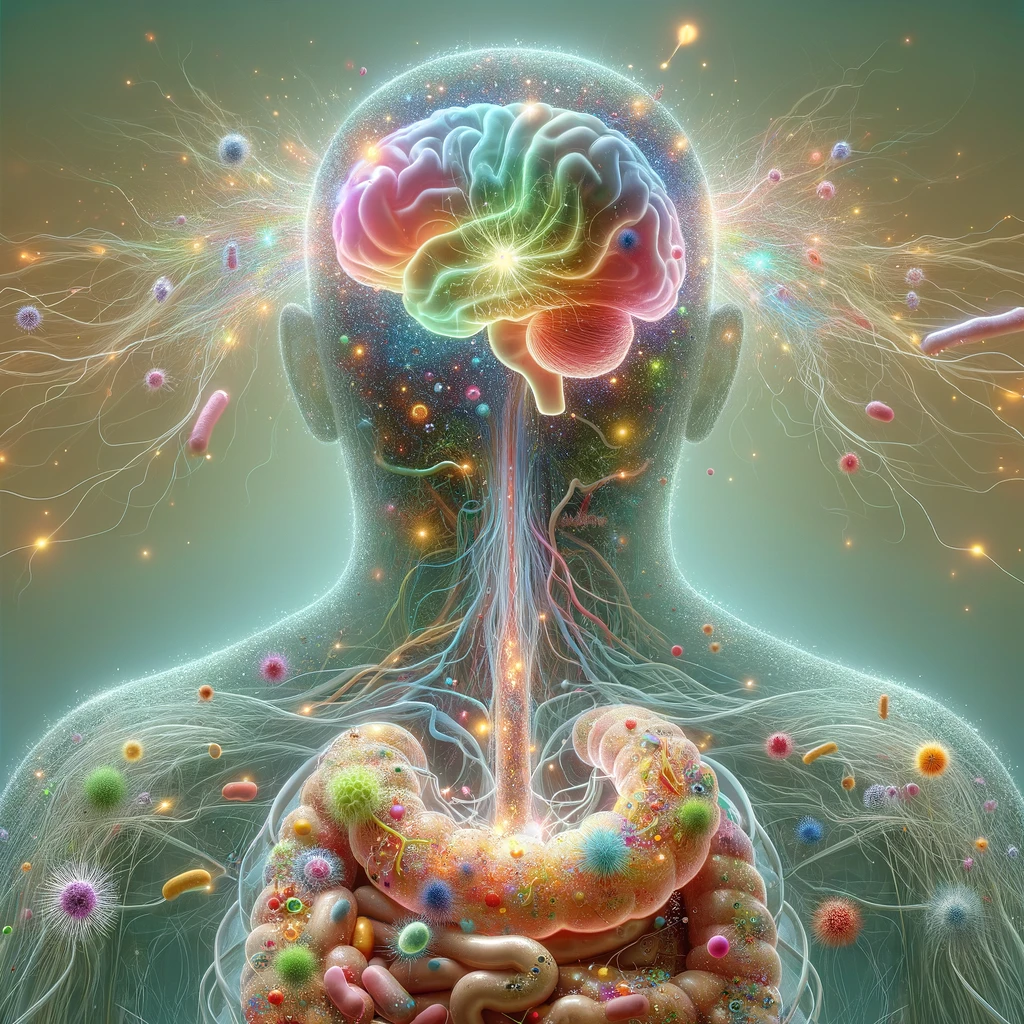
While it is becoming well established that the gut microbiome has a profound impact on human health and disease, this 2018 review explores how steroids can affect gut microbiota, and how the gut microbiota can influence hormone levels, while also examining human studies on the possible role of gut microbiota in depression and anxiety. Within the context of the gut microbiome-brain axis, Tetel et al. (2018) discusses how gut microbiota disturbances can alter the stress axis and behavior. Lastly, the authors present the challenges and the important questions that future studies must address, concerning steroids, stress, gut-brain axis and human health. [NPID: microbiome, MGBA, gut-brain axis, gut microbiome, steroids, depression, anxiety]
Year: 2018
Reference: Tetel, M. J., de Vries, G. J., Melcangi, R. C., Panzica, G., & O'Mahony, S. M. (2018). Steroids, stress and the gut microbiome-brain axis. Journal of neuroendocrinology, 30(2), 10.1111/jne.12548. https://doi.org/10.1111/jne.12548
Related Studies
The role of gastrointestinal dysbiosis and fecal transplantation: This review by Castro-Vidal et al. (2024) underscores the crucial role of the human microbiome in the pathology of neurological and neurodegenerative illnesses, with a particular emphasis on dysbiosis (i.e., imbalance in gut bacteria) that results in gut-brain axis malfunction. Previous studies have linked dysbiosis to conditions […]
This 2019 study highlights the importance of the relationships between probiotics, psychobiotics and cognitive and behavioral processes. Altering these systems may have a big impact on behavior (mood) and cognition (learning and memory). Psychobiotics have been suggested to have crucial roles in affective disorders and the immune system and may also affect neuroimmune regulation in […]
 Navigation