Navigation



Psychosocial factors affecting dietary habits of university students: A cross-sectional study
The transition of university students from living at home to a more independent lifestyle can significantly impact their dietary choices. Understanding how psychosocial factors influence these eating habits is crucial for addressing nutritional challenges faced by this population.
This investigation utilized a cross-sectional design involving 529 students from the University of Sharjah, who completed self-administered questionnaires regarding their dietary practices alongside social and psychological factors. Physical measurements including height and weight were also recorded to gauge participants’ nutritional status.
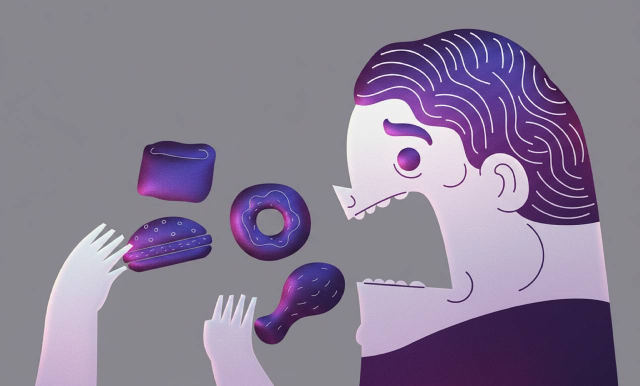
Findings revealed alarming statistics: 37.6% of the participants were categorized as overweight or obese, while 39.1% did not engage in regular physical activity. Daily breakfast consumption was reported by only 45.4% of the respondents. Furthermore, 83.2% consumed less than two liters of water daily, and daily fruit and vegetable intake was minimal, with only 28.7% and 34.0% of participants respectively reaching this dietary benchmark. The prevalence of emotional eating was notably high, with almost 80% admitting to eating out of boredom, 83.7% when feeling happy, and 56.5% when experiencing sadness.
Statistical analysis indicated that certain psychosocial factors significantly correlated with poorer eating habits: unmarried students exhibited lower dietary scores (p = 0.03), those not living with family demonstrated even greater disparities (p < 0.001), as did smokers (p = 0.001), individuals who did not partake in regular exercise (p < 0.001), and those who reported episodes of uncontrollable eating (p = 0.007).
In conclusion, the study emphasizes the substantial role of psychosocial factors in shaping dietary habits among students. To combat these issues, it is recommended that universities implement nutrition education initiatives and health-oriented courses. [NPID: University, overweight, emotions, behavior, UAE]
Year: 2026