 Navigation


From fork to feelings: How foods shape mental health via the microbiota–gut–brain axis
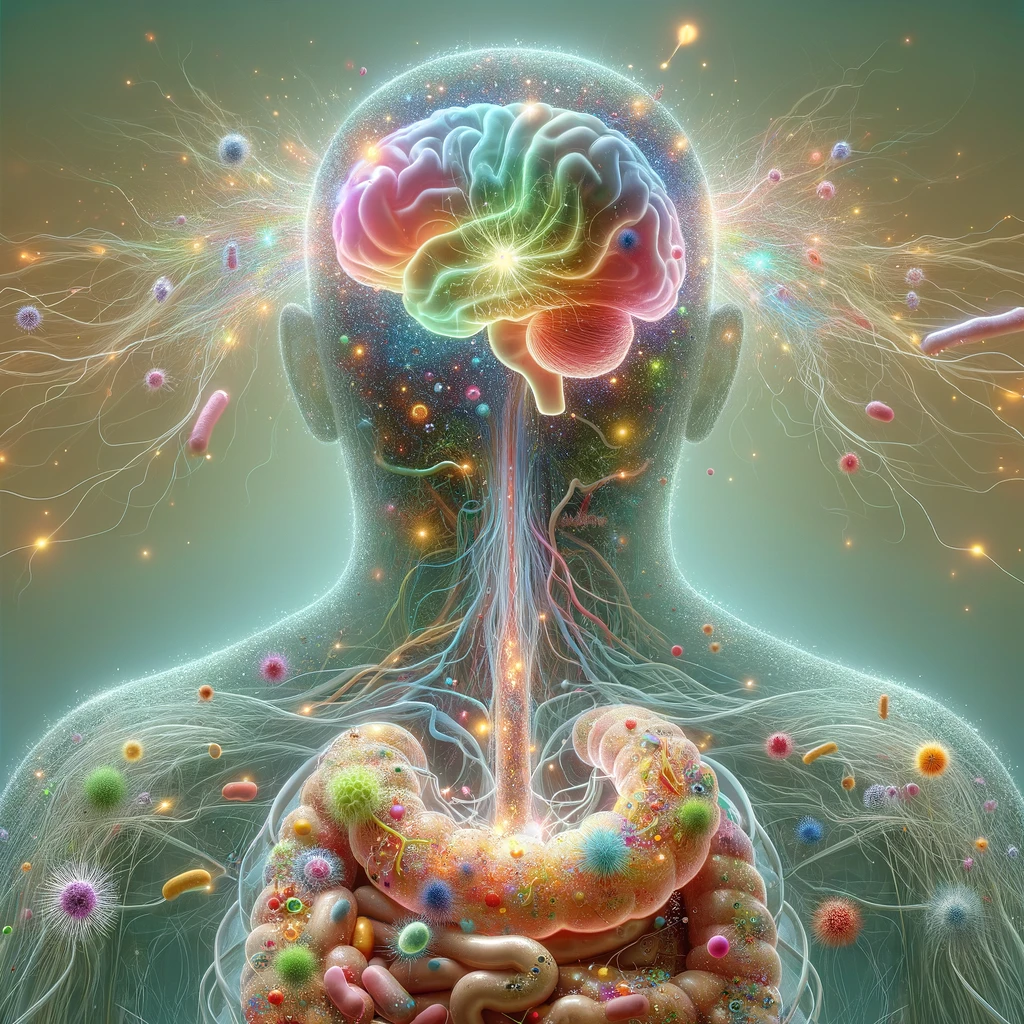
The microbiota–gut–brain axis represents a bidirectional communication system between the gut microbiota and the brain, facilitated by neural, metabolic, immune, and endocrine signals. This axis significantly influences mental health by regulating stress responses, mood, and cognitive functions, and its dysregulation is observed in various psychiatric disorders. While the gut microbiota remains relatively stable during healthy adulthood, it can be modified by lifestyle choices, medications, and dietary patterns, rendering it a potential target for mental health interventions.
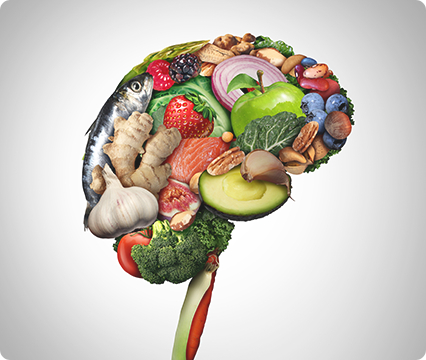
Emerging evidence suggests that diet plays a crucial role in enhancing mental health through the modulation of gut microbiota. Diets characterized by high energy density, saturated fats, and sugars are associated with negative mental health outcomes. In contrast, dietary patterns such as the Mediterranean diet, which is rich in fiber and fermented foods, have shown beneficial effects, potentially due to the provision of essential nutrients and the production of beneficial microbial metabolites, including short-chain fatty acids.
Despite these findings, there remains a critical need for additional human research to address variability and confounding factors that may influence these relationships. Such research is essential to elucidate the underlying mechanisms and to support the development of personalized or precision nutrition approaches in mental health interventions. This review emphasizes the importance of multidisciplinary, rigorous studies on diet, the microbiota, and mental health. [NPID: Microbiota-gut-brain axis, mental health, bidirectional psychiatric]
Year: 2026