 Navigation


Microbial tryptophan metabolites modulate blood-brain and gut barriers in vitro
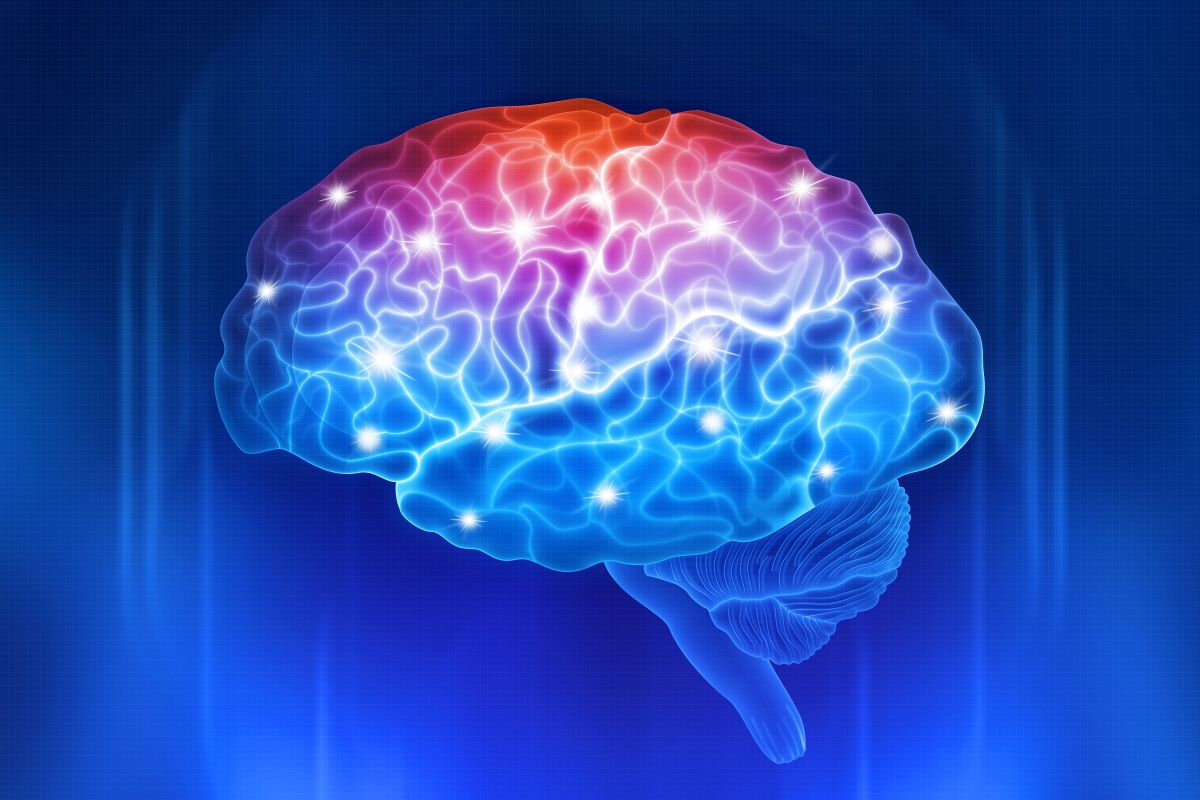
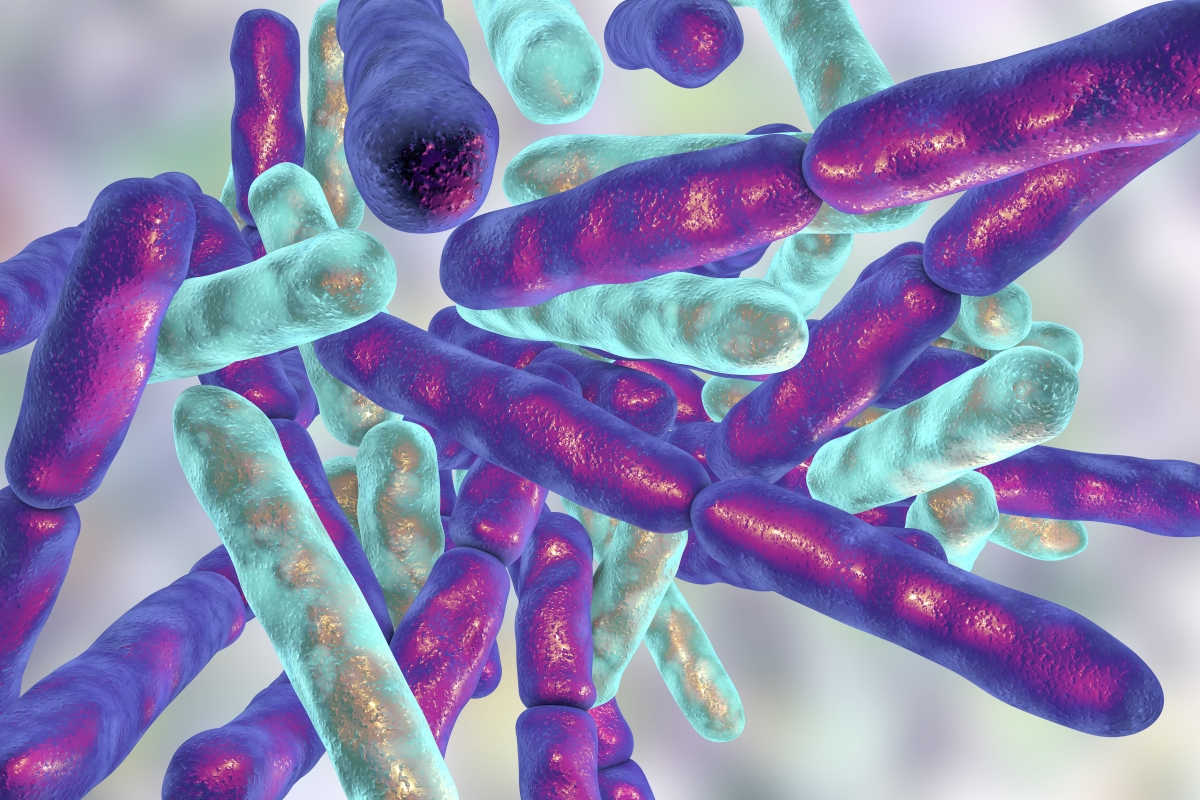
The gut microbiota significantly impacts brain function through the gut-brain axis, although the molecular mechanisms involved remain largely undefined. Central to this interaction are barrier systems, including the epithelial gut barrier and the blood-brain barrier, which facilitate the communication of circulating signals. Microbial metabolites play a crucial role in influencing the integrity of these barriers. In this research, we employed established in vitro models to assess the effects of various stress-associated microbial metabolites, particularly those derived from tryptophan, on the gut and brain barriers, with and without the presence of lipopolysaccharide (LPS) as a disrupting agent. Our results reveal that metabolites such as indole, indole-3-acetate, indole-3-propionate, and tryptamine can modulate barrier integrity in a dose- and cell-type dependent manner. These findings advocate for further investigation into specific indole metabolites as potential novel therapeutic interventions aimed at regulating barrier integrity along the microbiota-gut-brain axis. [NPID: Microbiota, blood-brain barrier, gut barrier, communication, microbial metabolites]
Year: 2025