Navigation


Effects of prenatal iron deficiency on neurological development and related disorders in offspring
Effects of prenatal iron deficiency
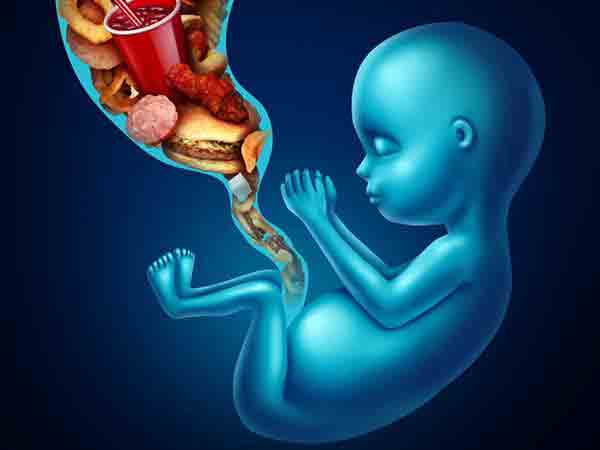
The fetal origins of adult disease hypothesis posits that adverse stimuli during critical developmental phases can compromise fetal organ structure and function, heightening disease susceptibility in later life. Iron is crucial for fetal growth and development, as it facilitates oxygen transport and serves as a cofactor for various enzymes. Fetal iron deficiency (ID) may arise from numerous factors, including insufficient maternal iron intake, maternal obesity, diabetes, smoking, prenatal stress, and alcohol exposure. These factors disrupt fetal brain development, correlating with neurological disorders in offspring such as cognitive impairment, anxiety, depression, schizophrenia, and autism. However, the specific mechanisms through which maternal iron deficiency contributes to abnormal neurological development and subsequent cognitive and psychiatric disorders remain poorly understood. This review elucidates the causes of prenatal iron deficiency, its effects on brain development and behavioral outcomes, and the potential molecular mechanisms underlying these effects.
Year: 2025