Navigation


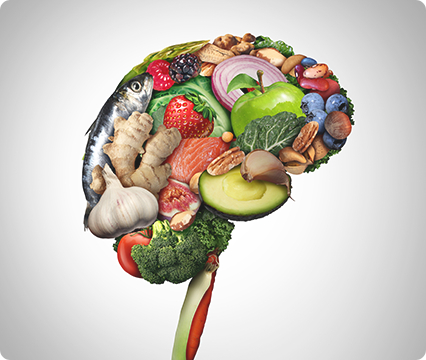
Meta-analysis of 633,317 individuals shows associations between healthy diets and depression, anxiety and stress in 23 low- and middle-income countries
The interplay between dietary quality and mental health is critical, especially in low- and middle-income countries (LMIC) grappling with various health challenges. A recent systematic Evidence and Gap Map has analyzed this relationship, synthesizing findings from over 3,000 records sourced from Medline, CAB Global Health, and PsycINFO, spanning the years 2000 to 2024.
The selection focused on LMIC studies that measured healthy diets using validated dietary indices or factor-analytic techniques. These studies also employed validated screening tools to assess depression, anxiety, and stress, contrasting healthy dietary patterns with unhealthy ones. By applying a three-level meta-analysis with robust variance estimation (RVE), researchers calculated standard mean differences from Hedges’ g and assessed the risk of bias among the selected studies.
In total, the analysis included 83 studies across 23 countries, involving 633,317 unique individuals—69 studies focused on depression, 43 on anxiety, and 26 on stress. The results revealed significant findings: a Standardized Mean Difference (SMD) of -0.29 for depression (95% CI -0.35 to -0.23), -0.25 for anxiety (95% CI -0.35 to -0.16), and -0.24 for stress (95% CI -0.33 to -0.14) when comparing healthy to unhealthy diets. These findings demonstrated robustness even when limited to studies with low risk of bias and were consistent across various study designs, dietary measures, diagnostic approaches, and socio-economic adjustments.
Despite these noteworthy observations, the research highlighted methodological limitations, such as the predominance of cross-sectional studies, and noted that evidence from lower-income nations was sparse, indicating a significant knowledge gap.
In conclusion, evidence suggests that a nutritious diet correlates with reduced symptoms of depression, anxiety, and stress in LMIC. The study advocates developing integrated dietary and mental health approaches tailored to LMIC and similar contexts characterized by health disparities. Moreover, it underscores the need for more longitudinal and intervention-based research in diversified low-income environments beyond just Iran and China. [NPID: Mental health, depression, anxiety, stress, healthy diet, low-income countries]
Year: 2026