Navigation


Association of the Alternative Healthy Eating Index (AHEI-2010) with depression, stress and anxiety among Iranian military personnel
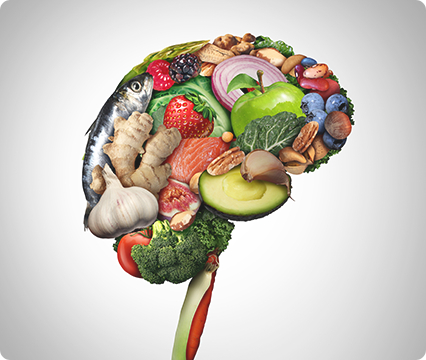
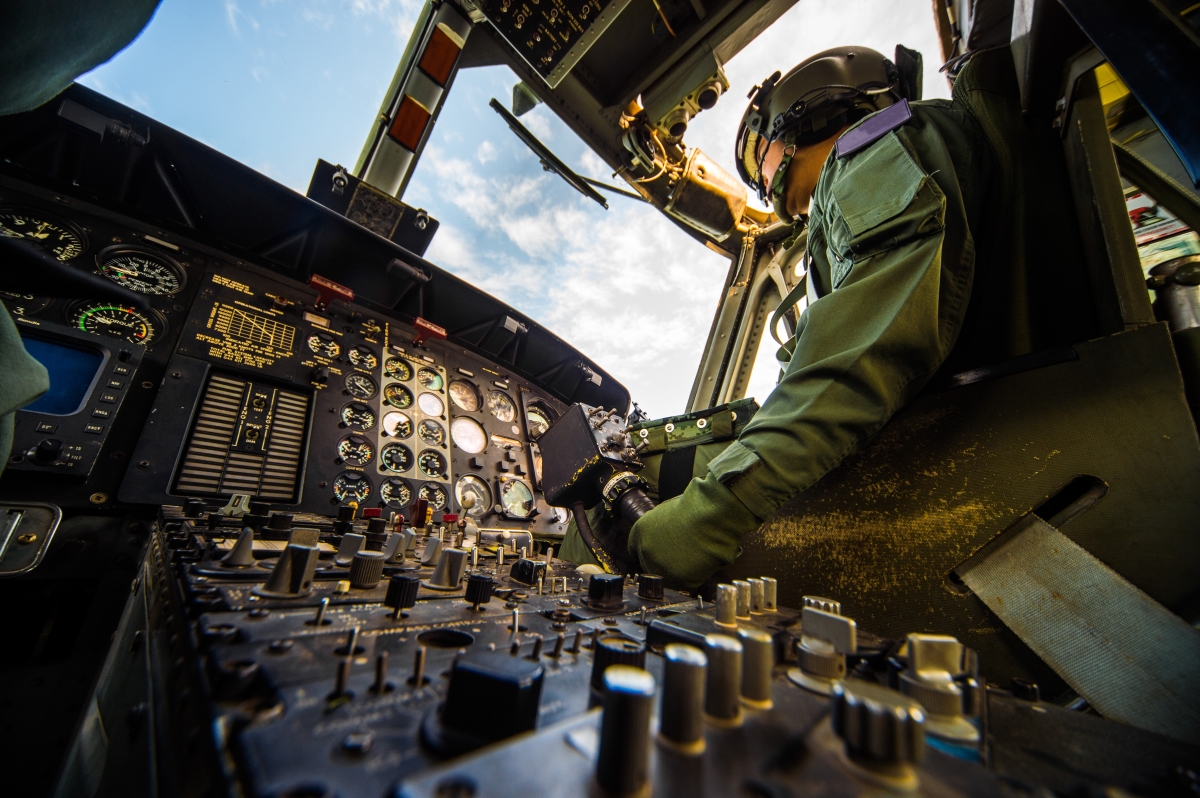
The interplay between nutrition and mental health is particularly crucial in populations such as military personnel, where psychological disorders can impact physical readiness and overall effectiveness. This research sought to explore the correlation between adherence to the Alternative Healthy Eating Index (AHEI-2010) and the incidence of depression, stress, and anxiety among Iranian army soldiers.
In a cross-sectional study involving 246 male soldiers, mental health indicators and dietary habits were evaluated. Specific attention was paid to quantify the prevalence of psychological conditions: the rates of depression, stress, and anxiety among participants were documented at 15.9%, 10.6%, and 27.2%, respectively.
Significant findings emerged regarding dietary adherence. Soldiers exhibiting the highest compliance with the AHEI-2010 experienced an 80% reduction in the odds of depression, with an odds ratio of 0.20 (95% CI 0.04 to 0.78) in comparison to those with the least adherence. Additionally, a similar protective effect was noted concerning anxiety, where adherence to the AHEI-2010 correlated with an odds ratio of 0.28 (95% CI 0.05 to 0.95). However, no noteworthy association was identified between adherence to the AHEI-2010 and levels of stress.
These results indicate an inverse relationship between adherence to the AHEI-2010 and the likelihood of experiencing depression and anxiety among military personnel. The results emphasize the potential for dietary interventions in mitigating mental health issues. Further research is warranted to deepen the understanding of these associations. [NPID: Alternative Healthy Eating Index; anxiety; depression; military personnel; stress]
Year: 2026