 Navigation



The association between gut microbiota and cognitive decline: A systematic review of the literature
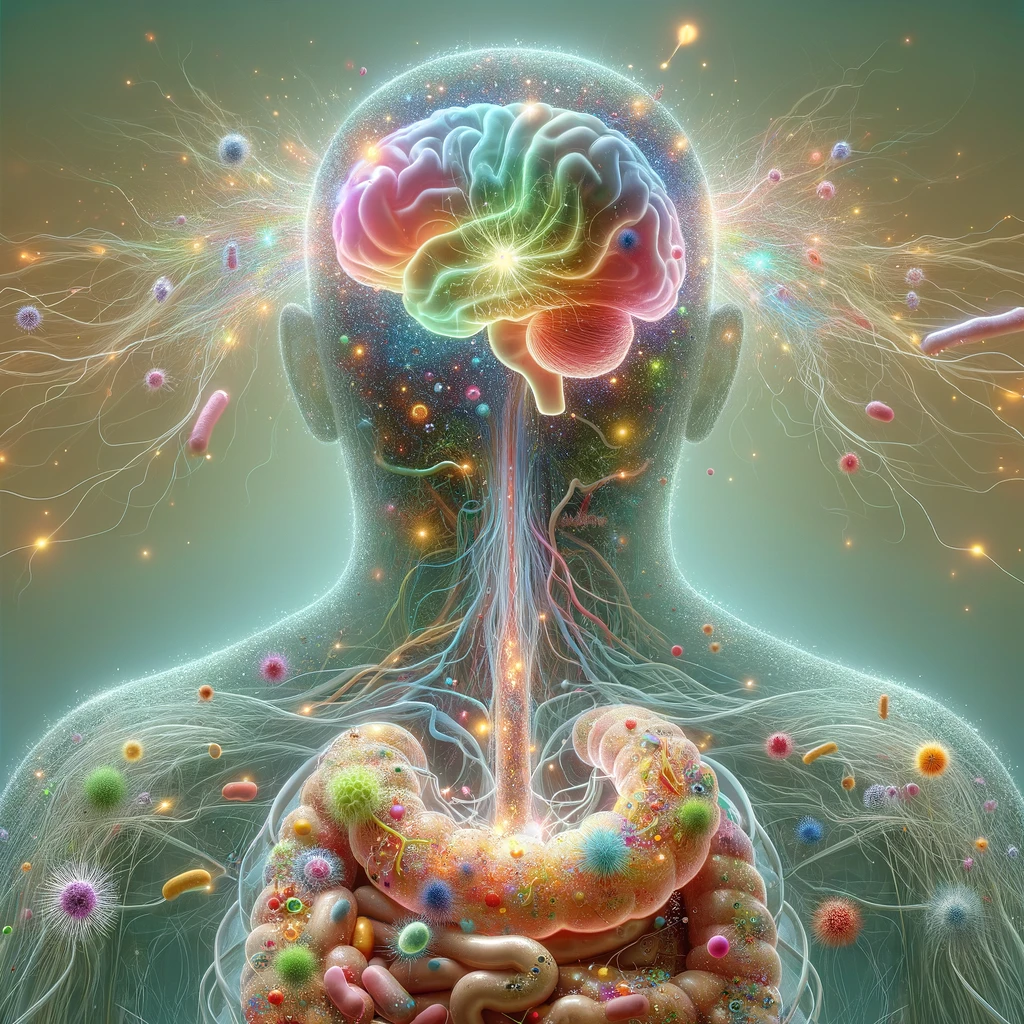
This systematic review investigates the relationship between gut microbiota and cognitive decline, particularly in individuals aged over 45 years with cognitive impairment or at risk of dementia. The review synthesizes findings from randomized controlled trials and quasi-experimental studies published until June 2025, focusing on interventions such as probiotics, faecal microbiota transplantation (FMT), and dietary changes.
A total of 15 studies, including 4,275 participants from diverse geographical regions, were included. Results indicate that interventions such as the Mediterranean and ketogenic diets, along with probiotic supplementation and FMT, significantly improved cognitive outcomes, including memory and executive function, particularly in early cognitive impairment. The observed cognitive benefits were linked to increased microbial diversity, enhanced production of short-chain fatty acids (SCFAs), and reduced neuroinflammation.
However, the effects were minimal in individuals with advanced Alzheimer’s disease. Thus, modulation of the gut microbiota presents a promising non-pharmacological strategy for supporting cognitive function, with early intervention crucial for optimizing outcomes. The review calls for further large-scale, longitudinal randomized controlled trials to validate these findings and explore the underlying mechanisms. [NPID: Gut microbiota, cognitive decline, probiotics, faecal microbiota transplanation, diet, short-chain fatty acids, neuroinflammation]
Year: 2026