Navigation


Psychobiotic strategies for managing anxiety, depression, and schizophrenia: a narrative review
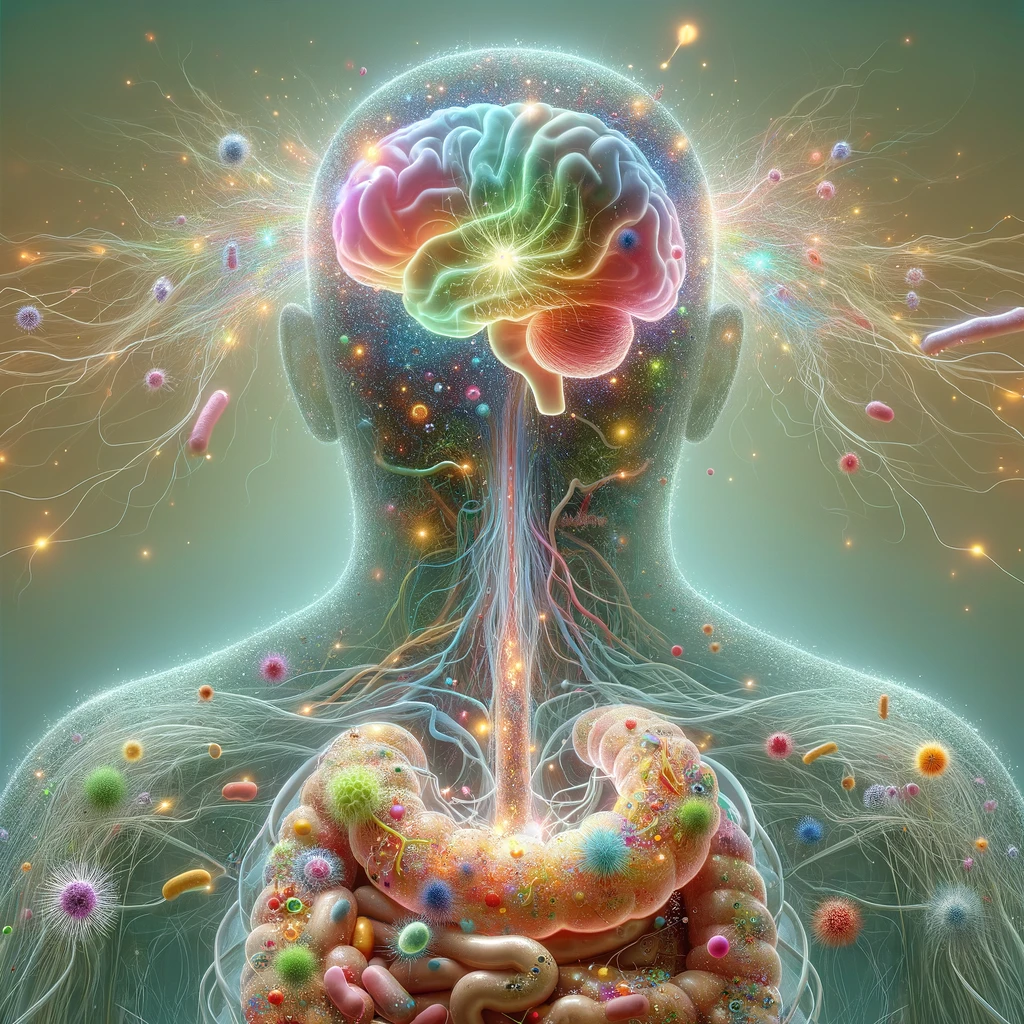
The connection between mental health and the gut microbiome has gained increasing attention in recent research. This relationship is facilitated by the gut–brain axis, a bidirectional communication system that impacts mental well-being. Disruptions in microbial diversity within the gut are linked to various neuropsychiatric disorders, including anxiety, major depressive disorder (MDD), and schizophrenia.
Recent advancements have introduced psychobiotics as a potential supplementary approach for enhancing mental health. These probiotics act through multiple mechanisms, including modulating neurotransmitter levels, regulating immune responses, producing short-chain fatty acids, and stabilizing the hypothalamic–pituitary–adrenal axis. This comprehensive review targets healthcare professionals and researchers in integrative and functional medicine, summarizing the clinical and translational evidence related to probiotic treatments for anxiety, MDD, bipolar disorder, and schizophrenia.
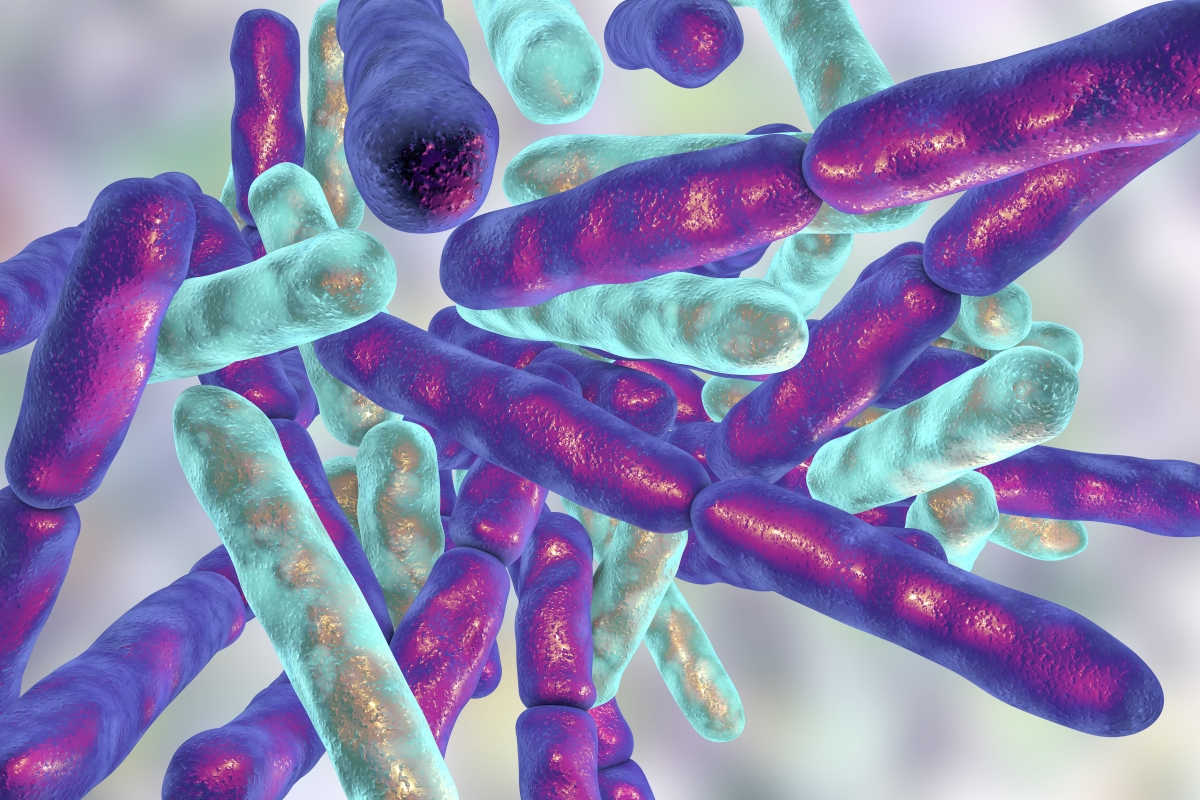
This review highlights specific strains of Lactobacillus and Bifidobacterium that have shown effectiveness in lowering symptoms of anxiety and depression. Furthermore, emerging evidence suggests these probiotics may also be beneficial in psychotic disorders. However, researchers note that inconsistencies in strain selection, dosing protocols, study populations, and outcome assessments present substantial obstacles to translating these findings into clinical practice.
To advance the field, future studies should focus on establishing standardized protocols, conducting longitudinal research, and utilizing functional microbiome profiling. Such efforts will aid in developing personalized, microbiome-informed strategies for mental health treatment. [NPID: Psychobiotics, mental health, schizophrenia, bipolar, microbial diversity, neuropsychiatric, gut microbiome, gut-brain axis]
Year: 2026