Navigation


The microbiome and eating disorders: A new framework at the interface of interoception and reward
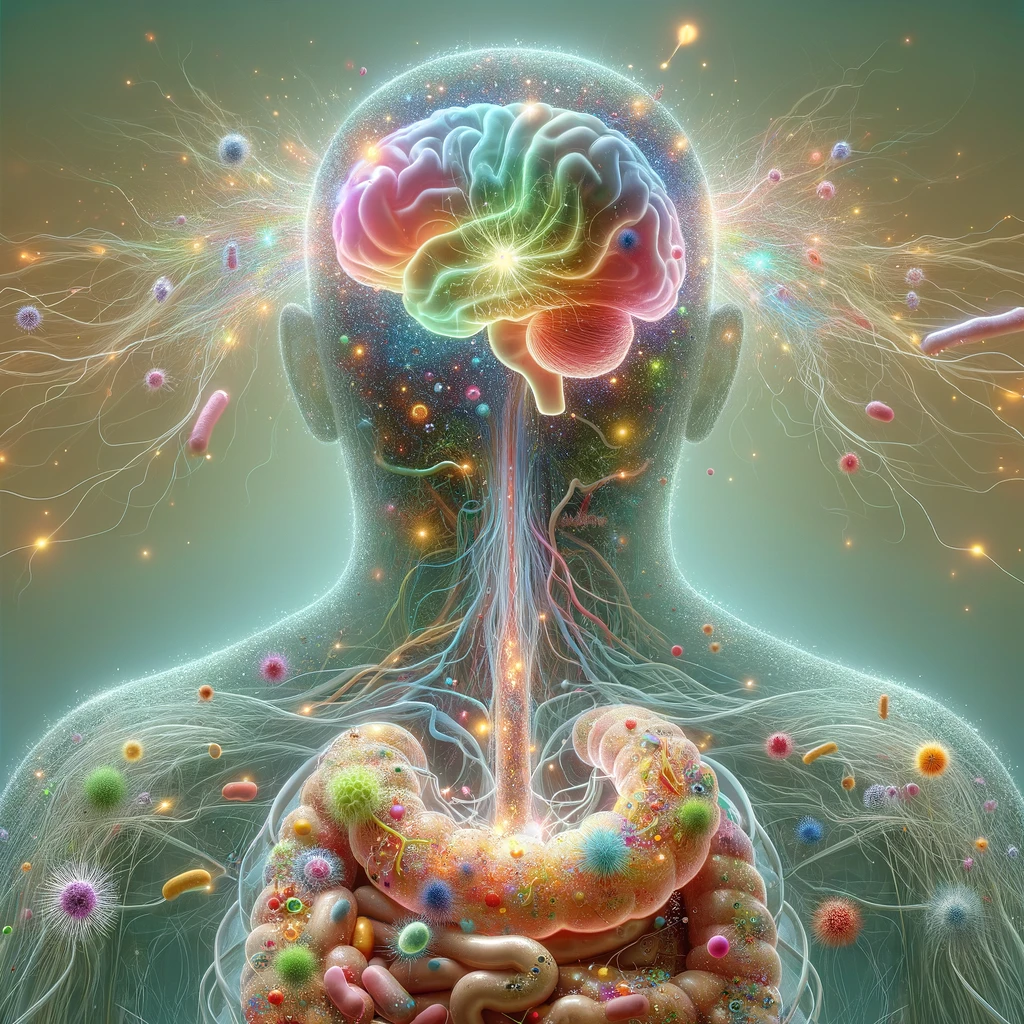
Accumulating evidence suggests that the gut microbiome can modulate brain processes and behaviors relevant to eating behavior and reward signaling through the dynamic communication pathways of the microbiota-gut-brain axis. Altered gut microbial composition has been linked to disordered eating patterns, implicating the gut microbiome as both a potential mechanism underlying eating disorders and a target for therapeutic intervention.
This review synthesizes preclinical and clinical research to propose an integrated framework wherein the gut microbiome, interoception, and reward circuits interact to shape disordered eating behaviors. It explores how microbial signals modulate homeostatic and reward feeding systems via vagal afferents, neurotransmitter modulation, and immune-neural pathways, converging in brain regions implicated in reward systems and interoception. The interactions in under- and over-eating phenotypes of disordered eating are emphasized.
The therapeutic potential of microbiota-targeted interventions to address dysregulations in interoception and reward signaling induced by eating disorders is discussed. The evidence suggests a paradigm shift in understanding the etiology of eating disorders, considering dysregulations of gut microbiota and their effects on reward processing and interoceptive signaling. It is proposed that eating disorders are underpinned by these dysregulations rather than neurobehavior alone. The integrated and transdiagnostic framework presented could represent a conceptual shift in the understanding of eating disorders, providing new neurobiological targets for intervention. [NPID: microbiota gut-brain axis, gut microbiome, eating disorders, interoception, reward circuits]
Year: 2026