Navigation
  • Nutritional psychology
    • Home
    • What is Nutritional Psychology
    • Training in NP
    • About CNP
    • Meet the Team
    • NP FAQs
  • Education
    • Programs
    • Certificates
    • Courses
      • Overview
      • NP 110
      • NP 120
        • NP 120 Part I
        • NP 120 Part II
      • NP 150
        • NP 150 Part I
        • NP 150 Part II
      • NP 300
        • NP 310
        • NP 320
      • NP 500
        • NP 510
        • NP 550
    • Micro-Degree
    • Course Scholarships
    • Learner Login
  • RESEARCH LIBRARY (NPRL)
    • Library Intro
    • Adult Population
    • Youth Population
      • Child and Adolescent
      • Neurodevelopmental
      • Maternal
      • Cooking
    • Membership
  • Resources
    • CNP Resources
      • Events
      • CNP News
      • Videos
      • Books
      • Reports
    • Encyclopedia
    • CNP Articles
    • Related Resources
    • Newsletter
  • Get Involved
    • Donate
    • Advocate
      • Introduction
      • Students
      • Professionals
      • Educators
      • Organization Advocacy
      • General
    • Be a Contributor
    • Faces of Nutritional Psychology
      • Faces Home
      • Personal Stories
      • Submission Guidelines
    • Newsletter
    • Research Announcement
  • Membership
    • Introduction
    • LOGIN
  • Contact
  • MEMBER LOGIN
  • STUDENT LOGIN
  • Nutritional psychology
    • Home
    • What is Nutritional Psychology
    • Training in NP
    • About CNP
    • Meet the Team
    • NP FAQs
  • Education
    • Programs
    • Certificates
    • Courses
      • Overview
      • NP 110
      • NP 120
        • NP 120 Part I
        • NP 120 Part II
      • NP 150
        • NP 150 Part I
        • NP 150 Part II
      • NP 300
        • NP 310
        • NP 320
      • NP 500
        • NP 510
        • NP 550
    • Micro-Degree
    • Course Scholarships
    • Learner Login
  • RESEARCH LIBRARY (NPRL)
    • Library Intro
    • Adult Population
    • Youth Population
      • Child and Adolescent
      • Neurodevelopmental
      • Maternal
      • Cooking
    • Membership
  • Resources
    • CNP Resources
      • Events
      • CNP News
      • Videos
      • Books
      • Reports
    • Encyclopedia
    • CNP Articles
    • Related Resources
    • Newsletter
  • Get Involved
    • Donate
    • Advocate
      • Introduction
      • Students
      • Professionals
      • Educators
      • Organization Advocacy
      • General
    • Be a Contributor
    • Faces of Nutritional Psychology
      • Faces Home
      • Personal Stories
      • Submission Guidelines
    • Newsletter
    • Research Announcement
  • Membership
    • Introduction
    • LOGIN
  • Contact
Login
MEMBER LOGIN STUDENT LOGIN
Polyunsaturated Fatty Acids and Mental Health

Polyunsaturated Fatty Acids and Mental Health (Adult Population)

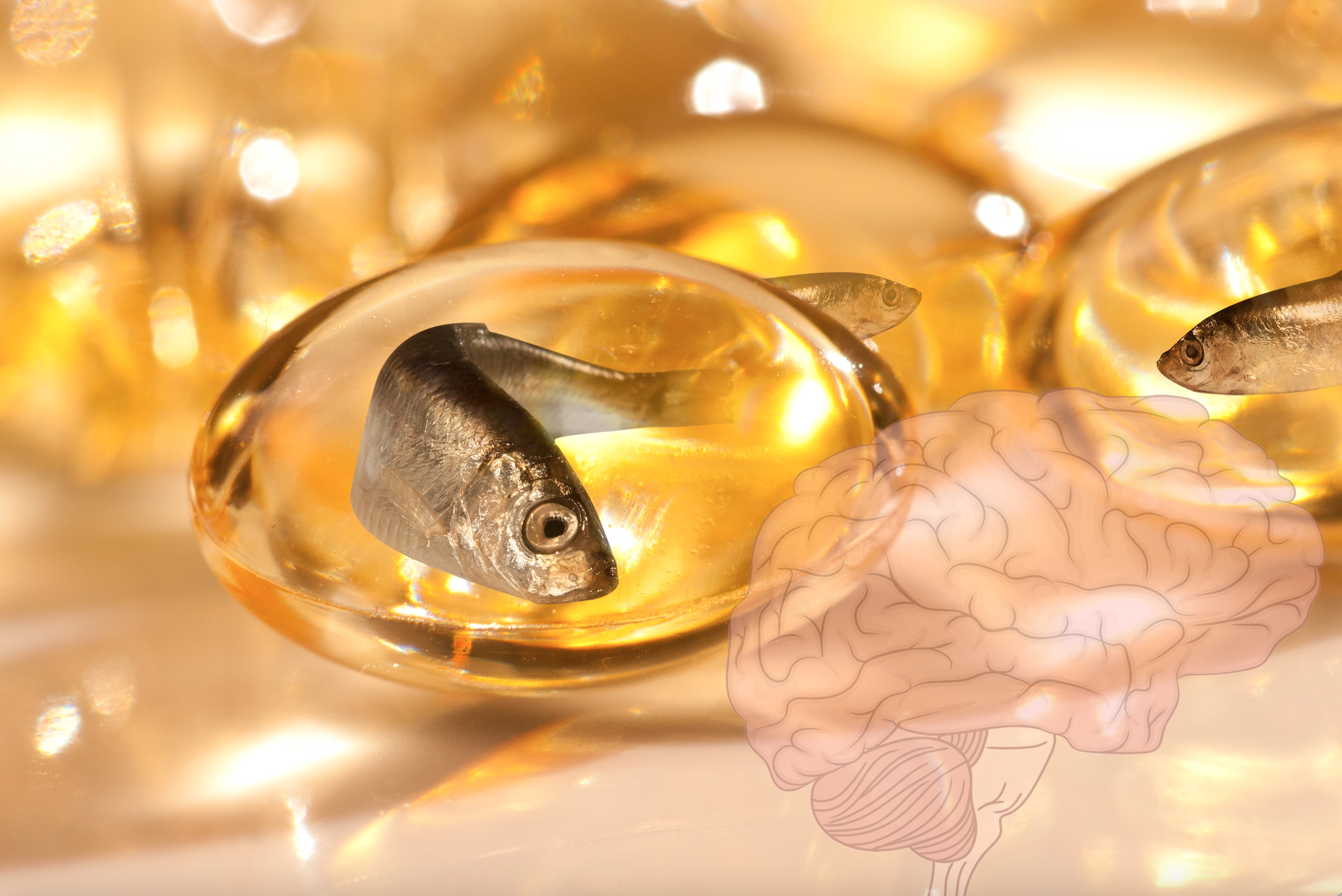
The CNP Polyunsaturated Fatty Acids and Mental Health Research Category consolidates research exploring the current evidence base to support the connection between polyunsaturated fatty acid intake and brain, psychological, and clinical mental health. To view each original study on the open internet, click “Original.” To view the CNP-written abstract summary, click “CNP Summary.” While only some CNP-written abstract summaries are available below for free, all are available to CNP members through the CNP Library Membership.

Fish oil ameliorates neuropsychiatric behaviors and gut dysbiosis by elevating selected microbiota–derived metabolites and tissue tight junctions in rats under chronic sleep deprivation

  • Karim Maghraby, M.B.B.Ch, M.Sc, Director
  • 24 February 2022
  • Reviewed By CNP STAFF

Coming Soon.

Year: 2019

Reference: Tung, T. H., Tung, Y. T., Lin, I. H., Shih, C. K., Nguyen, N., Shabrina, A., & Huang, S. Y. (2019). Fish Oil, but Not Olive Oil, Ameliorates Depressive-Like Behavior and Gut Microbiota Dysbiosis in Rats under Chronic Mild Stress. Biomolecules, 9(10), 516. https://doi.org/10.3390/biom9100516

Share this post:

Related Studies

Omega-3 fatty acids for Major Depressive Disorder with high inflammation: A randomized dose-finding clinical trial

  • Karim Maghraby, M.B.B.Ch, M.Sc, Director
  • 24 February 2022
  • Reviewed By CNP STAFF

In order to examine the effects of eicosapentaenoic acid (EPA) at three different dosages vs placebo on inflammatory biomarkers and depressed symptoms, Mischoulon et al. (2022) conducted this study. Sixty-one adults who were not taking medication (75% female; average age 45.5 ± 13.8 years), had a body mass index over 25 kg/m2, were diagnosed with […]

Omega-3 supplementation lowers inflammation and anxiety in medical students: A randomized controlled trial

  • Karim Maghraby, M.B.B.Ch, M.Sc, Director
  • 24 February 2022
  • Reviewed By CNP STAFF

Several studies have demonstrated the link between inflammation, depression, lower omega-3 (n-3) polyunsaturated fatty acids (PUFAs), and higher omega-6 (n-6) PUFAs levels, however, the evidence from randomized control trials (RCTs) remains unclear. In their works, Kiecolt-Glaser et al. (2011) examined 68 medical students to understand if n-3 supplementation reduced proinflammatory cytokine production and symptoms of […]

Recent Articles

  • Higher ultra-processed food intake is associated with slightly higher dementia risk

    Higher ultra-processed food intake is associated...

    May 26 2026
  • Healthier Diets are Associated with Better Mental Health in Adolescents

    Healthier Diets are Associated with Better...

    April 27 2026
  • Consuming lots of flavonoid-rich foods is linked with feeling happy and optimistic

    Consuming lots of flavonoid-rich foods is...

    March 31 2026

SUPPORT THE FIELD

CNP is a non-profit that relies on our small team of staff and our many dedicated volunteers.

If you find nutritional psychology meaningful, please consider supporting our mission in one of the following ways:

Donate Advocate

We would also love to connect with you on social media!

  • Home
  • Our Mission
  • NP Libraries
  • Advocate
  • FAQ
  • Donate
  • Terms of Use
  • Privacy Policy
Copyright © 2026 The Center for Nutritional Psychology. A registered 501(c)(3) non-profit organization. Contact us: info@nutritional-psychology.org
By using this website, you accept and agree to our Terms of Use and Privacy Policy. The reproduction and/or use of logos, diagrams, or
written content found on this site without explicit permission from the CNP Board of Directors is strictly prohibited.
avatar

Stay Informed

Subscribe to our monthly NEWSLETTER for the latest information on nutritional psychology courses and developments within CNP.
Quarterly Newsletter
Weekly News in Nutritional Psychology
We use cookies to ensure that we give you the best experience on our website. If you continue to use this site we will assume that you are happy with it.