Navigation



Association of dietary phytochemical index (DPI) with psychological disorders and serum levels of adropin and brain-derived neurotrophic factor in Iranian adults
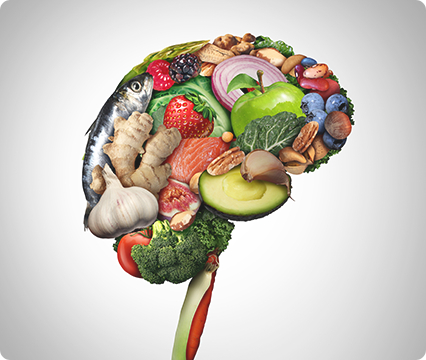
The correlation between dietary phytochemical index (DPI) and psychological disorders remains complex, as suggested by previous research findings. This study aimed to elucidate this relationship, especially in the context of two crucial hormones, adropin and brain-derived neurotrophic factor (BDNF), which are known to influence mental health.
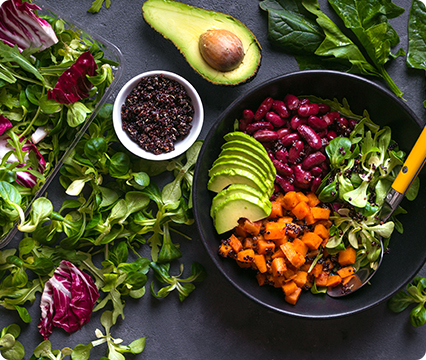
Conducted with a sample of 533 Iranian adults, including 246 females, the study used a comprehensive 168-item food frequency questionnaire to assess dietary habits. The DPI was calculated as the proportion of energy intake from foods rich in phytochemicals. Psychological symptoms, specifically depression and anxiety, were evaluated using the Persian version of the Hospital Anxiety and Depression Scale (HADS), while general distress levels were assessed via the Persian version of the General Health Questionnaire (GHQ). In addition, fasting blood samples were collected to measure adropin and BDNF levels.
The results indicated that participants in the highest DPI tertile experienced significantly lower odds of depression (OR multi-adjusted = 0.43, 95% CI: 0.24–0.80), anxiety (OR multi-adjusted = 0.18, 95% CI: 0.05–0.68), and general distress (OR multi-adjusted = 0.45, 95% CI: 0.28–0.74) compared to those in the lowest tertile. Further stratified analyses revealed that males also exhibited significant reductions in the odds of distress (OR multi-adjusted = 0.43, 95% CI: 0.21–0.90). Notably, participants classified as overweight or obese had a marked decrease in depression (OR multi-adjusted = 0.32, 95% CI: 0.16–0.67) and distress (OR multi-adjusted = 0.49, 95% CI: 0.27–0.88) odds, while normal-weight individuals showed lower odds of anxiety (OR multi-adjusted = 0.04, 95% CI: 0.01–0.67).
However, the analysis found no significant correlations between the levels of adropin or BDNF and either the DPI or psychological disorders. This indicates that while a higher intake of phytochemicals correlates with reduced odds of depression, anxiety, and distress, adropin and BDNF levels do not appear to play a role in these relationships. [NPID: Phytochemical Index (DPI), brain-derived neurotrophic factor (BDNF), depression, phytonutrients, distress]
Year: 2026