Navigation


Prospective associations between dietary risk factors and depressive symptoms: results from the NutriNet-Brasil cohort
With depressive disorders affecting over 280 million individuals globally, they rank as a primary cause of disability. Notably, while the Global Burden of Disease study has recognized significant dietary exposures associated with health outcomes, it has yet to establish links between these dietary factors and mental health. This gap prompted the creation of the Global Burden of Disease Lifestyle and Mental Disorder Taskforce to explore the relationships between diet and mental health, particularly the influence of ultra-processed foods.
This research aimed to evaluate the prospective associations between dietary habits and the onset of depressive symptoms among Brazilian adults enrolled in the NutriNet Brasil Cohort study. Analyzing data from 18,033 individuals who were free from depression at the beginning of the study, researchers obtained dietary intake information through two web-based 24-hour recalls (Nova24h). The dietary exposures considered included various food groups and nutrients outlined by the GLAD project. The presence of depressive symptoms was tracked using the PHQ-9 scale (where scores of ≥9 indicated depressive symptoms) across a follow-up period of 31 months. Cox proportional hazard models, adjusted for potential confounding factors, were employed for the analysis.
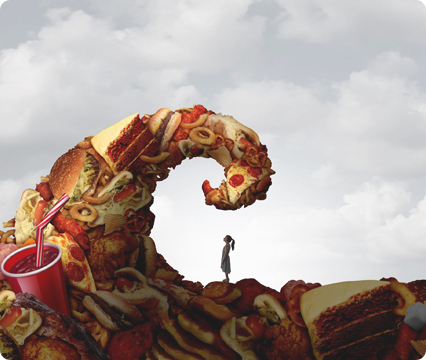
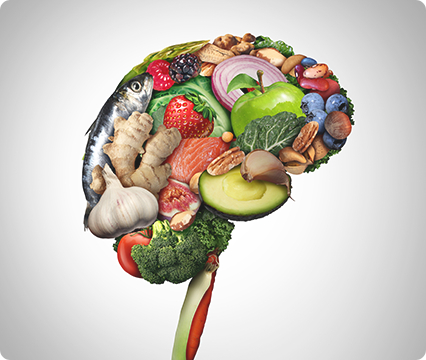
During the follow-up period, 3,590 participants reported developing depressive symptoms. The findings showed that increased consumption of fruits, vegetables, legumes, whole grains, nuts and seeds, unprocessed or minimally processed whole plant foods, dietary fiber, and calcium was inversely correlated with depressive symptoms, with reductions in risk ranging from 4% to 8%. In contrast, higher intakes of processed meats, sugar-sweetened beverages, ultra-processed foods, sodium, and trans fatty acids were associated with an elevated risk of developing depressive symptoms, indicating increases from 6% to 21% in risk levels. These results were consistent across various sensitivity analyses.
The conclusions drawn from this study indicate that healthy dietary patterns, characterized by a richness in unprocessed and minimally processed foods, and a limitation of ultra-processed foods, correlate with a decreased risk of depressive symptoms. The findings further emphasize the role of diet as a modifiable factor in mental health, underscoring the need for public health policies that advocate for the consumption of unprocessed and minimally processed foods while regulating ultra-processed products.
Year: 2026