Navigation


Habitual coffee intake shapes the gut microbiome and modifies host physiology and cognition
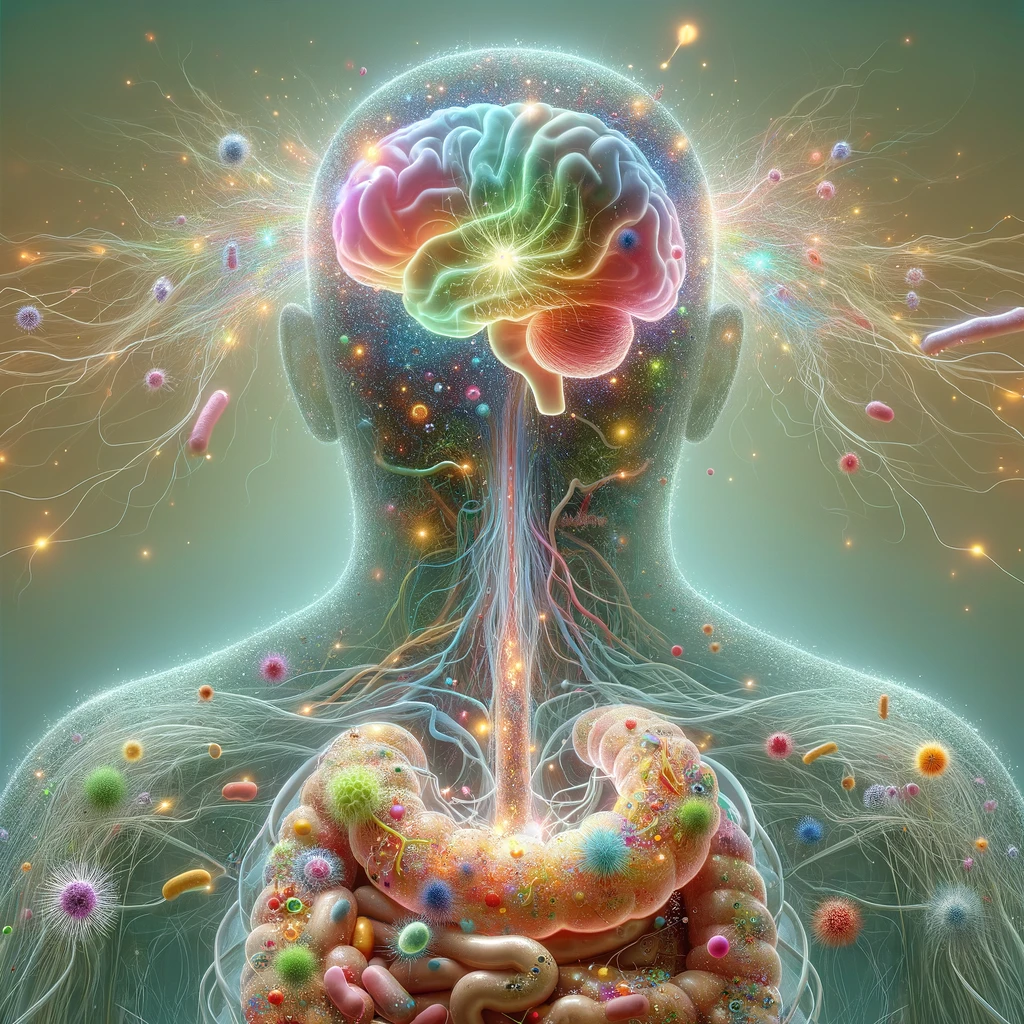
The intricate relationship between coffee consumption and its effects on physiological processes, such as gut function and cognition, is gaining attention. This research investigates how coffee impacts the microbiota–gut–brain axis—a critical communication network linking the digestive system’s microbiome with the brain—and whether these impacts are independent of caffeine in a healthy population. The primary focus was on analyzing shifts in the composition and function of the microbiota, while secondary outcomes included alterations in gut microbial metabolites and coffee-related compounds (NCT05927038 and NCT05927103).
Coffee drinkers displayed distinct faecal microbiome compositions, which were characterized by an increased presence of Cryptobacterium and Eggerthella species. Furthermore, there was a noted reduction in the levels of metabolites such as indole-3-propionic acid, indole-3-carboxyaldehyde, and the neurotransmitter γ-aminobutyric acid among these individuals. Behaviorally, they were more impulsive and emotionally reactive compared to non-coffee drinkers, who generally performed better in memory tasks.
Notably, some metabolomic changes were reversible upon abstaining from coffee, while reintroducing coffee led to immediate microbiome changes, irrespective of caffeine. An integrated analysis spotlighted nine crucial metabolites, including theophylline, caffeine, and specific phenolic acids, which were closely associated with both microbial species and cognitive outcomes. The findings uncover novel effects of coffee on the microbiota–gut–brain axis, indicating that microbiome profiles may forecast coffee consumption behaviors and revealing a robust linkage between coffee intake and gut microbial structures. [NPID: coffee, microbiota-gut-brain axis, metabolites, cognition]
Year: 2026