Navigation


Empirical evidence for gut microbial influence on human brain neurochemistry via the gut–brain axis
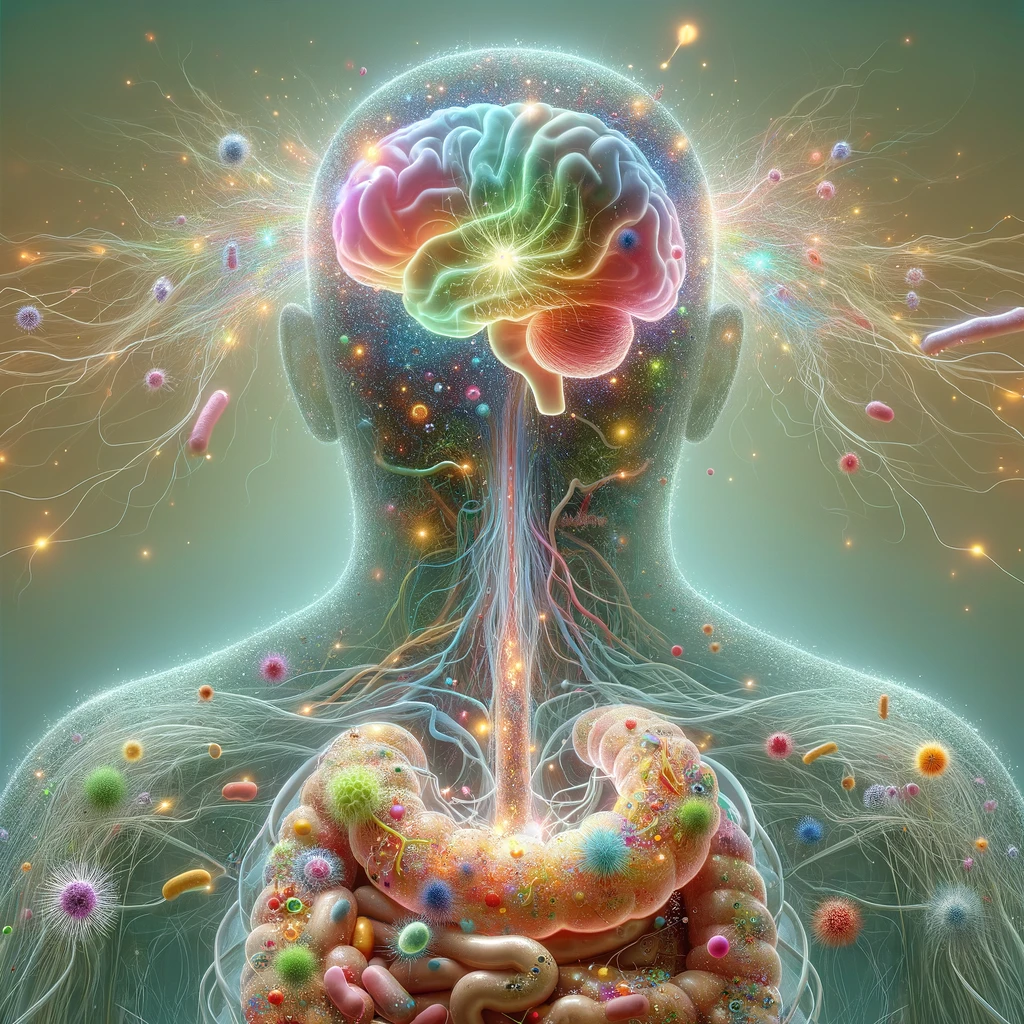
The interplay between the gut microbiome and brain function raises intriguing questions about mental health and cognitive processes. This study delves into how metabolites produced by gut bacteria can influence neurotransmitter levels in the brain, particularly in healthy young women.
Utilizing proton magnetic resonance spectroscopy (¹H-MRS), researchers measured GABA and glutamate concentrations in specific brain regions: the dorsolateral prefrontal cortex (dlPFC), anterior cingulate cortex (ACC), and inferior occipital gyrus (IOG). Alongside this, metagenomic profiling assessed the microbial functional potential associated with critical pathways for the synthesis and degradation of GABA, glutamate, short-chain fatty acids (SCFAs), p-cresol, and inositol.
The study identified region-specific correlations between microbial pathways and neurotransmitter levels, underlining the importance of the excitatory/inhibitory (E/I) balance, a critical indicator of neuroplasticity and mental health. For example, the potential for microbial glutamate degradation and inositol synthesis linked to E/I balance in the IOG was particularly noteworthy. Additionally, pathways such as GABA metabolism, p-cresol production, and SCFA synthesis exhibited distinct connections among the brain regions studied.
Exploratory analyses further revealed associations between microbial functional potential and psychological factors such as anxiety, depressive symptoms, and sleep quality. These findings underscore a significant relationship between gut microbiome characteristics and regional brain neurochemistry, suggesting that the gut-brain axis may offer innovative opportunities for developing microbiome-based interventions to improve mental health. [NPID: Microbiome, mental health, gut-brain axis, microbial pathways, neurotransmitters, metabolites, short-chain fatty acids]
Year: 2026