Navigation


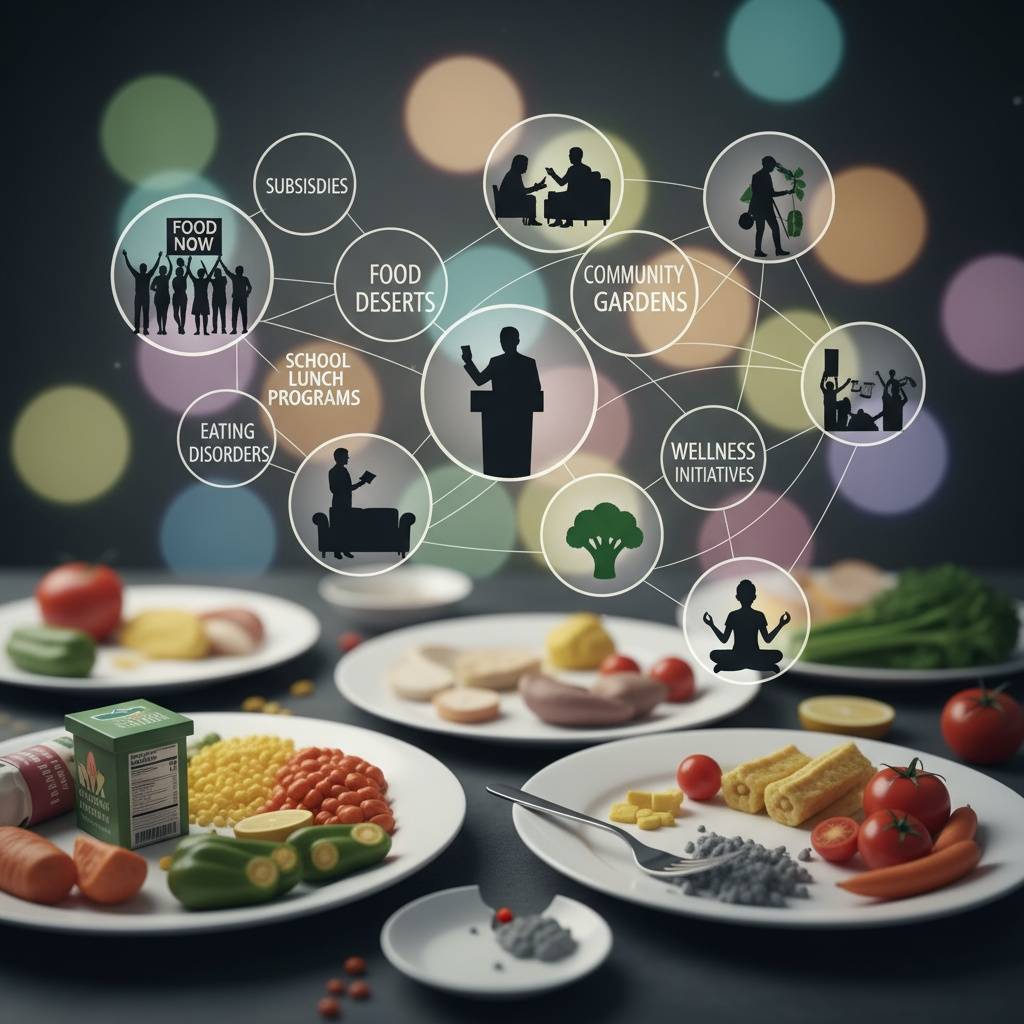
U.S. food policy to address diet-related chronic disease
The pervasive issue of diet-induced mortality in the United States, primarily stemming from chronic diseases linked to poor nutrition, highlights a dire need for strategic policy interventions. This challenge is more pronounced within underserved populations, amplifying existing health disparities. To combat these challenges, evidence-backed policy solutions are paramount in sculpting a food system that aligns with both health imperatives and environmental sustainability.
In response to this critical health predicament, our comprehensive policy analysis prioritized actionable strategies, culminating in key recommendations for bipartisan consideration in the 2023–24 Farm Bill Reauthorization. These initiatives are designed to mitigate epidemic levels of diet-related chronic diseases and nutritional inequities.
Concrete proposals include the imposition of taxes on sugar-sweetened beverages as a deterrent to consumption, along with the expansion of the Supplemental Nutrition Assistance Program (SNAP) to further subsidize the purchase of fruits and vegetables. Furthermore, transitioning from a reliance on ultra-processed foods (UPF) toward sustainable, diverse, and climate-conscious agricultural products is recommended to foster health and nutrition improvements. Additionally, the integration of “food is medicine” initiatives aims to prioritize nutrition as a core component of healthcare.
Collectively, these strategies are not only aimed at addressing immediate health concerns but also at reducing the economic burden of chronic disease healthcare costs. As a result, the proposed reforms promise far-reaching benefits for public health and the economy. [NPID: policy, health disparities, SNAP]
Year: 2026