CNP Team
Efforts
Identifying, categorizing, and synthesizing interdisciplinary research
 Navigation

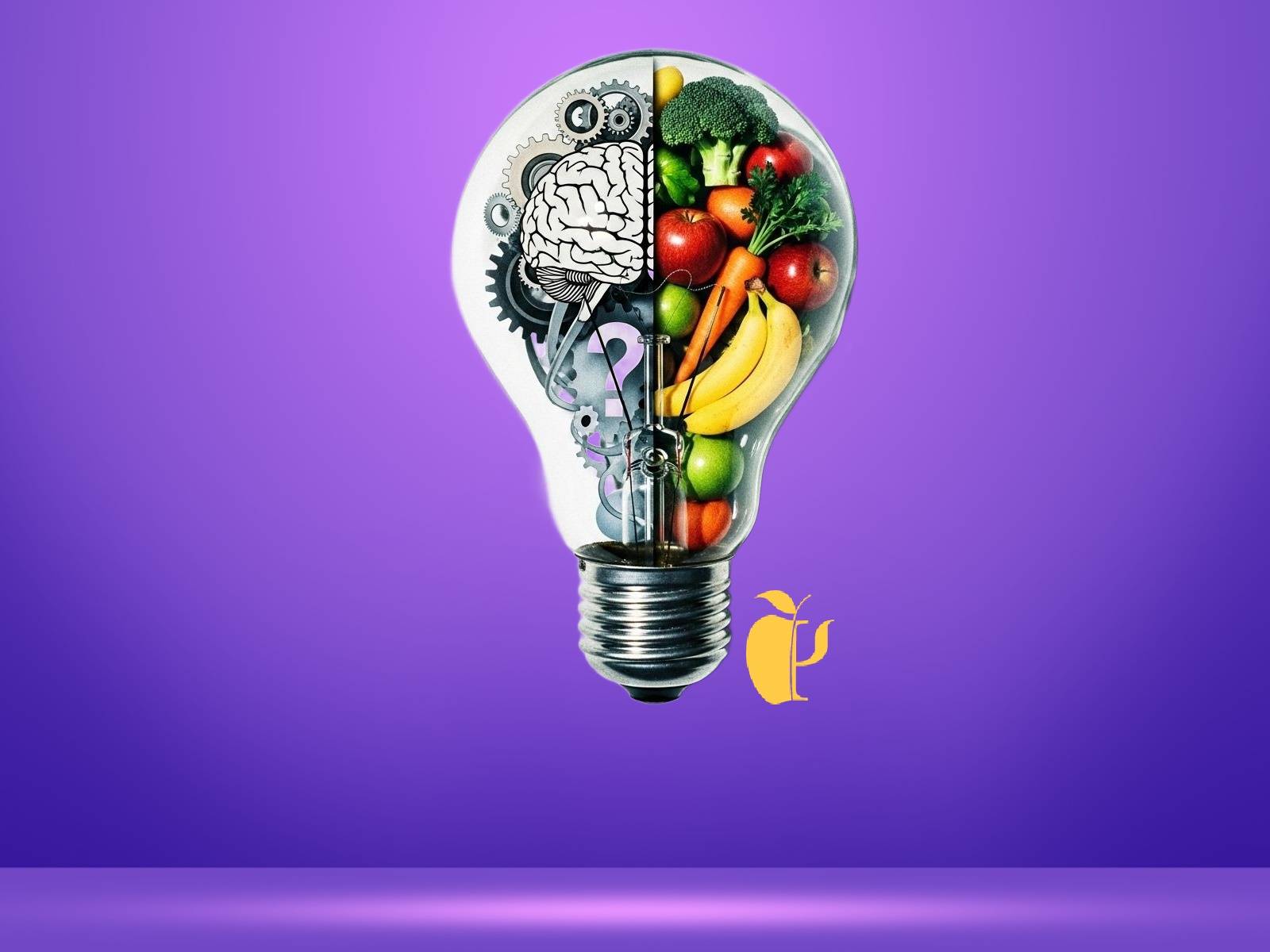
 Nutritional Psychology (NP) is an emerging interdisciplinary field that explores the intricate, bidirectional relationships between nutrition and psychology. Situated at the intersection of the nutritional and psychological sciences, NP examines how what we eat shapes how we think, feel, and experience life through the complex biological, psychological, social, and environmental pathways mediated by our dietary patterns.
The Conceptual Framework of Nutritional Psychology — the first evidence-based theoretical model to define and structure this discipline — was developed by a team of researchers from CNP and published in Behavioral Sciences (Stroebele-Benschop et al., 2025). This framework establishes NP’s theoretical foundations, structure, and six-domain categorization, which together guide ongoing research, education, and application across the field.
As NP gains recognition as an emerging field of study within the psychological sciences (Abrams, 2026), professionals across disciplines are beginning to identify gaps in their own education and training. Psychologists and mental health professionals now acknowledge the bidirectional relationship between diet and mental health, yet most report limited formal training and a strong desire for further education in this area (Kiskinis, Morphew-Lu, & Gurrieri, 2025). Nutritionists and dietitians, in turn, often lack systematic grounding in the psychosocial and cognitive dimensions of mental-health practice, which can limit their engagement with the NP domain. Building on these observations, a recent study by Gurrieri, Hedrih, and Morphew-Lu (2026) found that most mental health and nutrition professionals address each other’s domains in practice at least occasionally, yet many lack formal training in the overlap — pointing to a clear need for integrated education across both fields.
Efforts to formalize the evidence base connecting nutrition and psychology have evolved over the past two decades. Since 2015, CNP has systematically identified, reviewed, categorized, and synthesized thousands of studies in the Nutritional Psychology Research Library (NPRL) bridging these disciplines, culminating in the development of the Conceptual Framework for Nutritional Psychology — a model that unifies this growing body of research into a coherent structure.
Begin with this overview, then continue with the introductory course or explore the research library when you are ready.
Identifying, categorizing, and synthesizing interdisciplinary research
Systematically mapping and summarizing DMHR studies to build foundational knowledge
The world’s first online repository dedicated to Nutritional Psychology research
Creating a unified interdisciplinary language, method, and conceptual framework
Approval to sponsor continuing education for professionals in psychology and nutrition
Fostering interdisciplinary communication, education, and training between mental health and nutrition professionals

Through this work, CNP has developed the first evidence-based theoretical foundation conceptualizing the field of Nutritional Psychology. This framework organizes research across multiple scientific disciplines into six interconnected core domains that together inform ongoing research, education, and the integration of nutrition into mental healthcare (Stroebele-Benschop et al., 2025).
CNP’s framework provides a clear, structured, and unified vision of the nutrition–mental health relationship —guiding research, education, and the practical application of NP.
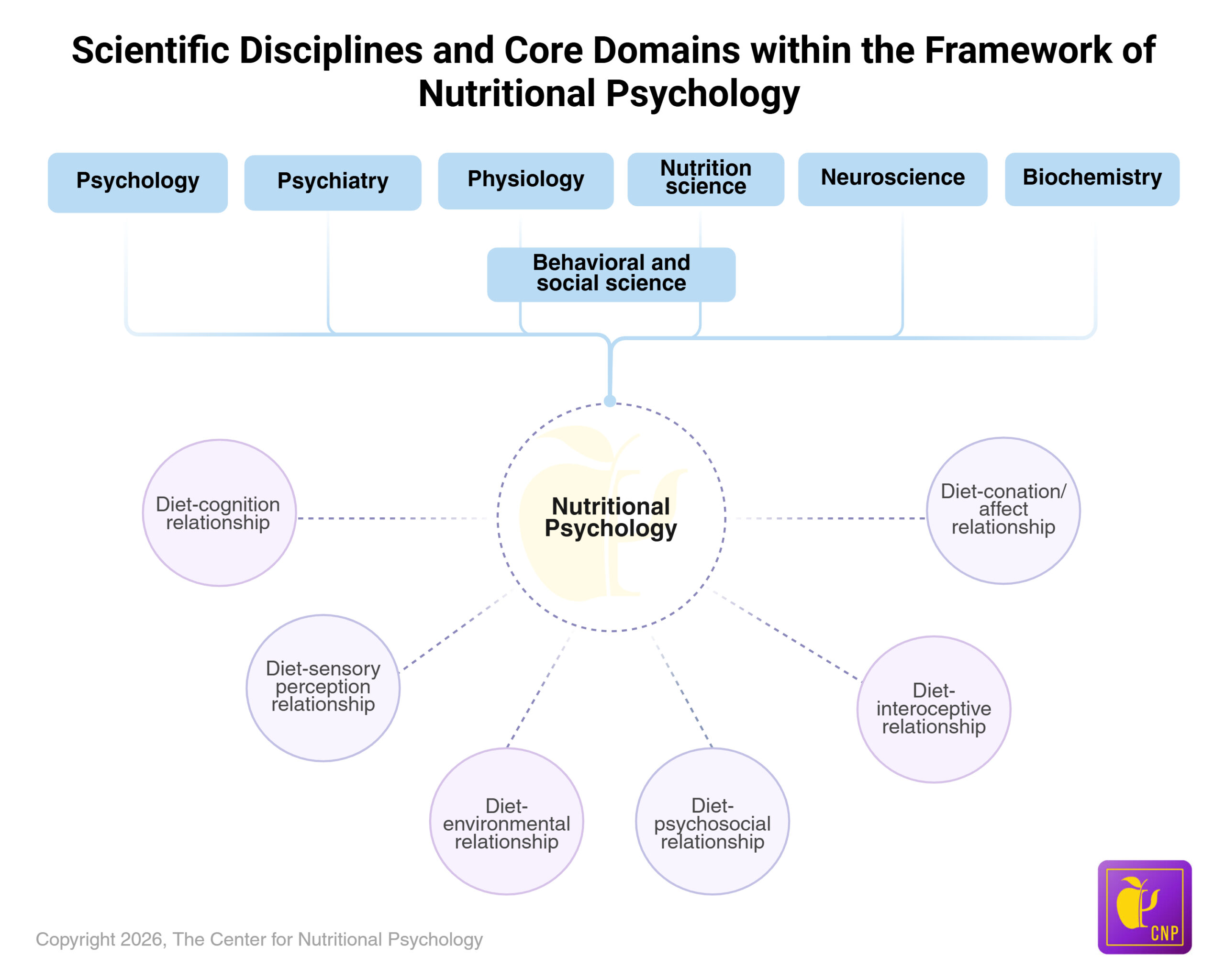

In essence, the conceptual framework within nutritional psychology provides the systematic development of a field of study that provides professionals with theoretical foundations, biological mechanisms and clinical applications for practice within their scope of practice.
The Conceptual Framework anchors all of CNP’s educational and research initiatives, including:

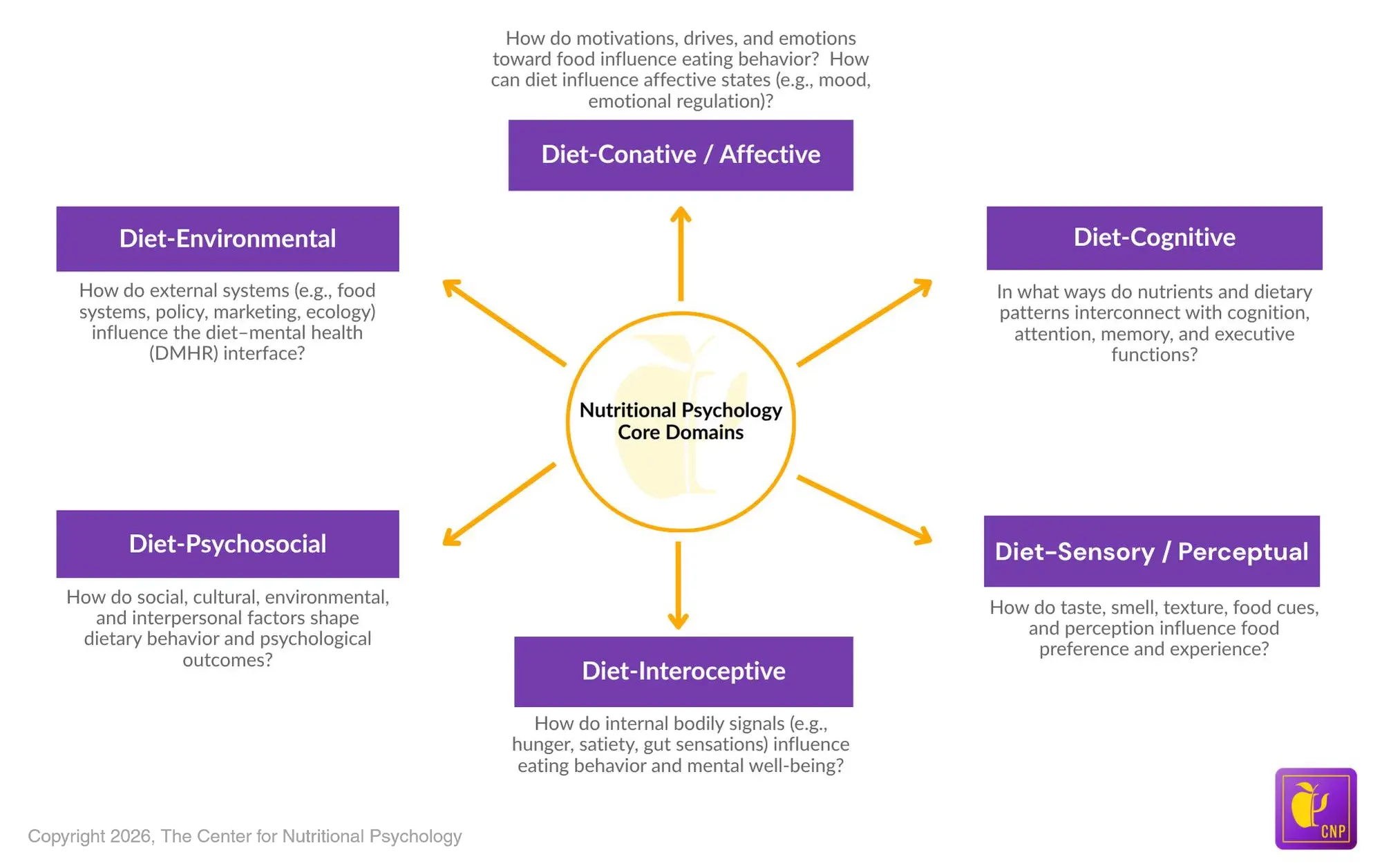
As Nutritional Psychology continues to evolve, this conceptual framework defines six core domains, each rooted in interdisciplinary evidence and designed to illuminate the various ways diet influences psychological and behavioral functioning.
Rooted in the 2025 foundational paper by the CNP team, this six-domain framework defines the structure of Nutritional Psychology, aligns research terminology, and advances integrative education and practice.
| Core Domain | Focus / Key Questions |
|---|---|
| Diet-Conative / Affective | How do motivations, drives, and emotions toward food influence eating behavior? How can diet influence affective states (e.g., mood, emotional regulation)? |
| Diet-Cognitive | In what ways do nutrients and dietary patterns interconnect with cognition, attention, memory, and executive functions? |
| Diet-Sensory / Perceptual | How do taste, smell, texture, food cues, and perception influence food preference and experience? |
| Diet-Interoceptive | How do internal bodily signals (e.g., hunger, satiety, gut sensations) influence eating behavior and mental well-being? |
| Diet-Psychosocial | How do social, cultural, environmental, and interpersonal factors shape dietary behavior and psychological outcomes? |
| Diet-Environmental | How do external systems (e.g., food systems, policy, marketing, ecology) influence the diet–mental health (DMHR) interface? |

The Library Introduction page explains CNP research categories and how visitors can search diet-mental health summaries.
This Conceptual Framework for nutritional psychology sits at the intersection of multiple disciplines, each offering unique perspectives and evidence and supporting the integration Nutrition and Mental Health , the interdisciplinary findings needed to support the conceptual and theoretical foundation of the field Diet–Mental Health Relationship (DMHR).

At its core, Psychology explores the intricate workings of the human mind and behavior, delving into the realms of cognition, emotion, mood, and perception to unravel the complex interplay between our thoughts, feelings, senses, and actions. Through the lens of psychology, NP examines the interconnections between our dietary intake and mental well-being, meticulously scrutinizing the profound impact that specific nutrients and dietary patterns exert on our mood, emotions, cognition, and emotions. This includes delving into the psychological, affective, and emotional aspects of food and eating behavior, encompassing food preferences, emotional eating, body perception, eating disorders, and the psychological implications stemming from diverse dietary patterns. NP also explores how social factors, such as cultural upbringing, prevailing societal norms, and personal beliefs, intricately shape our food choices, dietary intake patterns, and our underlying cognitive frameworks and behavioral responses towards nutrition.
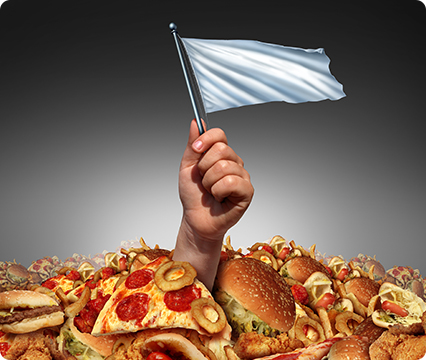
A strong and growing body of science shows that nutrition plays a key role in shaping psychological, behavioral, and cognitive health. Healthy, nutrient-rich diets are linked with better mental well-being, while processed, low-nutrient diets are associated with greater risk for mental health problems such as depression.
Research shows this relationship is bidirectional: our mental states influence what we eat, and our diets, in turn, influence how we feel and think.
The Nutritional Psychology Research Library (NPRL) is The Center for Nutritional Psychology’s online interdisciplinary repository linking to, categorizing and summarizing thousands of studies illustrating this relationship. Visit the NPRL Introduction page to learn more about research supporting this field.

Want to browse more topic areas? Explore the full CNP Research Library introduction and category structure.
Explore all categories →
Do you have skills in a field relevant to NP and want to play a role in its development? Reach out for more information.
Start with NP 110 or compare CNP courses, programs, certificates, and credential pathways.
Nutritional psychology studies how diet, nutrients, eating behavior, and the diet-mental health relationship can influence psychological, behavioral, and cognitive processes.
General nutrition often focuses on physical health and dietary needs. Nutritional psychology focuses specifically on how food-related factors connect with mental health and psychological functioning.
Students, researchers, educators, mental health professionals, nutrition professionals, and curious learners can use CNP resources to better understand this developing field.
For structured learning, CNP recommends starting with NP 110. For research exploration, begin with the Nutritional Psychology Research Library introduction.