

2017
The importance of maternal diet quality during pregnancy on cognitive and behavioural outcomes in children: A systematic review and meta-analysis
Members only
 Navigation


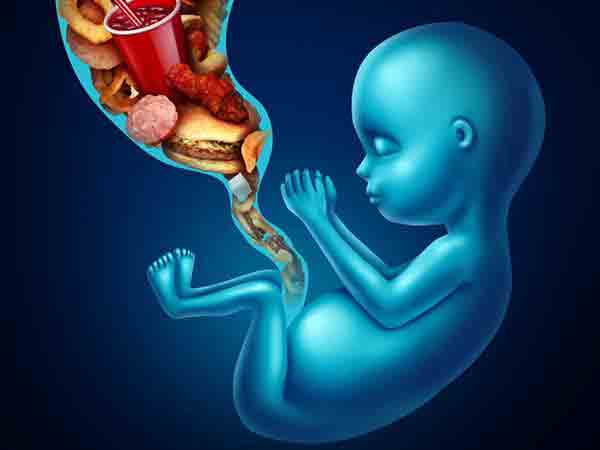

The CNP Maternal Diet and Child Development Research Category consolidates research exploring the relationship between maternal diet and child development. To view each original study on the open internet, click “Original.” To view the CNP-written abstract summary, click “CNP Summary.” While only some of the CNP-written abstract summaries are available below for free, all abstract summaries are available to CNP members through the CNP Library Membership.

Negative fetal and childhood neurodevelopment is linked to maternal undernutrition and high-stress levels. Crovetto et al. (2023) investigated the proposition that organized therapies based on a Mediterranean diet or mindfulness-based stress reduction (MBSR) during pregnancy enhance 2-year-old children's neurodevelopment. The IMPACT BCN (Improving Mothers for a Better Prenatal Care Trial Barcelona) was a parallel-group, randomized clinical trial from February 2017 to March 2020. The three groups—a Mediterranean diet intervention, an MBSR program, or standard care— had 1221 singleton pregnancies (19 to 23 weeks gestation) with a high risk of small for gestational age delivery randomly assigned. The Bayley Scales of Infant and Toddler Development, Third Edition, was used to evaluate postnatal development. Data was examined between July and November 2022. The Mediterranean diet group was provided with free extra virgin olive oil and walnuts and monthly individual and group instructional sessions. Pregnant women who participated in the stress reduction program went through an 8-week MBSR program. Pregnancy care was provided to members of the typical care group in accordance with institutional policies. At 24 months of corrected postnatal age, the Bayley-III was used to evaluate the neurodevelopment of children. At a mean (SD) age of 24.8 (2.9) months, a total of 626 children (293 [46.8%] female and 333 [53.2%] male) participated. Analysis of the results revealed that, between the intervention groups, there were no variations in characteristics at baseline. Children in the Mediterranean diet group had higher cognitive and social-emotional scores than children in the usual care group, while children in the stress reduction group had higher social-emotional scores. The authors comment that the results of mother-structured lifestyle treatments during pregnancy based on a Mediterranean diet or MBSR significantly enhanced child neurodevelopmental outcomes at age two years, according to this predetermined analysis of a randomized clinical trial.
The importance of maternal diet quality during pregnancy on cognitive and behavioural outcomes in children: A systematic review and meta-analysis
Members only
The role of diet and nutritional supplementation in perinatal depression: A systematic review
Members only
Maternal psychosocial stress Is associated with reduced diversity in the early infant gut microbiome
Mediation by Executive Functions in the Associations Between Perceived Stress, Prenatal Distress, Emotional Control, and Dietary Intake in Overweight or Obese Pregnant Women
Members only
Is postpartum depression related to total weight gain during pregnancy and maternal anemia?
The significant role of amino acids during pregnancy: Nutritional support
Anaemia and depletion of iron stores as risk factors for postpartum depression: A literature review
The accelerator, the brake, and the terrain: Associations of reward-related eating, self-regulation, and the home food environment with diet quality during pregnancy and postpartum in the pregnancy eating attributes study (PEAS) cohort
Nutritional deficiencies and maternal depression: associations and interventions in lower and middle-income countries: a systematic review of literature
