 Navigation



Neurobiological insights into the effects of ultra-processed food on lipid metabolism and associated mental health conditions: a scoping review
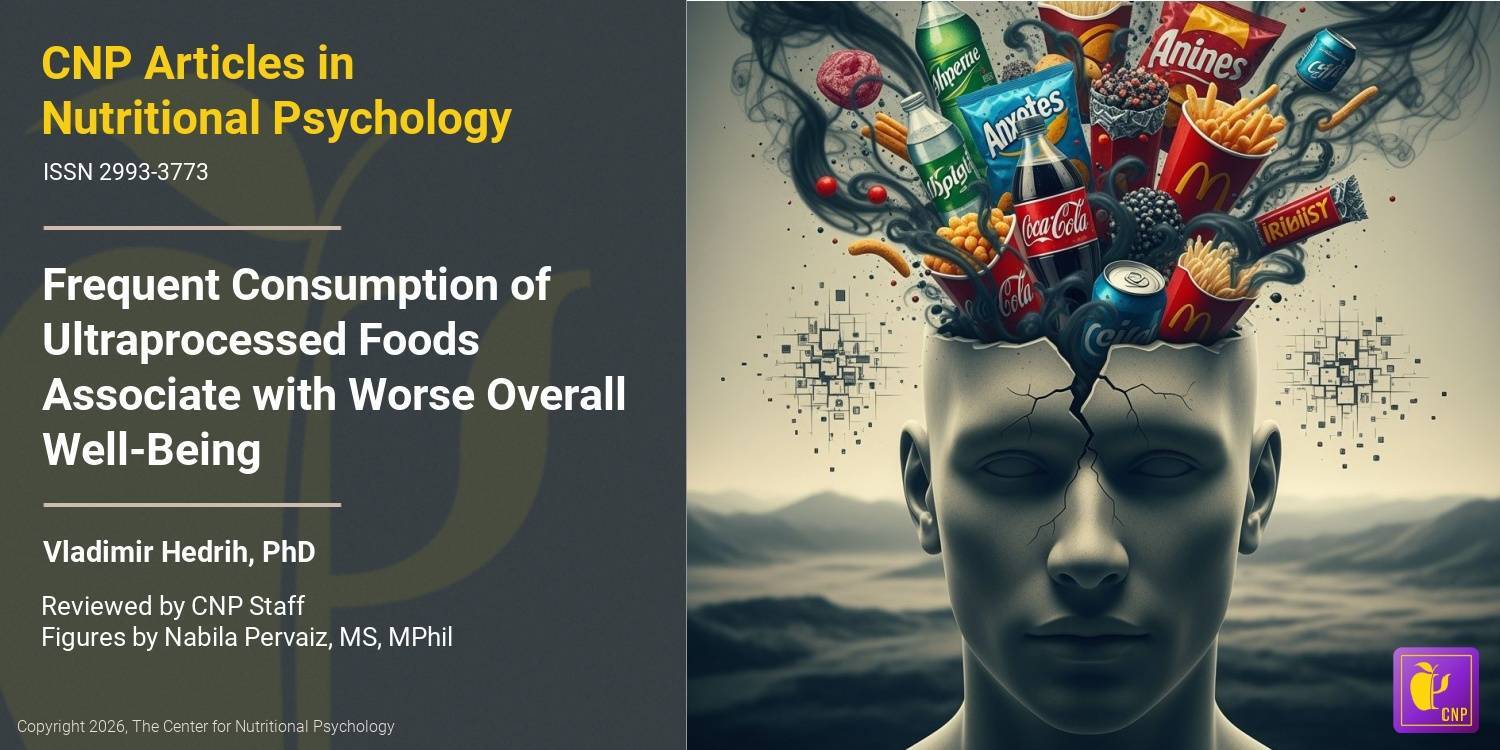
Ultra-processed foods (UPFs) constitute approximately 38% of the adult diet and correlate with a rising prevalence of mental illnesses globally. This review investigates the relationship between UPF consumption and dysregulated lipid metabolism, alongside the increased risk of various mental disorders, including depression, anxiety, attention-deficit/hyperactivity disorder (ADHD), autism spectrum disorder (ASD), eating disorders (ED), and food addiction (FA).
Using the PRISMA extension for scoping reviews, a comprehensive search of PubMed, Web of Science, and EMBASE was conducted. The analysis included English-language studies published between 2020 and 2025 that included participants without significant comorbidities. The extracted data were synthesized narratively to elucidate the associations and underlying mechanisms.
The findings demonstrate that UPF consumption correlates with dysregulated lipid metabolism and an increased risk of anxiety, depression, ADHD, ASD, ED, and FA, with dose-dependent risk increments observed, except for autism. Proposed mechanisms include systemic low-grade inflammation, alterations in neuronal signaling—particularly involving dopamine and serotonin pathways—and the impact of UPF additives on neurochemical regulation.
The review underscores a significant association between UPF intake and mental disorders, advocating for dietary shifts towards minimally processed foods as a protective measure. The results support public health initiatives to reduce UPF consumption and alleviate mental health burdens. Future research should focus on mechanistic pathways and dietary patterns to inform targeted interventions and policy development to improve health outcomes. [NPID: UPF, ultra-processed, mental disorders, depression, anxiety, ADHD, ASD, ED, food addiction]
Year: 2026