 Navigation



Ultra-processed food intake and cognitive decline in older adults
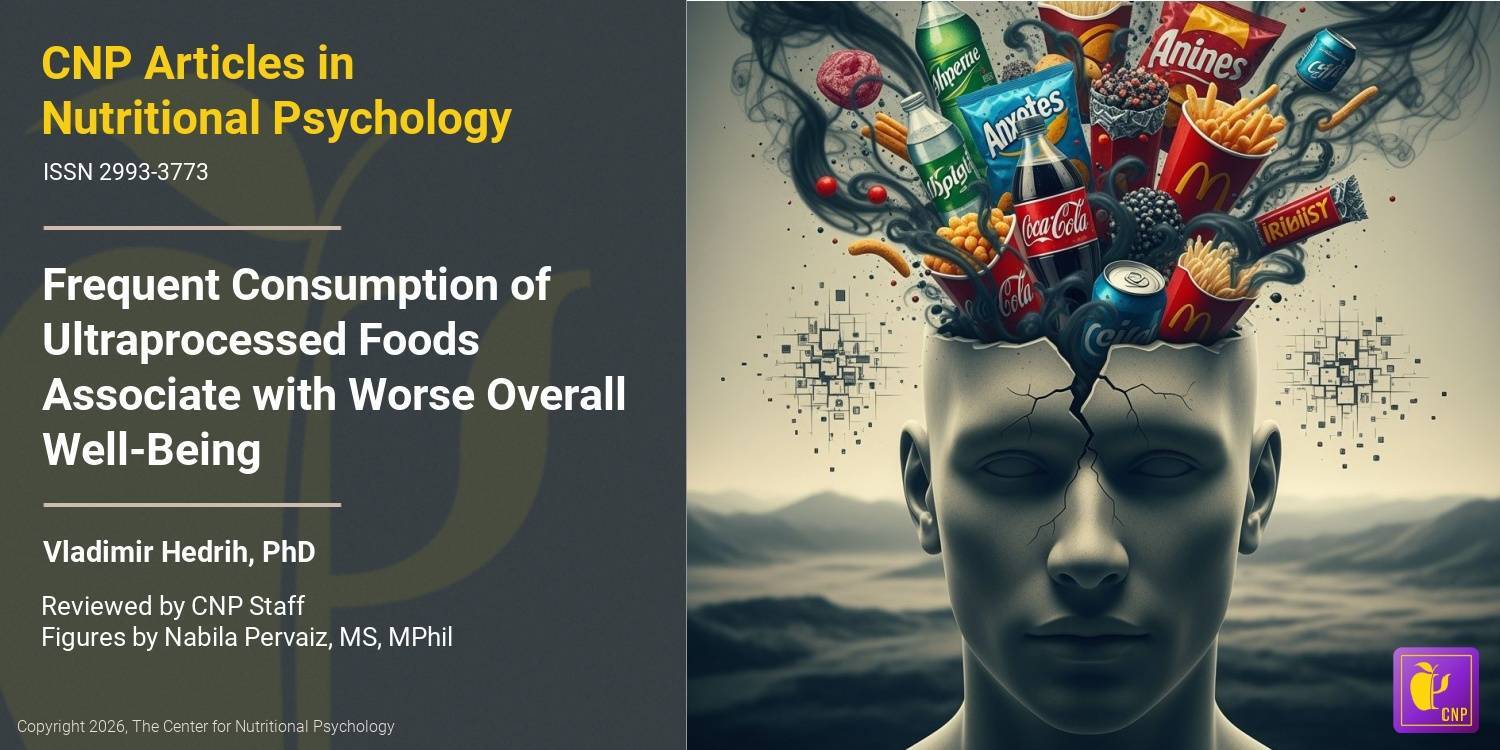
The intake of ultra-processed foods (UPFs) has risen globally, with some studies indicating a link between specific UPF products and cognitive decline. However, the relationship between overall UPF intake and cognitive function remains underexplored, yielding conflicting results. This research aimed to examine this association in a cohort of Dutch older adults (≥ 55 years).
Utilizing data from 1371 participants of the Longitudinal Aging Study Amsterdam (LASA), cognitive function was assessed over a decade through five standardized tests, including the Mini-Mental State Examination (MMSE) and others measuring processing speed, episodic memory, and executive function. Dietary intake was evaluated in 2014/2015 using a validated food frequency questionnaire, which categorized food items according to the NOVA classification system. UPF intake was quantified as a percentage of total dietary intake and divided into quartiles.
Results indicated that UPFs constituted an average of 20.1% of total daily dietary intake. However, the analysis, which employed linear mixed models to adjust for potential confounders and sex interactions, found no significant associations between UPF intake quartiles and cognitive function or age-related cognitive decline across all assessed domains.
In conclusion, this study found no evidence supporting a link between total UPF intake and cognitive function or decline with age among Dutch older adults, suggesting that dietary UPF consumption may not adversely affect cognitive health in this demographic.
Year: 2026