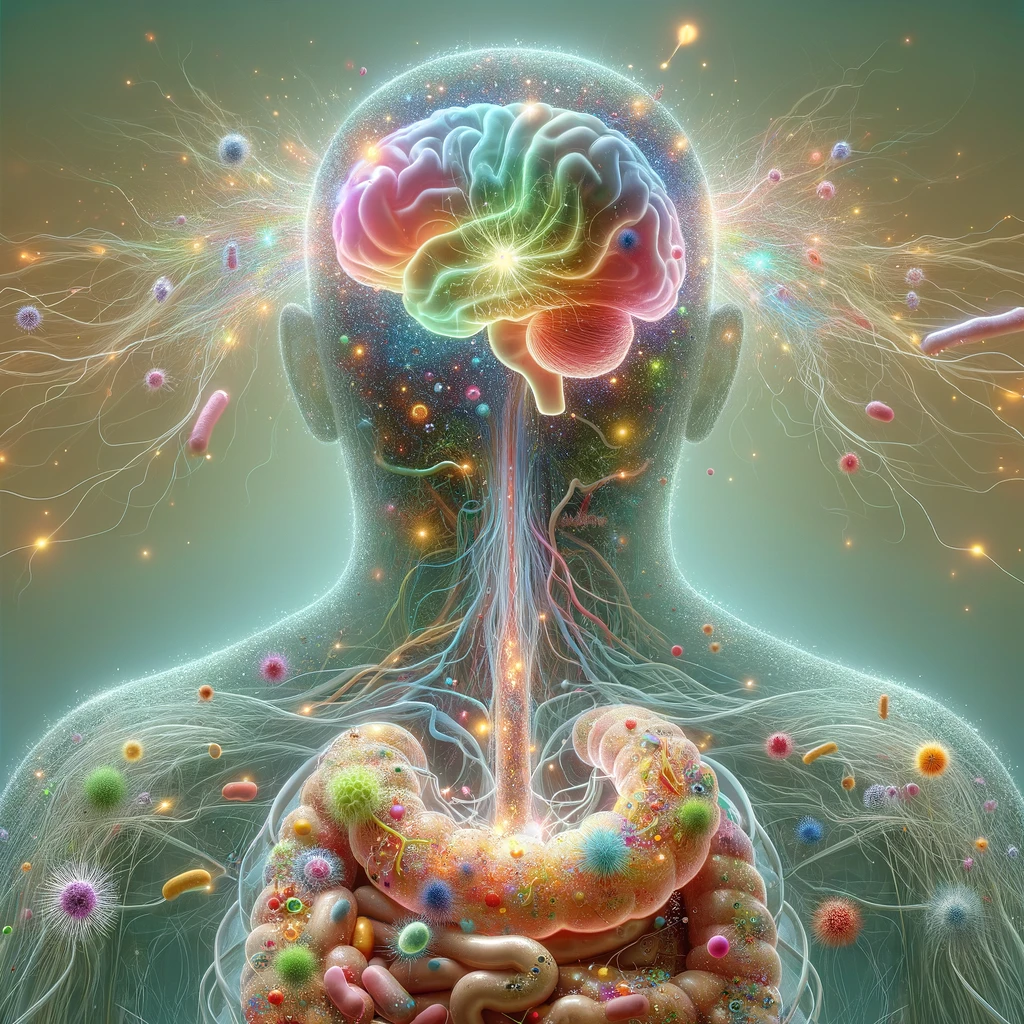
The CNP Microbiota-Gut-Brain Axis(MGBA) & Mental HealthResearch Category consolidates research exploring the interconnected relationship between dietary intake, the microbiome, and the gut-brain axis in the adult population. To view each original study on the open internet, click “Original.” To view the CNP-written abstract summary, click “CNP Summary.” While only some of the CNP-written abstract summaries are available below for free, all abstract summaries are available to CNP members through the CNP Library Membership.
The relationship between the gut microbiome and neurodegenerative diseases
This 2021 study focuses on the association between the gut microbiome and neurodegenerative diseases. The microbiome living in our guts play important roles in human physiology and pathology, which has led to microbiome-based approaches for enhancing health and treating diseases. Researchers have tried to determine the relationship between gut microbiome and neurodegenerative and aging diseases (such as Alzheimer’s, Parkinson’s disease) but the exact interactions between these two remain unclear. Hopefully, the interrelations will be confirmed as technology advances and new study techniques will be developed. This article presents the currently known aspects of the connection between gut microbiome and neurodegenerative diseases. For instance, the author discusses the potential therapeutic role of microbiome-based therapies in diseases. [NPID: gut microbiota, microbiome, neurodegenerative diseases, Alzheimer’s, parkinson’s, parkinsons, alzheimers]
Poor eating habits are a major contributing factor to the rising prevalence of brain illnesses, particularly stress-related neuropsychiatric ailments and those involving cognitive impairment. Conversely, a nutritious diet improves mood and cognitive function. Recently, the gut-brain axis, which involves communication between the gastrointestinal microorganisms and the brain, has emerged as a potential target for improving […]
The gut microbiome makes use of several dietary elements for its homeostasis and functionality. Prebiotic fibers and polyphenol compounds found in dietary sources like nuts were demonstrated to have a favorable impact on the gut microbiome. In this systematic review by Fitzgerald et al. (2021), the authors searched prominent databases (PubMed, Cochrane CENTRAL, MEDLINE, CINAHL, […]
We use cookies to ensure that we give you the best experience on our website. If you continue to use this site we will assume that you are happy with it.
 Navigation