The interaction between tea polyphenols and host intestinal microorganisms: An effective way to prevent psychiatric disorders
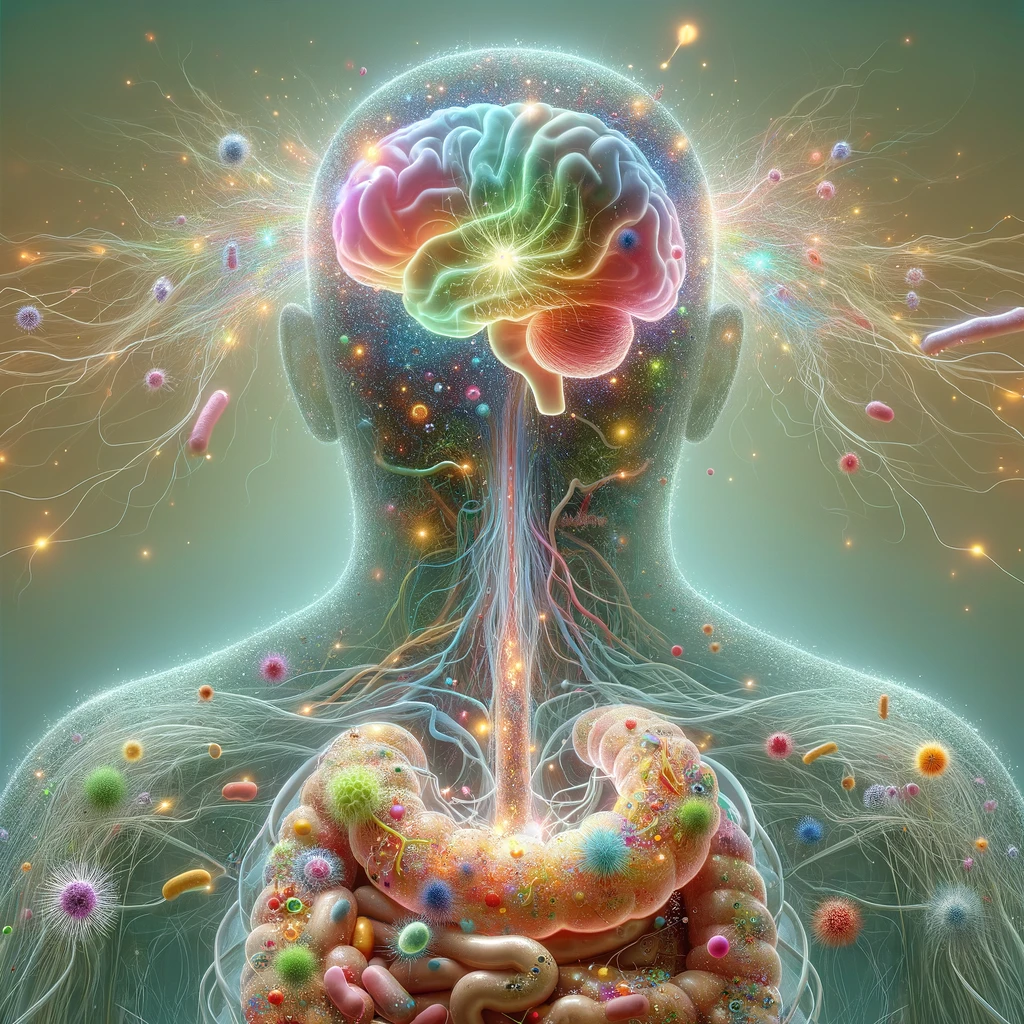
This 2021 review discusses the relationship between tea polyphenols and gut microorganisms, breaking down the potentially preventative role of tea polyphenols in psychiatric disorders via modulation of host intestinal microorganisms. Tea polyphenols make up the most bioactive components in tea extracts, and have been reported to regulate the composition and function of the intestinal flora. The microorganisms in the gut also interact with tea polyphenols by enhancing its bioactivity. The metabolites produced can control intestinal microecology and promote health. It is said that dysfunctioning of the microbiota-gut-brain axis (the interactions between the gut, its microbiota, and the brain) forms the main basis of depression. These abnormalities may influence and possibly directly cause psychiatric disorders. [NPID: tea, polyphenols, gut microbiota, gut, intestine, depression, disorders, MGBA]
Year: 2021
Reference: Sun, Q., Cheng, L., Zhang, X., Wu, Z., & Weng, P. (2021). The interaction between tea polyphenols and host intestinal microorganisms: an effective way to prevent psychiatric disorders. Food & function, 12(3), 952–962. https://doi.org/10.1039/d0fo02791j
Related Studies
Current literature postulates that the traits energy and fatigue are distinct unipolar temperaments with definite mental and physical elements (where traits i.e., subjective characteristics of thought and behavior). In this exploratory study by Boolani et al. (2022), the interaction between mental energy (ME), mental fatigue (MF), physical energy (PE), physical fatigue (PF), and the gut […]
Liang et al. (2018) express their thoughts on how the gut microbiota has experienced great change over the last centuries due to the transition movements especially in diet and lifestyle, and consider the research that investigates gut microbiota’s role in the pathophysiology of numerous mental and neurological diseases. The review takes an optimistic approach on […]
 Navigation