Navigation


Gut-brain psychology: Rethinking psychology from the microbiota–gut–brain axis
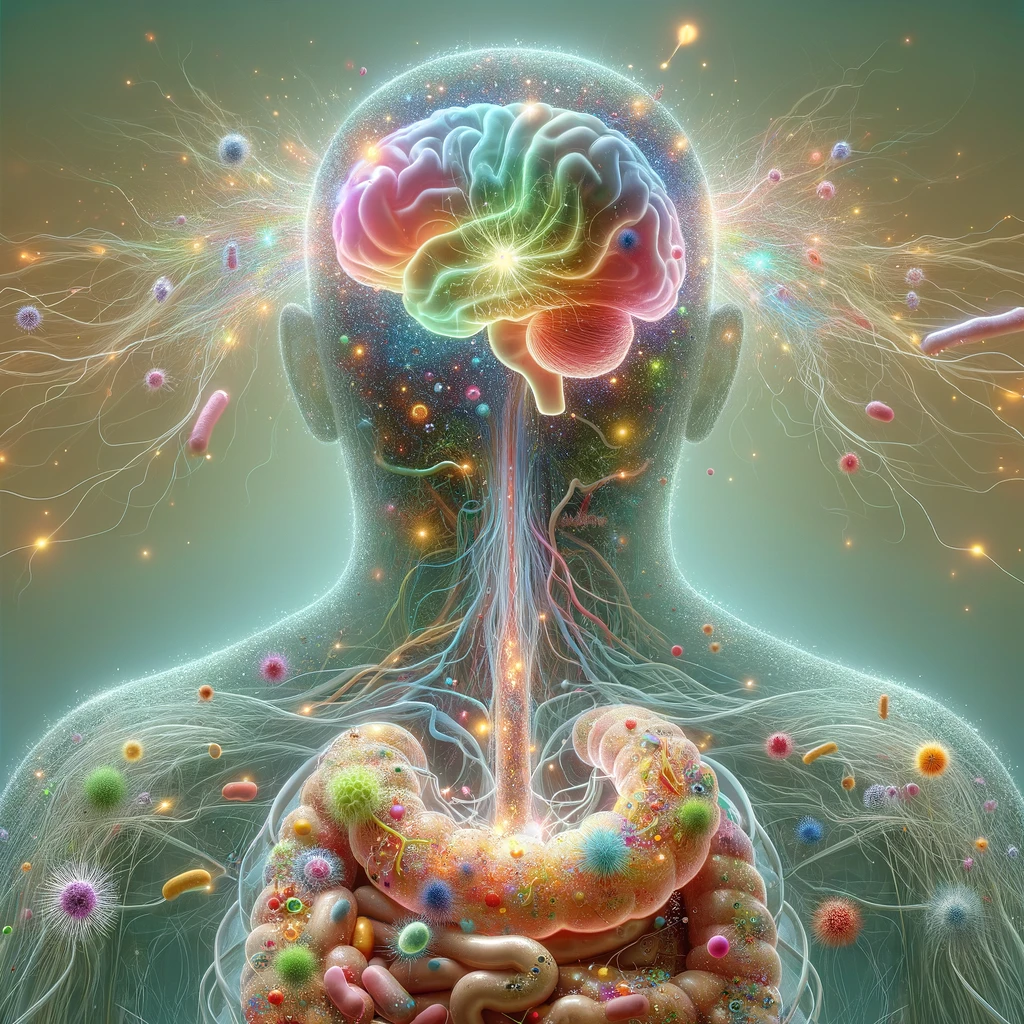
Liang et al. (2018) express their thoughts on how the gut microbiota has experienced great change over the last centuries due to the transition movements especially in diet and lifestyle, and consider the research that investigates gut microbiota’s role in the pathophysiology of numerous mental and neurological diseases. The review takes an optimistic approach on the potential use of the microbiota–gut–brain axis and the area of gut-brain psychology, in enhancing the knowledge on psychology, neuroscience, and psychiatry. The researchers point out various methods to improve the gut microbiome, such as fecal microbiota transplantation, probiotics, prebiotics, a healthy diet, and healthy lifestyle, which can all provide hope that brain and mental health can be prevented and treated through harnessing the power of these gut microbiota. [NPID: microbiome, MGBA, gut-brain axis, gut microbiome, probiotics, prebiotics, neurological diseases]
Year: 2018