 Navigation


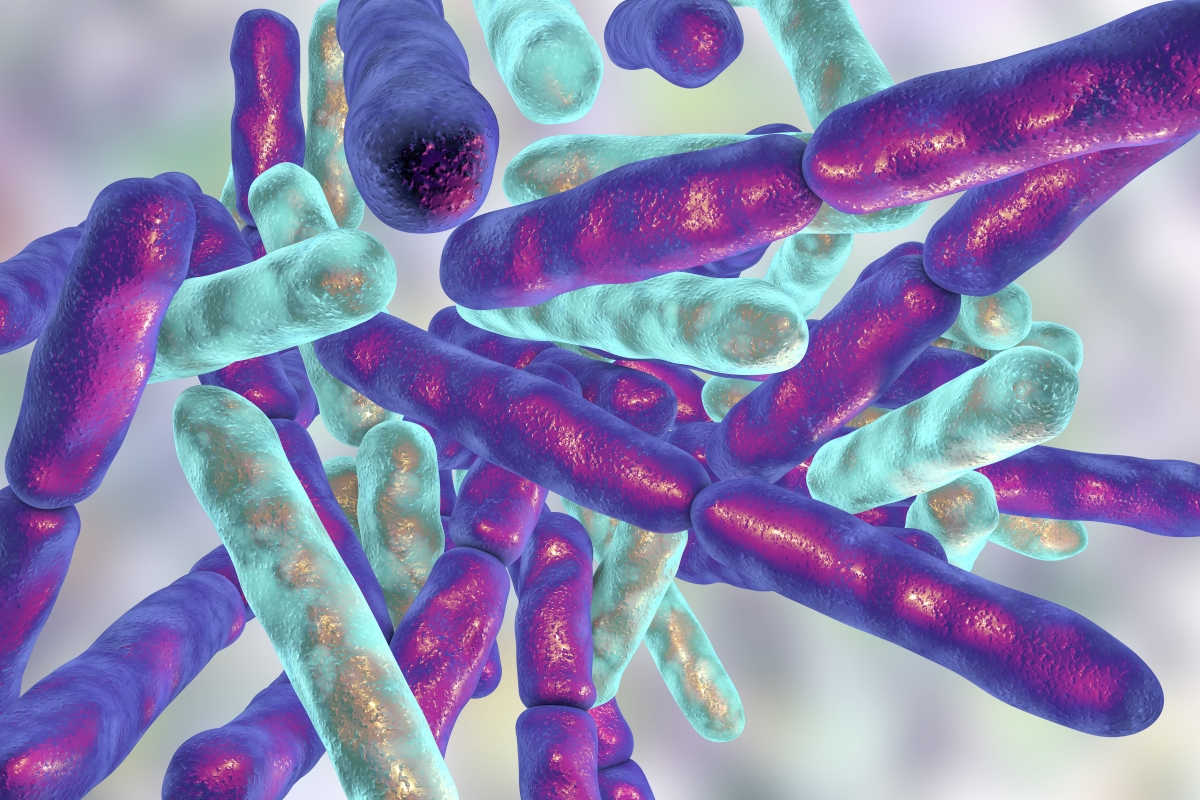
Bifidobacterium longum and prebiotic interventions restore early-life high-fat/high-sugar diet-induced alterations in feeding behavior in adult mice
An unhealthy diet disrupts feeding behavior and the gut microbiota, with unclear persistence of early-life dietary effects. This research examines whether microbiota-targeted interventions, namely FOS + GOS or Bifidobacterium longum APC1472, can reverse alterations in feeding behavior induced by early-life high-fat/high-sugar (HFHS) diets in adult mice. The study found that exposure to HFHS only during early life led to persistent, sex-specific feeding alterations in adult mice, despite normalized body weight. Specifically, early-life HFHS diets resulted in a reduction of hypothalamic cells expressing feeding-related markers (POMC, GHSR, PNOC, NOD2). Notably, female mice exhibited greater vulnerability, characterized by decreased LEPR+ cells and disrupted arginine/tryptophan metabolism, while male mice displayed impaired peptidoglycan sensing and steroid metabolism. The administration of microbiota interventions effectively restored these alterations through distinct mechanisms: FOS + GOS prompted significant shifts in microbiome composition and sex-specific restoration of gut-brain pathways, whereas B. longum APC1472 facilitated greater behavioral restoration with minimal alterations in microbiome composition. These results underscore the importance of considering sex-specific vulnerabilities and the potential of mechanism-dependent microbiota-based therapies following exposure to early-life unhealthy dietary patterns. [NPID: Gut microbiota, high-fat, high-sugar, early life, Bifidobacterium longum, FOS, GOS]
Year: 2026