Navigation
  • Nutritional psychology
    • Home
    • What is Nutritional Psychology
    • Training in NP
    • About CNP
    • Meet the Team
    • NP FAQs
  • Education
    • Programs
    • Certificates
    • Courses
      • Overview
      • NP 110
      • NP 120
        • NP 120 Part I
        • NP 120 Part II
      • NP 150
        • NP 150 Part I
        • NP 150 Part II
      • NP 300
        • NP 310
        • NP 320
      • NP 500
        • NP 510
        • NP 550
    • Micro-Degree
    • Course Scholarships
    • Learner Login
  • RESEARCH LIBRARY (NPRL)
    • Library Intro
    • Adult Population
    • Youth Population
      • Child and Adolescent
      • Neurodevelopmental
      • Maternal
      • Cooking
    • Membership
  • Resources
    • CNP Resources
      • Events
      • CNP News
      • Videos
      • Books
      • Reports
    • Encyclopedia
    • CNP Articles
    • Related Resources
    • Newsletter
  • Get Involved
    • Donate
    • Advocate
      • Introduction
      • Students
      • Professionals
      • Educators
      • Organization Advocacy
      • General
    • Be a Contributor
    • Faces of Nutritional Psychology
      • Faces Home
      • Personal Stories
      • Submission Guidelines
    • Newsletter
    • Research Announcement
  • Membership
    • Introduction
    • LOGIN
  • Contact
  • MEMBER LOGIN
  • STUDENT LOGIN
  • Nutritional psychology
    • Home
    • What is Nutritional Psychology
    • Training in NP
    • About CNP
    • Meet the Team
    • NP FAQs
  • Education
    • Programs
    • Certificates
    • Courses
      • Overview
      • NP 110
      • NP 120
        • NP 120 Part I
        • NP 120 Part II
      • NP 150
        • NP 150 Part I
        • NP 150 Part II
      • NP 300
        • NP 310
        • NP 320
      • NP 500
        • NP 510
        • NP 550
    • Micro-Degree
    • Course Scholarships
    • Learner Login
  • RESEARCH LIBRARY (NPRL)
    • Library Intro
    • Adult Population
    • Youth Population
      • Child and Adolescent
      • Neurodevelopmental
      • Maternal
      • Cooking
    • Membership
  • Resources
    • CNP Resources
      • Events
      • CNP News
      • Videos
      • Books
      • Reports
    • Encyclopedia
    • CNP Articles
    • Related Resources
    • Newsletter
  • Get Involved
    • Donate
    • Advocate
      • Introduction
      • Students
      • Professionals
      • Educators
      • Organization Advocacy
      • General
    • Be a Contributor
    • Faces of Nutritional Psychology
      • Faces Home
      • Personal Stories
      • Submission Guidelines
    • Newsletter
    • Research Announcement
  • Membership
    • Introduction
    • LOGIN
  • Contact
Login
MEMBER LOGIN STUDENT LOGIN
Food Addiction and Mental Health

Food Addiction and Mental Health (Adult Population)

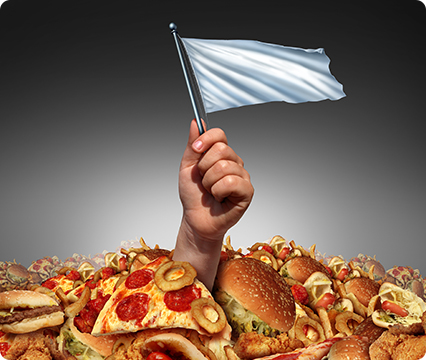
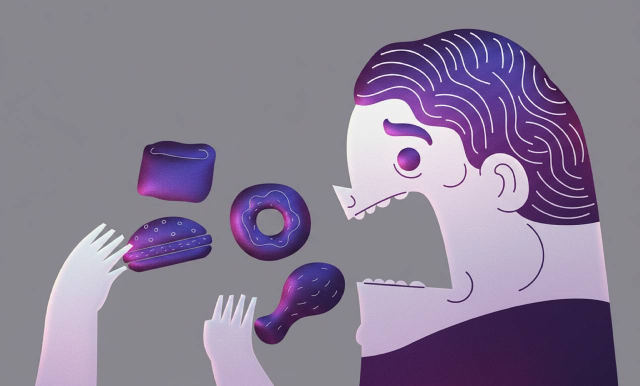
Food addiction is commonly described as a pattern of compulsive overeating and intense cravings for highly palatable foods, where a person continues to eat in an “addiction-like” way despite negative physical, emotional, or social consequences. It typically involves strong, recurring cravings for specific foods, often those high in sugar, fat, and salt; loss of control over eating, such as eating more than intended or being unable to cut down despite repeated efforts; and continued overeating even when aware of harm (weight gain, health problems, distress), similar to substance use disorders. The Food Addiction and Mental Health Research Category explores the complex interplay between dietary behaviors, neurobiological reward systems, and psychological well-being, highlighting how compulsive eating patterns influence — and are influenced by — mental health conditions. Join the CNP Library Membership to learn more.

Regulating food craving: From mechanisms to interventions

  • Karim Maghraby, M.B.B.Ch, M.Sc, Director
  • 28 October 2020
  • Reviewed By CNP STAFF
Logo

This CNP Research Summary is protected. Become a CNP Library Member to access it.

Share this post:

Related Studies

Snack food intake in ad libitum fed rats is triggered by the combination of fat and carbohydrates.

  • Karim Maghraby, M.B.B.Ch, M.Sc, Director
  • 28 October 2020
  • Reviewed By CNP STAFF

In this 2014 study, rats were given unrestricted access to various foods (mixed in with standard chow) on 3 separate occasions each day, before they were assessed on intake and intake-related locomotor activity. The aim was to identify what makes snack foods stimulate extra food consumption on a molecular level. Snack food has already been […]

Obesity as a behavioral addiction: moving past quick fixes and the case for inclusion in the Diagnostic and Statistical Manual of Mental Disorders

  • Karim Maghraby, M.B.B.Ch, M.Sc, Director
  • 28 October 2020
  • Reviewed By CNP Staff

This research article examines the theoretical, clinical, and neurobiological frameworks of obesity as a behavioral addiction, with potential implications for future revisions of the DSM (Diagnostic and Statistical Manual of Mental Disorders). Utilizing a narrative review methodology, the study synthesizes findings from diverse sources, including theoretical literature, clinical studies, and neurobiological research. The literature search […]

Recent Articles

  • Higher ultra-processed food intake is associated with slightly higher dementia risk

    Higher ultra-processed food intake is associated...

    May 26 2026
  • Healthier Diets are Associated with Better Mental Health in Adolescents

    Healthier Diets are Associated with Better...

    April 27 2026
  • Consuming lots of flavonoid-rich foods is linked with feeling happy and optimistic

    Consuming lots of flavonoid-rich foods is...

    March 31 2026

SUPPORT THE FIELD

CNP is a non-profit that relies on our small team of staff and our many dedicated volunteers.

If you find nutritional psychology meaningful, please consider supporting our mission in one of the following ways:

Donate Advocate

We would also love to connect with you on social media!

  • Home
  • Our Mission
  • NP Libraries
  • Advocate
  • FAQ
  • Donate
  • Terms of Use
  • Privacy Policy
Copyright © 2026 The Center for Nutritional Psychology. A registered 501(c)(3) non-profit organization. Contact us: info@nutritional-psychology.org
By using this website, you accept and agree to our Terms of Use and Privacy Policy. The reproduction and/or use of logos, diagrams, or
written content found on this site without explicit permission from the CNP Board of Directors is strictly prohibited.
avatar

Stay Informed

Subscribe to our monthly NEWSLETTER for the latest information on nutritional psychology courses and developments within CNP.
Quarterly Newsletter
Weekly News in Nutritional Psychology
We use cookies to ensure that we give you the best experience on our website. If you continue to use this site we will assume that you are happy with it.