Navigation


Impact of prenatal and postnatal nutrition on pain modulation and stress response in offspring
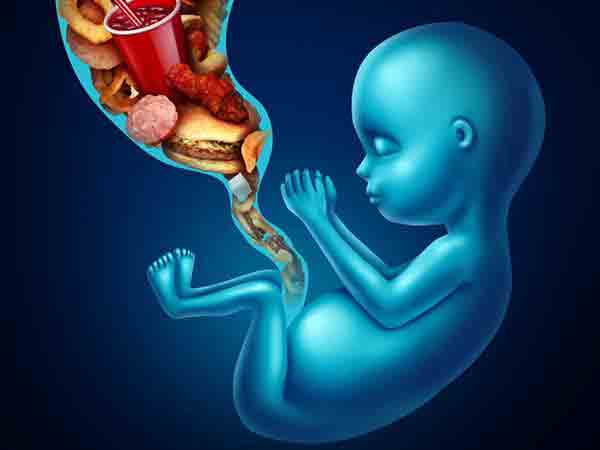
Nutrition is a significant environmental risk factor that predisposes individuals to various diseases. Prenatal nutrition, in particular, triggers adaptation processes known as early programming, which can alter fetal growth and brain development. This narrative review builds upon previous research by examining the impact of both prenatal and postnatal nutrition on various physiological pathways, including pain modulation and stress response. These effects are mediated by changes in the hypothalamic–pituitary–adrenal (HPA) axis, dysregulation of the gut-brain axis, and epigenetic modifications influenced by dietary components. Variations in macronutrient and micronutrient levels can modify gene expression during critical developmental stages, increasing susceptibility to metabolic disorders and cognitive impairments. Additionally, maternal dietary habits may affect brain excitability, neuropeptide activity, and neurotransmitter release. A systematic search using keywords such as ‘prenatal nutrition and pain modulation’ on PubMed and Google Scholar revealed a scarcity of comprehensive studies on this topic. Prenatal and postnatal nutrition play a crucial role in shaping physical growth and the neural systems that regulate pain and stress responses, with factors such as neuroinflammation, epigenetic changes, and microbiota alterations influencing these processes. Strengthening public health strategies and research on maternal and early-childhood nutrition could help prevent chronic pain and stress-related disorders by identifying effective dietary and microbial interventions. Future research should aim to elucidate the pathophysiological mechanisms underlying these alterations, thereby enhancing health outcomes for offspring through improved maternal and early nutrition. [NPID: Hypothalamic-pituitary-adrenal axis, HPA, dysregulation, prenatal, postnatal, early programming, brain development, fetal development, epigenetic, dietary]
Year: 2025