Navigation


Unhealthy diets, unhealthy futures: How modern eating patterns endanger maternal and offspring health
Unhealthy Diets and Maternal Health:
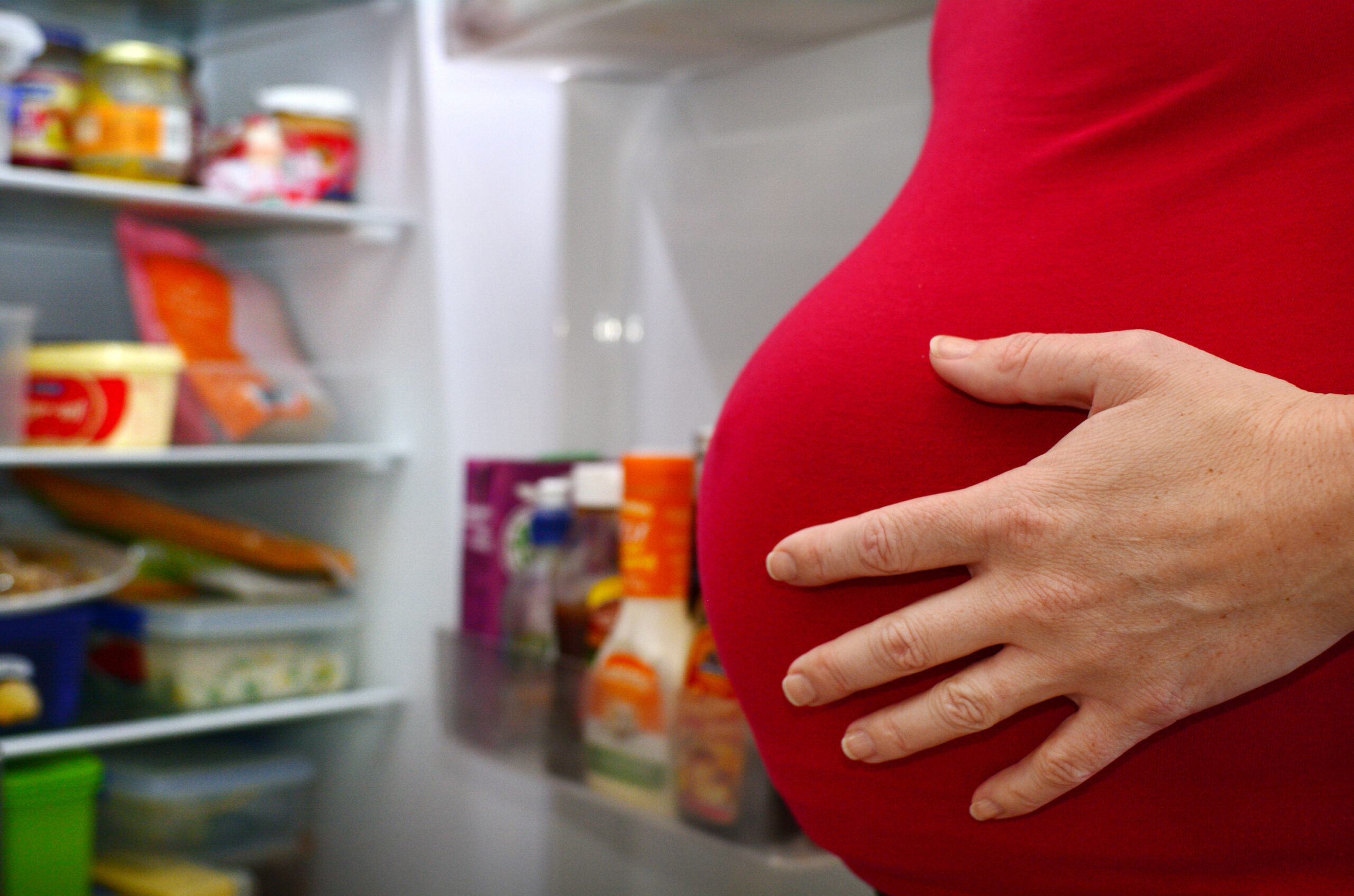
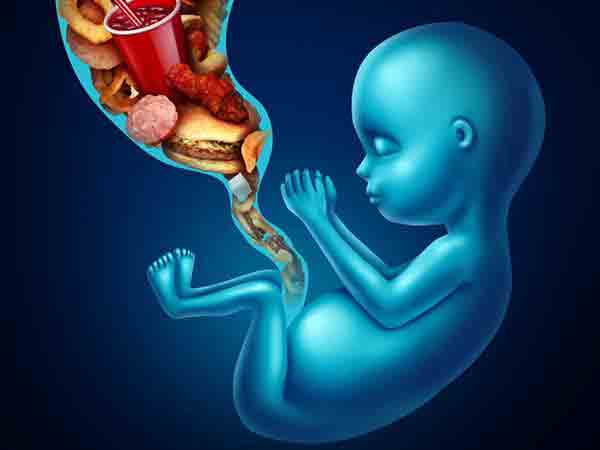
The growing presence of ultra-processed foods (UPFs) in modern diets warrants attention, particularly when considering their effects on health during critical developmental periods such as pregnancy and early childhood. The consumption of these foods poses significant concerns, as it may lead to intergenerational health issues.
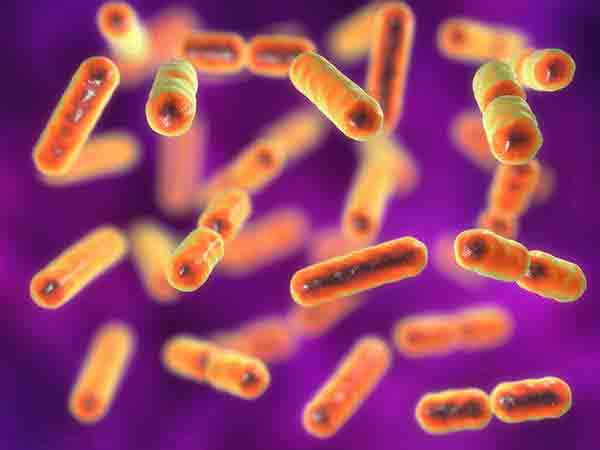
This narrative review delves into the consequences of UPF intake on maternal and child health, emphasizing the repercussions on gut microbiota. Research indicates a strong correlation between unhealthy diets consumption and elevated risks for several health conditions, including obesity, type 2 diabetes, cardiovascular disease, and a heightened risk of all-cause mortality.
During pregnancy, elevated UPF intake corresponds with poorer dietary quality, excessive weight gain, increased inflammation levels, and adverse neonatal outcomes, such as disrupted microbiota transmission and hindered neurodevelopment. In early childhood, the intake of UPFs has been associated with microbiota dysbiosis, obesity, deficiencies in essential micronutrients, and an increase in allergic conditions. Furthermore, maternal dietary patterns significantly shape the early integration of unhealthy diets into children’s diets.
Consequently, UPF consumption during these sensitive life stages represents a modifiable risk factor with extensive health implications. To mitigate long-term health risks and enhance maternal and child health outcomes, there is a pressing need to better understand the interactions between diet, microbiome, and health. [NPID: Ultraprocessed foods, obesity, pregnancy, early childhood, maternal malnutrition]
Year: 2026